Traveling to the Maldives conjures images of overwater bungalows, turquoise lagoons, and endless luxury, yet the perception that the archipelago is exclusively for affluent tourists overlooks practical ways to experience its natural beauty on a modest budget. By understanding the cost drivers—airfare, accommodation, meals, and activities—travelers can plan a trip that stays under $1,000 while still tapping into the deeper allure of pristine beaches, vibrant marine life, and a tranquil island atmosphere.
1. Choose Off‑Season Flights
Airfare accounts for the largest portion of a budget Maldives itinerary. Booking flights during the off‑peak months of May to November, when the monsoon brings occasional showers, can reduce ticket prices by up to 40 %. Use fare comparison tools, set price alerts, and consider multi‑city routing through major hubs such as Doha, Istanbul, or Singapore, where low‑cost carriers often have discounted connections to Malé. Flexibility with travel dates and willingness to endure brief rain spells are the main trade‑offs for significant savings.
2. Fly Into Malé International Airport (Velana)
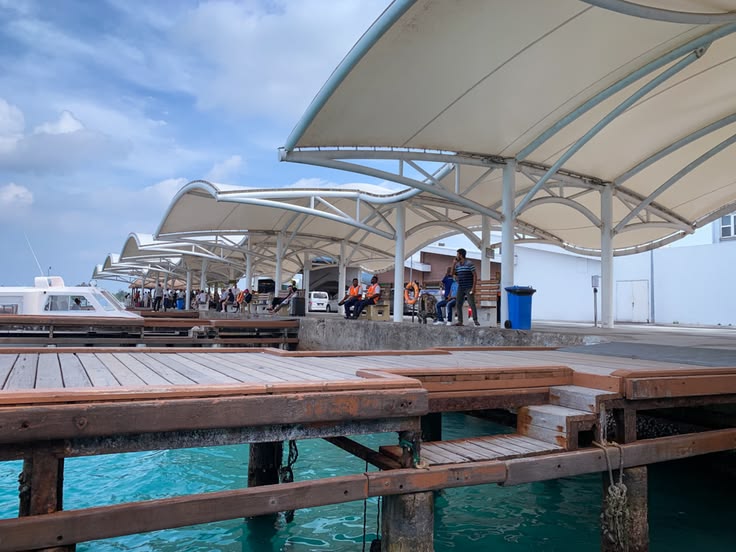
Malé’s single international gateway is the most economical entry point. Direct budget options are limited, but chartering a regional carrier from nearby hubs (e.g., Colombo or Kuala Lumpur) can keep costs low. Once in Malé, avoid expensive private speedboat transfers by using the government‑run ferry system, which connects the capital to many local islands for a nominal fare, often under $5 per person.
3. Stay on Local Guesthouses, Not Resorts
Local guesthouses on inhabited islands like Maafushi, Thoddoo, and Fulidhoo offer rooms ranging from $30‑$70 per night, complete with basic amenities and the chance to interact with island residents. These accommodations provide authentic cultural immersion and give travelers direct access to communal beaches, whereas resort islands typically charge upwards of $200 per night for comparable comfort.
4. Pack Light and Avoid Baggage Fees
Many low‑cost airlines enforce strict weight limits for checked luggage. By traveling with a carry‑on and a compact daypack, you sidestep fees that can add $30‑$70 per bag. Pack lightweight, quick‑dry clothing suitable for warm, humid conditions, and include a reusable water bottle and reef‑safe sunscreen to stay comfortable without extra purchases.
5. Use Public Ferries for Island Hopping
The Maldives operates a schedule of public ferries connecting major atolls. While slower than private speedboats, ferries charge a fraction of the price, typically $2‑$10 per trip. Planning island visits around ferry timetables lets you explore multiple locations—such as the snorkeling hotspot of Rasdhoo or the surf‑friendly waves of Thoddoo—without exceeding the budget.
6. Dine on Local Restaurants and Street Food
Restaurant prices inside resorts can exceed $30 per meal, but local cafés (known as “cafés” or “kiosk‑style” eateries) serve fresh fish, curries, and roshi (flatbread) for $5‑$8. Purchasing fresh fruit from island markets and cooking simple meals in guesthouse kitchens further reduces food expenses while exposing travelers to the culinary traditions that draw many to the islands in the first place.
7. Join Free or Low‑Cost Snorkeling Spots
Many inhabited islands have public beach access points where coral reefs lie just meters from shore, offering excellent snorkeling without rental fees. Bring your own mask and snorkel (or borrow from fellow travelers) and explore underwater ecosystems teeming with clownfish, turtles, and macro‑critters. For a modest $10‑$15, certain guesthouses provide equipment, still far cheaper than resort dive packages.
8. Participate in Community‑Run Activities
Local NGOs and community groups often organize guided tours—such as night fishing, cultural performances, or beach clean‑ups—at little to no cost. These experiences deepen understanding of island life, environment stewardship, and the sustainable tourism ethos that fuels the Maldives’ growing appeal among eco‑conscious travelers.
9. Leverage Travel Rewards and Airline Miles
If you collect points through credit cards or frequent‑flyer programs, redeeming them for Malé flights can eliminate the biggest expense. Even partial redemptions, combined with the off‑season price drops, can bring round‑trip fares well below $400. Staying aware of promotional offers and booking during sales seasons maximizes the benefit of any accumulated rewards.
10. Limit Souvenir Spending
The temptation to purchase handcrafted items—such as lacquer wood, woven mats, or shell jewelry—can quickly inflate a budget. Instead, allocate a modest $20‑$30 for a single meaningful piece, and focus on intangible souvenirs like photographs, personal notes, or the memory of a sunset over a lagoon, which hold more lasting value than material goods.
11. Travel with a Small Group
Sharing accommodation costs, ferry tickets, and food expenses among two or three companions reduces per‑person outlays. Group travel also encourages collective decision‑making about activities, making it easier to prioritize low‑cost options and avoid impulse spending that can push the total beyond the $1k threshold.
12. Embrace Minimalist Itineraries
Rather than attempting to hop across every atoll, concentrate on one or two islands where you can fully experience the marine environment, local culture, and relaxed lifestyle. A focused itinerary reduces transportation fees, allows for deeper engagement with the destination, and reinforces the underlying fascination many have with the Maldives—a desire to disconnect from hectic schedules and immerse oneself in natural serenity.