Travel dreams are often painted in vivid colors: crystal‑clear waters, untouched wilderness, and seamless cultural immersion. Yet, behind the glossy marketing can lie a starkly different reality. This list explores a dozen iconic destinations that failed to live up to their lofty promises, offering a grounded perspective for anyone plotting their next adventure.
1. Santorini, Greece
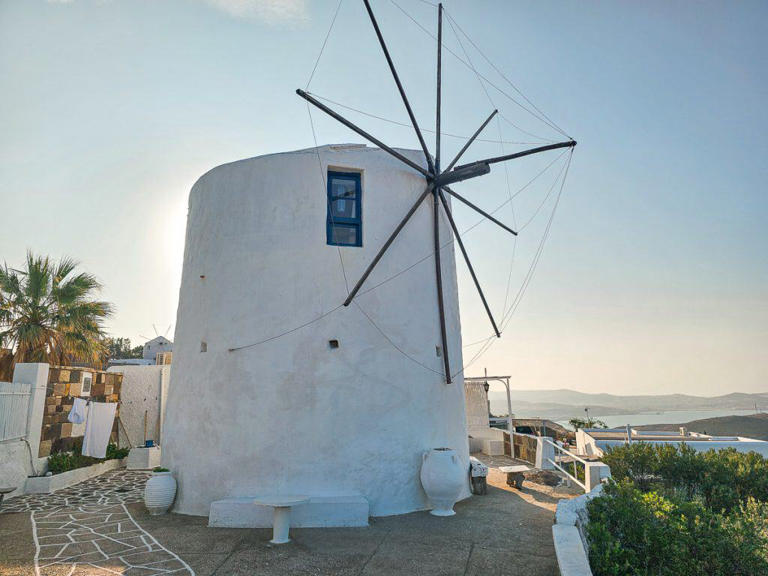
The iconic white‑washed cliffs and sapphire seas of Santorini appear on postcards worldwide, but the island now grapples with relentless over‑tourism. Narrow streets are choked with crowds, and the famed sunset viewpoints are often obstructed by selfie sticks. Accommodation prices have surged dramatically, while many traditional tavernas have been replaced by overpriced tourist traps that serve generic Mediterranean fare rather than authentic Greek cuisine.
2. Bali, Indonesia
Bali is billed as a paradise of lush rice terraces and spiritual retreats. In reality, the island’s southern coast suffers from traffic snarls, noisy beachfront bars, and a noticeable decline in water quality due to unchecked development. While the cultural heart of Ubud retains its charm, the surge of digital nomads has inflated rent prices, pushing local artisans out of the neighborhoods they once called home.
3. The Maldives
White‑sand atolls and overwater bungalows suggest an exclusive escape, yet many resorts rely on imported goods, rendering the experience surprisingly disconnected from the local culture. The pristine marine life is increasingly threatened by coral bleaching, and budget travelers quickly discover that even a basic stay can rival the cost of a luxury hotel elsewhere, making the promise of affordability misleading.
4. Machu Picchu, Peru
The allure of an ancient Incan citadel high in the Andes draws countless trekkers, but the site now feels commercialized. Mandatory permits limit access during peak season, while the influx of vendors along the Inca Trail dilutes the sense of solitude. Moreover, the surrounding town of Aguas Calientes can feel cramped, with limited dining options that cater more to tourists than to the region’s culinary heritage.
5. Dubrovnik, Croatia
Famed as the “Pearl of the Adriatic,” Dubrovnik’s medieval walls appear straight out of a fairy tale. However, the swarms of cruise ship passengers and the proliferation of souvenir shops have turned the historic Old Town into a bustling marketplace. The promised tranquil seaside strolls are often replaced by congested streets and long waits for ferry services.
6. Reykjavik, Iceland
Iceland’s capital is marketed as a gateway to untamed landscapes, yet the city itself can feel overly polished. The high cost of accommodation and meals can deter budget travelers, while the famed Northern Lights are notoriously fickle—cloud cover and solar activity frequently turn nights into ordinary darkness, disappointing those who booked solely for the aurora.
7. Kyoto, Japan
Kyoto’s centuries‑old temples and zen gardens suggest timeless serenity. The reality, especially during cherry‑ blossom season, is a deluge of tourists that swells the city’s narrow lanes. Reservations at traditional ryokans are hard to secure, and many temples now charge entrance fees that feel steep compared to the brief viewing time allotted.
8. New Zealand’s South Island
Adventure seekers flock to the South Island for its dramatic fjords and rugged mountains. While the scenery remains spectacular, the region’s infrastructure struggles to keep pace with demand. Booking a holiday home often requires months of advance planning, and the limited public transport options mean renting a car is practically mandatory—adding unexpected expense to the itinerary.
9. Petra, Jordan
The “Rose City” promises awe‑inspiring stone facades carved into cliffs. Yet, the entry fee is steep, and the path to the Treasury involves a strenuous climb that can be arduous for older travelers. Once inside, many find the surrounding visitor center crowd‑controlled, with vendors offering mass‑produced souvenirs that detract from the site’s historic gravitas.
10. The Great Barrier Reef, Australia
Long advertised as a vibrant underwater wonderland, large portions of the reef have suffered from coral bleaching and ocean acidification. Snorkeling tours frequently visit degraded sections, leading to disappointing visibility and a muted marine palette. Moreover, the cost of reputable eco‑tour operators remains high, making budget-friendly options scarce.
11. Venice, Italy
Venice’s labyrinth of canals and centuries‑old architecture evoke romance, yet rising sea levels and overtourism have turned much of the city into a congested maze of water taxis and souvenir stalls. Flooding (“acqua alta”) often disrupts travel plans, and many historic inns have been converted into boutique hotels that command premium rates far above the city’s average.
12. The Seychelles
The Indian Ocean archipelago is sold as an untouched exotic escape. In practice, many of the most picturesque beaches are reserved for private resorts, leaving public access limited. The islands’ reliance on imported goods drives up food prices, and the promised “secluded” experience is often compromised by organized day cruises that fill the waters with motorboats.