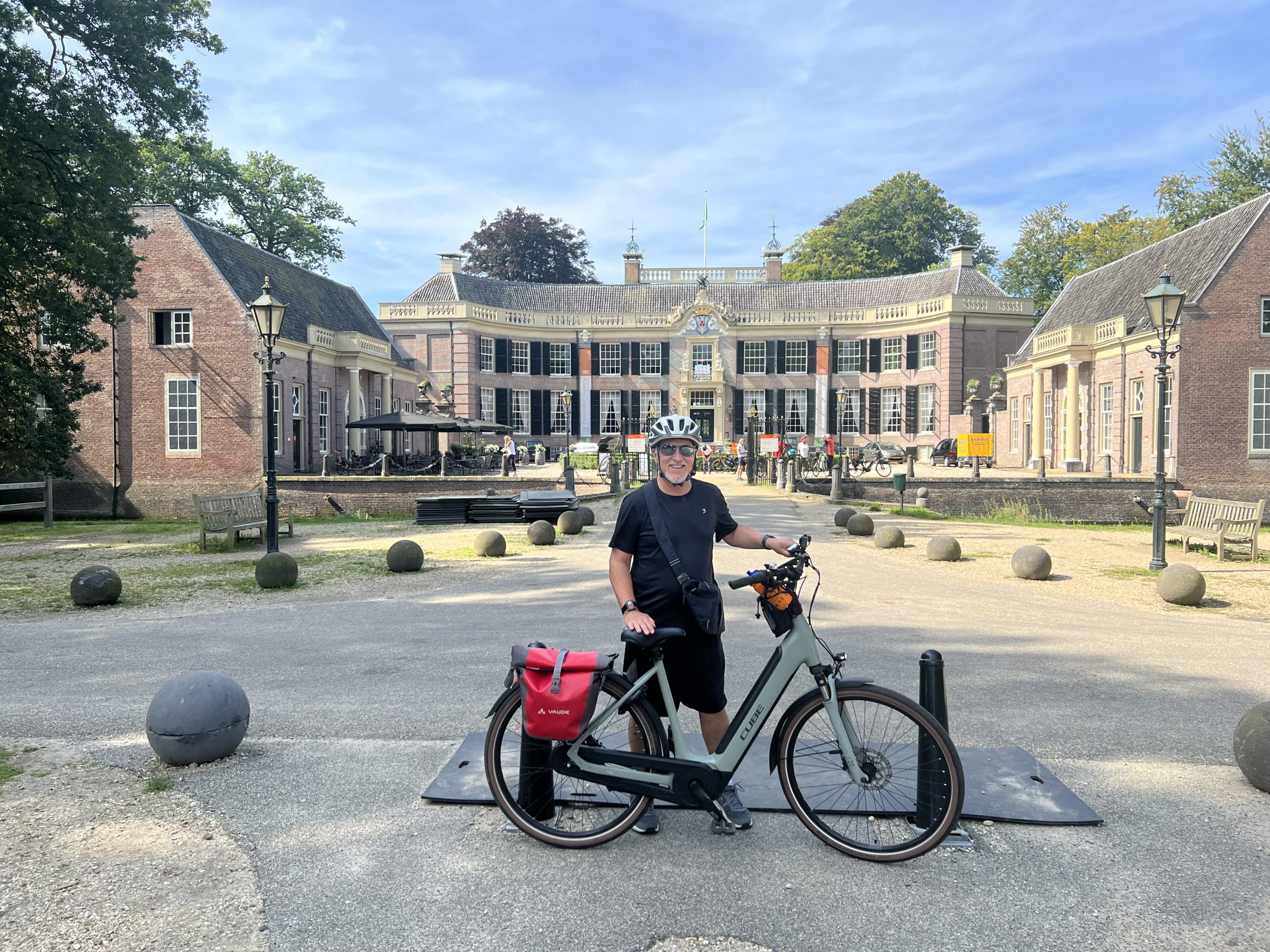
Ready to pedal through tulip fields, historic windmills, and charming Dutch towns? The Netherlands is one of the most bike‑friendly countries on Earth, but navigating its extensive network of routes can still feel like a grand adventure. Below is the ultimate bike tour guide that walks you through essential planning steps, route highlights, and practical tips. Can you rise to the challenge of completing the iconic 100‑kilometer coastal loop without a single break? Let’s find out.
1. Choose Your Riding Style and Terrain
Begin by identifying whether you prefer flat, scenic canals, rolling dunes, or challenging hillier routes in the Limburg region. The Dutch landscape is predominantly low‑lying, but each area offers a distinct vibe: urban bike lanes in Amsterdam, quiet country roads in the Bollenstreek, and breezy coastal tracks along the North Sea. Matching your skill level to the terrain ensures comfort and safety throughout the tour.
2. Map Out Core Routes with the National Cycle Network
The Netherlands’ national cycle network, known as the LF‑routes, consists of over 35 numbered long‑distance paths. Popular choices include LF1 (North Sea Cycle Route) and LF7 (Merwede Route). Use the official Cycling.nl map to download GPX files, print detailed route sheets, and note any detours or construction zones that may affect your ride.
3. Secure a Reliable Rental Bike or Bring Your Own
If you’re travelling light, renting a bike from a local shop is often the simplest option. Look for “fietsverhuur” stations that offer multi‑speed road bikes, electric assist models, or classic Dutch city bikes. Verify that the rental includes a sturdy lock, a front and rear light, and a maintenance kit. For long‑term cyclists, shipping your own bike can be cost‑effective and ensures familiarity with the equipment.
4. Pack Essential Gear for All Weather
Dutch weather shifts quickly from sunny to rainy, so pack a breathable waterproof jacket, padded shorts, and a compact rain cover for your saddle bag. A high‑visibility vest and a helmet with built‑in lights are mandatory for safety. Additionally, bring a portable phone charger, a basic first‑aid kit, and a reusable water bottle to stay hydrated on longer stretches.
5. Plan Accommodations Along the Way
From cozy bed‑and‑breakfasts in historic villages to modern hostels in larger cities, the Netherlands offers a range of cyclist‑friendly lodging. Websites like Camping.nl list campsites with bike storage, while platforms such as Airbnb often indicate whether hosts provide secure bike parking. Book at least a week in advance during peak tulip season (April‑May) to guarantee availability.
6. Explore Iconic Stops: Windmills, Tulip Fields, and UNESCO Sites
Incorporate must‑see attractions into your route. The UNESCO‑listed Kinderdijk windmills, the vibrant Keukenhof gardens, and the historic Delft pottery workshops provide cultural depth beyond the ride itself. Many of these sites have dedicated bike parking zones and visitor centers with multilingual maps, making them easy to integrate into a day’s itinerary.
7. Navigate Dutch Cycling Etiquette
Respect local customs: stay in the designated bike lane, signal turns with hand gestures, and give way to pedestrians on shared paths. Dutch cyclists follow a “right‑hand traffic” rule, meaning you should keep to the right side of the lane unless overtaking. Maintaining a steady pace and avoiding unnecessary horn use keeps the flow smooth for everyone.
8. Use Public Transport to Extend Your Range
When faced with long distances or inclement weather, the Dutch rail system permits bikes on board for a modest surcharge (often €6 per day). Regional buses and trams also allow bicycles, though space may be limited during rush hour. Planning a combined bike‑train itinerary can help you reach distant towns like Groningen without exhausting yourself.
9. Keep an Eye on Road Signage and Navigation Apps
While the LF‑routes are well‑marked with blue and white signs, occasional detours require the use of GPS. Apps such as Komoot, Strava, and the Dutch government’s “Fietsviewer” provide real‑time updates on trail conditions and alternative paths. Set your device to “offline mode” in case of weak cellular coverage in rural areas.
10. Sample Local Cuisine on the Move
Refuel with Dutch staples that are cyclist‑friendly: fresh stroopwafels, cheese croissants, and hearty pea soup (erwtensoep) in cooler months. Many service stations and cafés offer “fietsmeniu” specials, which include a sandwich, fruit, and a drink at a reduced price. Pair your snack with a locally brewed craft beer or a glass of Dutch gin for an authentic taste.
11. Prepare for the 100‑Kilometer Coastal Challenge
The ultimate test is the North Sea Loop (LF1) from Scheveningen to Den Helder, covering roughly 100 kilometers of coastal scenery, dunes, and historic forts. To meet this challenge, schedule an early start, carry extra nutrition bars, and plan a mid‑point rest in the town of Haarlem. Completing the loop without a single stop is ambitious, but a well‑planned pit stop can make the distance feel manageable.
12. Stay Safe with Emergency Contacts and Insurance
Register your itinerary with a travel insurance provider that covers cycling accidents and bike theft. Keep a list of emergency numbers: 112 for immediate assistance, the local police (Politie) for bike theft reports, and the nearest hospital’s contact details. Many Dutch towns have “fietspleinen” (bike squares) where you can safely lock your bike while you attend to any unforeseen situations.
13. Celebrate Your Journey with a Souvenir Ride
After completing your tour, consider a short celebratory ride through a nearby park or along a riverbank to soak in the final moments. Pick up a souvenir—such as a handcrafted wooden bike bell or a framed map of your route—from a local shop. This token not only commemorates your adventure but also serves as a conversation starter for future trips.