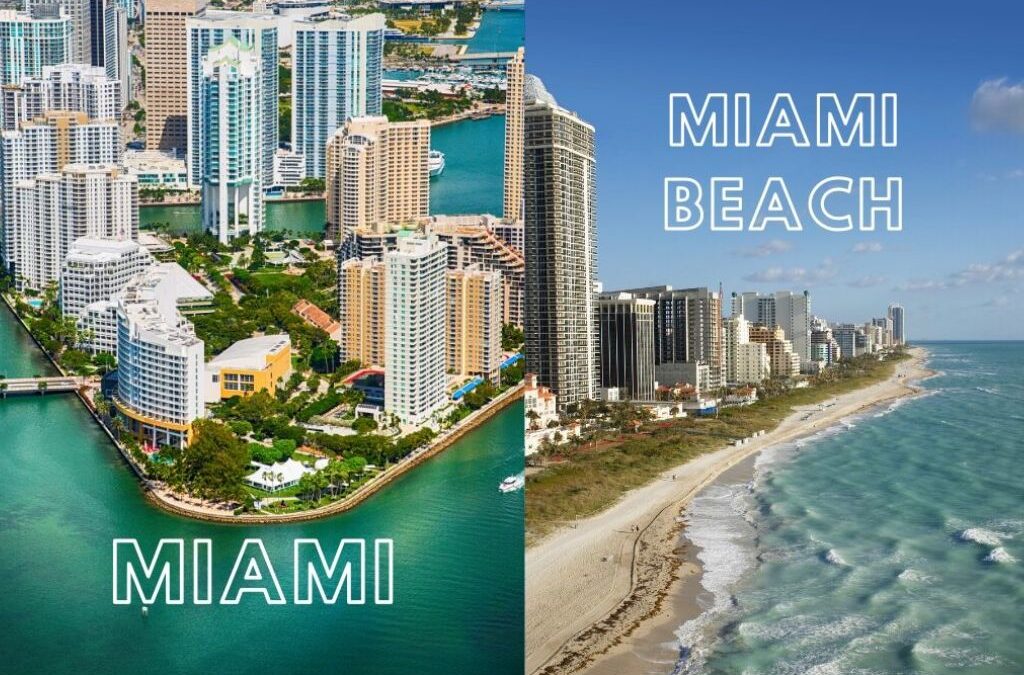
When travelers compare Miami and Los Angeles, the conversation often narrows to their iconic shorelines. Both cities boast world‑renowned beaches, yet each offers a distinct blend of climate, culture, and activity that shapes visitors’ experiences. This listicle dissects the most common observations—sun, sand, and surf—and uncovers the deeper factors that drive the enduring fascination with each coastal destination.
1. Climate Consistency
Miami’s subtropical climate delivers warm temperatures and high humidity year‑round, with average highs ranging from 78°F in winter to 90°F in summer. Los Angeles enjoys a Mediterranean climate, offering milder days (65‑80°F) and lower humidity. The steadier heat in Miami appeals to sun‑seekers who prioritize beach time without seasonal interruptions, while LA’s temperate weather attracts visitors who prefer comfortable evenings and occasional cool breezes.
2. Beach Aesthetics
South Beach (Ocean Drive, Miami Beach, FL 33139) features powder‑fine, white sand framed by vibrant Art Deco buildings, creating a lively visual backdrop. Santa Monica Beach (Santa Monica Pier, Santa Monica, CA 90401) presents a wider, coarser shoreline backed by a historic pier and a backdrop of the Pacific’s rolling hills. The visual contrast reflects Miami’s tropical glamour versus LA’s laid‑back, West‑coast vibe, influencing photographers and Instagrammers alike.
3. Water Temperature
Atlantic waters at Miami average 78°F in winter and rise to 84°F in summer, making the sea comfortably swimmable year‑round. Pacific waters off Los Angeles hover around 60‑68°F, often requiring wetsuits for extended activity. Warmer water in Miami encourages spontaneous swims, whereas LA’s cooler surf draws a more dedicated surfing community.
4. Wave Conditions
South Beach experiences modest, rolling waves, ideal for paddleboarding, kayaking, and casual surfing. In contrast, Venice Beach (Venice, CA 90291) and neighboring Malibu offer consistent, larger swells that attract professional surfers and surf schools. The disparity highlights Miami’s focus on water‑based recreation versus LA’s reputation as a surf capital.
5. Nightlife Proximity
Miami’s beachfront nightlife spills directly onto the sand; clubs like LIV at the Fontainebleau (4441 Collins Ave, Miami Beach, FL 33140) host open‑air events that blend music, dancing, and ocean views. Los Angeles’ beach parties tend to migrate to nearby bars and rooftop venues, with nightlife more dispersed across neighborhoods like West Hollywood. This concentration in Miami fuels a perception of non‑stop party culture.
6. Cultural Diversity
Miami’s Caribbean and Latin American influences shape its beachside cuisine, language, and festivals—think Cuban cafés on Ocean Drive and the annual Art Basel pop‑up beach installations. LA’s beach scene reflects a blend of Asian, Mexican, and Hollywood influences, evident in food trucks serving Korean BBQ tacos and frequent celebrity sightings. The cultural layers add depth to each beach’s social fabric.
7. Accessibility & Transportation
South Beach is highly walkable, with a robust public‑transit network including the Metromover and bus routes that connect directly to the downtown core. Santa Monica benefits from the Metro Expo Line, providing a direct rail link from downtown LA, yet parking can be scarce and expensive. Mobility options shape visitor convenience and affect overall satisfaction.
8. Environmental Concerns
Both coasts confront erosion, but Miami faces rising sea levels and frequent tropical storms that threaten beachfront property, leading to extensive dune restoration projects. Los Angeles battles ocean‑acidification and occasional winter storms that stir up debris. Awareness of these challenges influences responsible tourism and local policy discussions.
9. Family‑Friendly Amenities
Miami’s Lummus Park (Ocean Drive, Miami Beach, FL 33139) offers playgrounds, volleyball courts, and shaded pathways suitable for families. Santa Monica’s Pacific Park (200 Santa Monica Pier, Santa Monica, CA 90401) features a historic carousel and an amusement‑park atmosphere that appeals to children. The differing amenity mixes cater to varied family priorities.
10. Economic Impact
Tourism revenue from South Beach contributes over $15 billion annually to Miami‑Dade County, driven by high‑end hotels, nightlife, and international visitors. Los Angeles’ beach tourism generates roughly $7 billion, heavily supported by domestic travelers and film‑industry events. The economic weight underscores Miami’s reliance on beach tourism as a primary economic engine.
11. Iconic Landmarks
The historic Art Deco District, the lifeguard towers, and the “End of the Ocean” sign provide Miami with instantly recognizable symbols. Los Angeles counters with the Santa Monica Pier, the Muscle Beach gymnastics area, and the neon “Venice Beach” sign. These landmarks not only attract tourists but also shape each city’s brand identity.
12. Overall Vibe
Miami’s beach scene radiates high‑energy, seasonal festivity, and a continuous party atmosphere that appeals to those seeking immediate gratification. Los Angeles offers a more relaxed, eclectic atmosphere where creative expression, wellness, and surf culture intertwine. The underlying reason for each city’s allure lies in how these subtleties align with visitors’ personal lifestyles and aspirations.