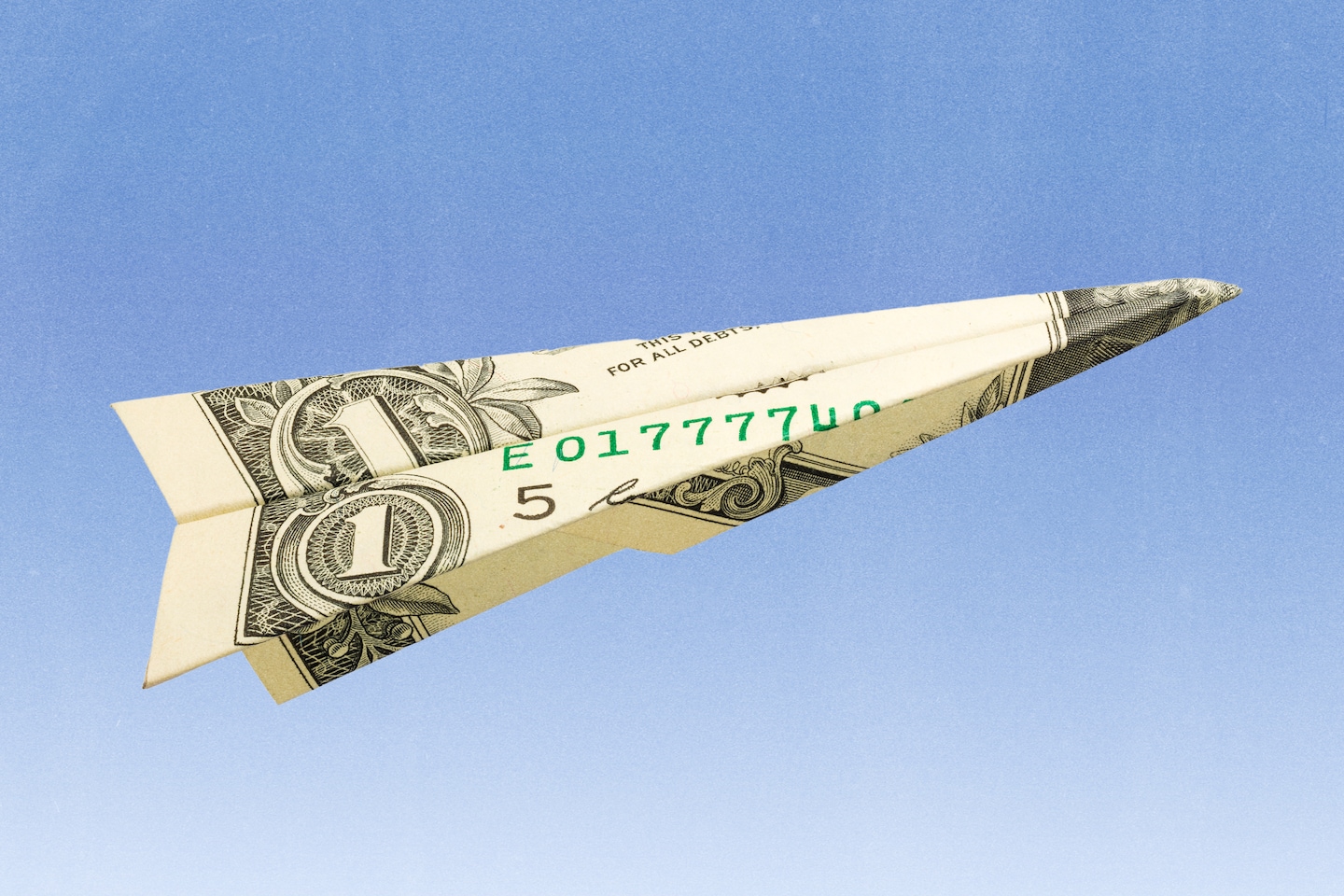
Scoring a flight for just five dollars sounds like a marketing gimmick, but it’s a reality for the savvy traveler who knows where to look, when to act, and how to leverage every available tool. Below is a step‑by‑step guide that reveals the specific tactics, timing tricks, and mindset shifts that made a $5 ticket possible. Follow each step and you’ll discover a new perspective on airline pricing – one that turns ordinary searches into high‑value opportunities.
1. Embrace the “error fare” mindset
Airlines occasionally publish fares that are dramatically lower than intended due to technical glitches or human error. Instead of dismissing these as mistakes, treat them as legitimate opportunities. Sign up for error‑fare alert services, enable real‑time notifications, and be prepared to book within minutes before the fare disappears.
2. Use flexible date and airport tools
Most flight search engines allow you to explore a range of dates and nearby airports. By expanding your search window to ±3 days and adding secondary airports within a 50‑mile radius, you increase the pool of low‑priced options. The $5 ticket often appears on a less‑popular departure day or out of a smaller hub that the airline wants to fill.
3. Join airline loyalty programs ahead of time
Even if you never intend to earn miles, many carriers provide members‑only promotions, including ultra‑low fare alerts. Enrollment is free and instant, and the occasional “members only” flash sale can drop a route to single‑digit dollars. Keep your profile updated with accurate travel preferences to receive the most relevant offers.
4. Exploit hidden city ticketing
When a flight from City A to City C via City B costs less than a direct City A‑to‑City B flight, you can purchase the longer itinerary and simply disembark at the layover. This technique, known as hidden city ticketing, is legal in most jurisdictions but may violate airline policies, so use it sparingly and avoid checked luggage.
5. Leverage “price drop” guarantees
Some booking platforms guarantee a refund of the price difference if the fare drops after purchase. By booking a slightly higher fare and triggering the guarantee, you effectively lock in an ultra‑low price and later receive a refund that can bring the net cost down to five dollars or less.
6. Monitor “fare calendar” features nightly
Airlines and third‑party sites often display a fare calendar that highlights the cheapest days to fly on a given route. By checking these calendars each evening, you can spot sudden dips to $5 that appear for a limited window, usually due to low demand or a last‑minute seat release.
7. Combine discount codes with flash sales
Occasionally, airlines release promotional codes for newsletters, social media followers, or partnership campaigns. When a flash sale coincides with a valid discount code, the combined savings can push a fare into the five‑dollar range. Keep a spreadsheet of active codes and apply them before checkout.
8. Use incognito mode or clear cookies
Search engines may inflate prices based on your browsing history. By opening a private window or clearing cookies before each search, you ensure the displayed fare reflects the airline’s base pricing, not a markup derived from perceived interest.
9. Book “open‑jaw” itineraries strategically
An open‑jaw ticket lets you fly into one city and depart from another, often with a separate ground‑travel segment in between. When the inbound and outbound legs are priced independently, you can sometimes capture a $5 fare on one leg while paying a normal price on the other, effectively reducing the total cost dramatically.
10. Capitalize on last‑minute seat releases
Airlines frequently release unsold seats a few hours before departure at heavily discounted rates to avoid empty cabins. Set up mobile alerts for the routes you’re interested in, and be ready to purchase the ticket the moment the release occurs. The urgency often translates into single‑digit prices.
11. Follow airline “beta” pricing experiments
Some carriers test new pricing algorithms on a small subset of users. By following airline blogs, developer forums, or beta‑testing newsletters, you can learn when and where these experiments roll out. Participants sometimes receive experimental fares that are significantly lower than the standard market rate.
12. Stack airline credit card offers
Many airline‑branded credit cards issue sign‑up bonuses that can be applied as statement credits toward flight purchases. By applying a $50 bonus toward a $55 ticket, the out‑of‑pocket expense becomes $5. Ensure the bonus is still valid and that the purchase qualifies for the credit before finalizing the booking.