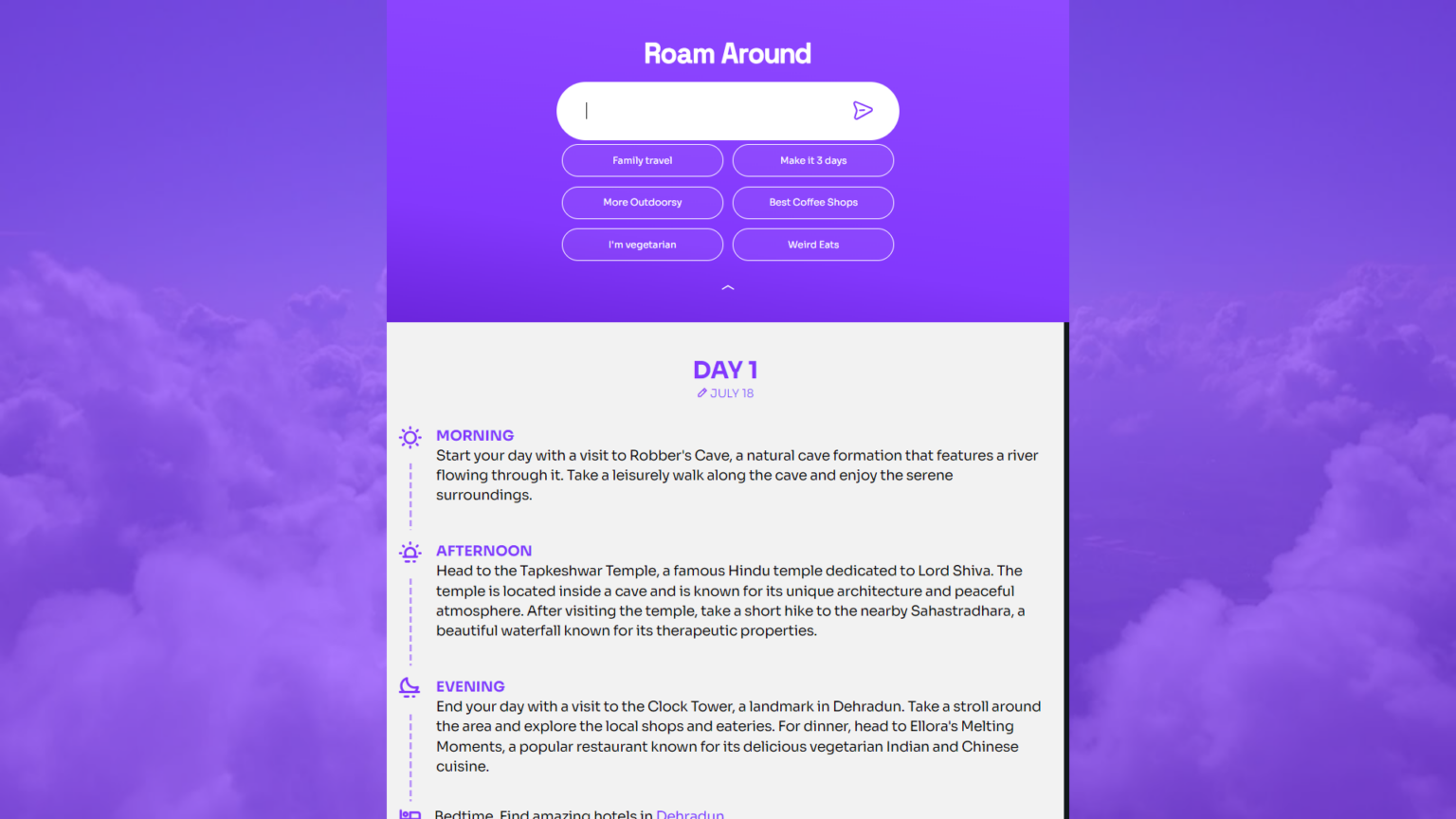
Imagine crafting an itinerary that doesn’t just sit static on your device but breathes, evolves, and adapts based on real-time weather conditions. No more abandoning a picnic due to unexpected drizzle or wandering aimlessly during a heatwave. An AI itinerary that updates automatically with weather forecasts can transform your travel planning into a dynamic, stress-free experience. Dive in to explore the nuts and bolts of creating such an intelligent travel companion that meshes technology, meteorology, and your thirst for adventure.
Understanding the Foundations: What Makes an AI Itinerary “Smart”?
At its core, a smart AI itinerary is a living document—fluid and adaptive. Unlike static itineraries, it integrates live data streams, primarily weather updates, and recalibrates plans accordingly. Imagine this as your travel oracle, continuously recalculating risk, opportunity, and timing based on atmospheric whims. This requires connecting an itinerary planner with robust APIs that supply granular weather forecasts on an hourly basis or even shorter intervals. The AI logic then interprets this data, applying predefined preferences and constraints, to shuffle activities, suggest alternatives, or even re-route entire days. It is this interplay between data ingestion, predictive analytics, and user-centric design that distinguishes an AI itinerary from mere to-do lists.
Choosing the Right Tools: Platforms and APIs for Real-time Weather Data
Weather data is the lifeblood of an automated itinerary. Providers differ dramatically in precision, update frequency, location granularity, and forecast horizon. Dark Sky, OpenWeatherMap, and Weatherbit stand out as popular choices, each excelling in different niches—hyperlocal forecasts, global reach, or extensive weather parameters respectively. When selecting a platform, consider data reliability, API access limitations, and update latency. This step requires both technical acumen and pragmatic foresight, because the quality of your itinerary’s adaptability hinges on the freshness and accuracy of incoming weather intelligence.
Integration platforms like Google Sheets combined with Google Apps Script or no-code tools such as Zapier or Integromat can bridge the gap between raw weather data and your itinerary interface. For travelers less inclined toward coding, these tools provide a playground to manipulate data flows and automate updates without deep programming expertise.
Constructing the Backbone: Structuring Your Itinerary for Dynamic Updates
An itinerary with weather-driven flexibility must be architected thoughtfully. Activities need to be tagged with metadata indicating their weather sensitivity. For example, outdoor hiking or sightseeing tours are weather-dependent and should have alternative indoor plans nested within the framework. Assigning conditional logic—“if rain forecast exceeds 30%, swap outdoor hike for museum visit”—gives the AI meaningful decision latitude.
Furthermore, temporal buffers are critical. The design should accommodate shifting start times or rescheduling segments on the fly, preventing cascading disruptions. The AI must juggle dependencies without sacrificing coherence; your thoughtfully planned day should remain seamless, even as steps morph underneath your feet. This demands a layered structure where core activities, backup options, and priorities coexist elegantly.
Embedding Intelligent Algorithms: Decision-making Based on Weather Patterns
Raw weather data is meaningless without interpretation. This is where intelligent algorithms take center stage. Pattern recognition models can detect not just immediate conditions, but emerging trends—approaching storms, prolonged heat spells, or temperature dips. By interpreting these signals, the AI predicts optimal time slots for various activities, fine-tuning recommendations for comfort, safety, and enjoyment.
Moreover, machine learning models can refine these predictions based on user feedback and historical data—understanding, for instance, your tolerance for humidity or proclivity for avoiding crowded indoor venues on rainy days. The itinerary becomes not just automatic, but increasingly personalized. Algorithms can employ weighting systems to evaluate trade-offs between weather constraints and user preferences, balancing practicality with spontaneity.
Designing Content Types: What Readers Can Expect in a Weather-Adaptive Itinerary
The content generated by such an AI itinerary will be multifaceted and layered. Expect detailed timelines annotated with probability scores—“60% chance of light showers at 3 PM” heralds contingency plans. Interactive maps highlight changing routes, suggesting alternative paths avoiding flooded streets or sunken parks after heavy rain.
Visual cues become indispensable. Weather icons, dynamic temperature graphs, and image carousels of suggested activities under various weather scenarios enrich the experience. Textual descriptions anticipate and advise—“Pack a light raincoat for the afternoon safari, but keep your sunglasses handy for the late afternoon cultural walk.”
Beyond mere plans, expect embedded tips for weather readiness, gear checklists, and even adaptive packing suggestions. Itineraries morph from lists into travel coaches, imparting wisdom and pragmatic advice in harmony with meteorological realities.

Handling Uncertainties: Balancing Fixed Reservations and Flexibility
Travel is an orchestra of fixed and fluid elements. While AI can guide you around unpredictable weather, locked-in reservations for hotels, tours, or transport may impose rigid boundaries. The itinerary’s intelligence lies in negotiating these constraints—flagging critical bookings early for weather contingencies or recommending refundable options for weather-sensitive activities.
Embedding these considerations into the plan means the AI not only reacts to weather but anticipates the administrative repercussions, reducing last-minute frustrations. It might suggest rescheduling non-refundable tours for early days when forecasts are clearer, preserving flexibility later. In this dance with uncertainty, the AI itinerary becomes a strategic planner that respects both spontaneity and structure.
Deploying the Itinerary: Formats and Accessibility for Travelers on the Move
The mode of delivery influences usability. Smartphone-friendly formats, such as progressive web apps or responsive PDFs, ensure travelers have instant access regardless of connectivity. Offline caching mechanisms are valuable in remote locales where digital signals falter.
Push notifications and real-time alerts can prompt users to revise plans dynamically—“Rain beginning in 30 minutes; indoor activity suggested.” Incorporating voice integration through smart assistants extends hands-free access, facilitating on-the-go adjustments.
Accessibility also means multilayered content presentation: concise summaries for quick scans and expanded details for deep dives. This respect for diverse informational appetites transforms a simple itinerary into a reliable travel ally.
Future Horizons: Expanding Beyond Weather for a Holistic Trip Planner
The promise of AI-driven itineraries doesn’t stop at weather. Incorporating data on crowd densities, local events, transportation delays, and even personalized health metrics can elevate planning to untold sophistication. Imagine an itinerary that reroutes around peak tourist congestion, nudges you toward less saturated dining spots, or recommends hydration breaks based on your biometric feedback and the external climate.
This grand vision marries data streams in real time, interacting synergistically to deliver not just an itinerary, but an anticipatory, living guide that continually learns, adapts, and enhances the travel experience.
In crafting such an AI itinerary, travelers unlock a new dimension of freedom. No longer prisoners of unpredictable weather or rigid schedules, they navigate the dance of nature and time with agility and insight. The future of travel planning is not static; it’s a dynamic symphony orchestrated by intelligent machines attuned to the whims of the skies and the desires of the wanderer.