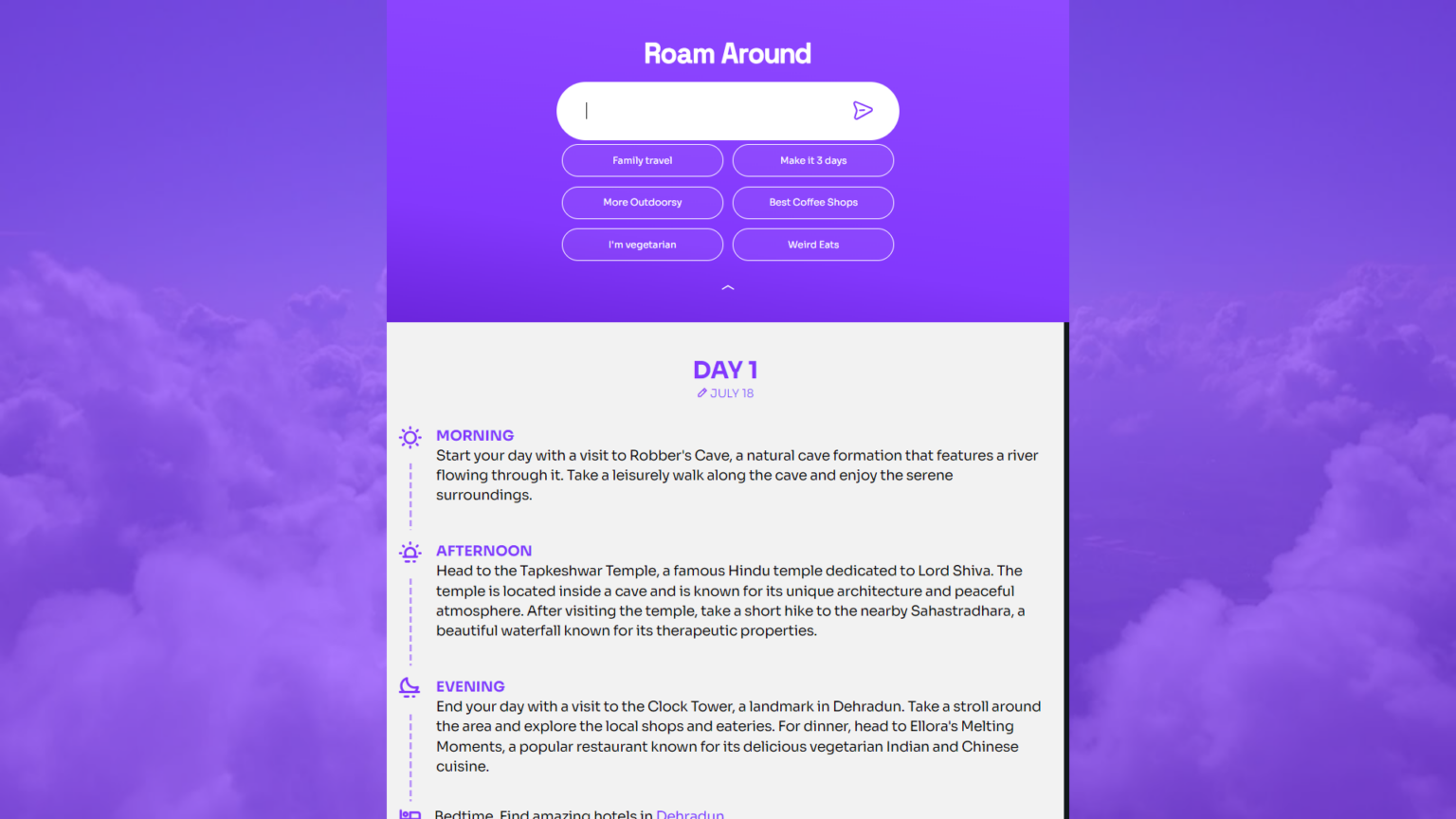
In a world where every corner of the globe seems perpetually crowded, the very notion of exploring a popular attraction in serene solitude borders on mythical. But what if artificial intelligence could whisper secrets of the quietest moments, guiding you to slip through time and space when the masses disperse? This isn’t just the future of travel; it’s a radical realignment of how we navigate public spaces, promising not just convenience but a transformed experience of place and presence.
The Era of Intelligent Crowd Avoidance
Traditional travel advice is plastered with generic “best time” tips, often reducing complex patterns into simplistic peak and off-peak brackets. AI shatters these superficial boundaries, sifting through multi-dimensional data streams—historical visitor flows, weather fluctuations, local events, and even social media chatter—to craft a nuanced, ever-evolving portrait of crowd dynamics. What emerges is not a one-size-fits-all schedule but a personalized oracle, calibrated to your preferences and rhythms.

Imagine arriving at a city library, not amidst a cacophony of tourists, but in the hush of a hidden lull — that’s the promise AI carries within its computations.
Decoding Visitor Patterns: The Backbone of Recommendations
At the heart of AI’s predictive prowess lies the meticulous decoding of visitor patterns. These are no mere footfall counts; think of them as the pulse of a living organism. Temporal granularity matters—intra-hour fluctuations can reveal surges sparked by a popular guided tour or the aftermath of a school group’s departure. Layer in spatial data, and one discerns the ebb and flow within different sections of an attraction. This granular, almost microscopic understanding enables AI to pinpoint genuine off-peak windows where tranquility reigns.
Personalization: Beyond the Crowd, Into Individual Preferences
The genius of AI recommendation systems lies in transcending the collective to spotlight the singular. Some travelers crave the golden hour light for photography, while others seek to avoid all human contact altogether. Input variables like preferred visiting duration, mobility constraints, and even mood can recalibrate the AI’s lens. This bespoke guidance means your schedule respects *you* rather than some aggregated mass behavior. It’s the difference between wandering aimlessly through throngs and stepping lightly where space and silence align with your desires.
Leveraging Real-Time Data: The Fluidity of Crowd Movements
Crowds are mercurial, shaped not just by timetables but by unpredictable forces: a sudden rainstorm disperses groups; a flash mob materializes; a delayed train sends ripples through arrival times. AI systems harness live inputs—sensor feeds, mobile device anonymized locations, and social platform updates—to recalibrate recommendations on the fly. This dynamic adaptability offers travelers a veritable time machine, rewriting their itinerary in real time to seize off-peak moments that human intuition might never catch.
The Symbiotic Relationship Between AI and Users
For AI to excel in crowd avoidance, it thrives on user feedback streams. Selecting recommended time slots, modifying plans on the go, and reporting on actual crowd densities twine human experience back into machine learning loops. This iterative feedback sharpens predictive accuracy, revealing subtle shifts and emerging trends. The traveler becomes a crucial collaborator, whose decisions not only reap personal benefit but refine the system for future wayfarers.
Ethical Dimensions: Navigating the Quiet Without Exclusion
While bypassing crowds sounds idyllic, it prompts a reflection on equitable access. Over-optimization might funnel too many visitors into once-quiet intervals, paradoxically manufacturing new peak situations. AI designers must balance recommendation algorithms to diffuse visitor density rather than merely redistribute it. Transparency about data sources and respecting privacy in data collection underscore the ethical scaffolding necessary for trust and long-term viability.
Beyond Popular Attractions: Expanding the Horizon
Why limit this technology to the famous landmarks cloaked in crowds? The same frameworks can illuminate overlooked gems, suggesting times when a tranquil temple garden or hidden museum annex unveils its quiet soul. This capacity to democratize attention shifts the travel narrative. It emboldens explorers to veer off well-trodden paths, experiencing spaces with an intimacy that crowds could never allow.
Anticipating the Future: AI as the Ultimate Travel Companion
Picture AI entwined seamlessly with augmented reality glasses, guiding gaze and footsteps while discreetly recalibrating paths to evade swelling throngs. Envision itineraries that not only recommend optimal visit times but dynamically reorder attractions based on shifting crowd patterns and personal energy levels. This future isn’t distant speculation—it’s an imminent epoch where crowd avoidance morphs from a logistical puzzle into an art form, curated by an invisible but attentive guide.
The journey toward personalized crowd avoidance doesn’t merely save time and reduce frustration; it reshapes the very dialectic between traveler and space. No longer a participant in a faceless mass, the solitary wanderer’s experience blossoms into an unhurried communion with place, time, and self. And that, perhaps, is the greatest promise AI holds in the evolving odyssey of human exploration.