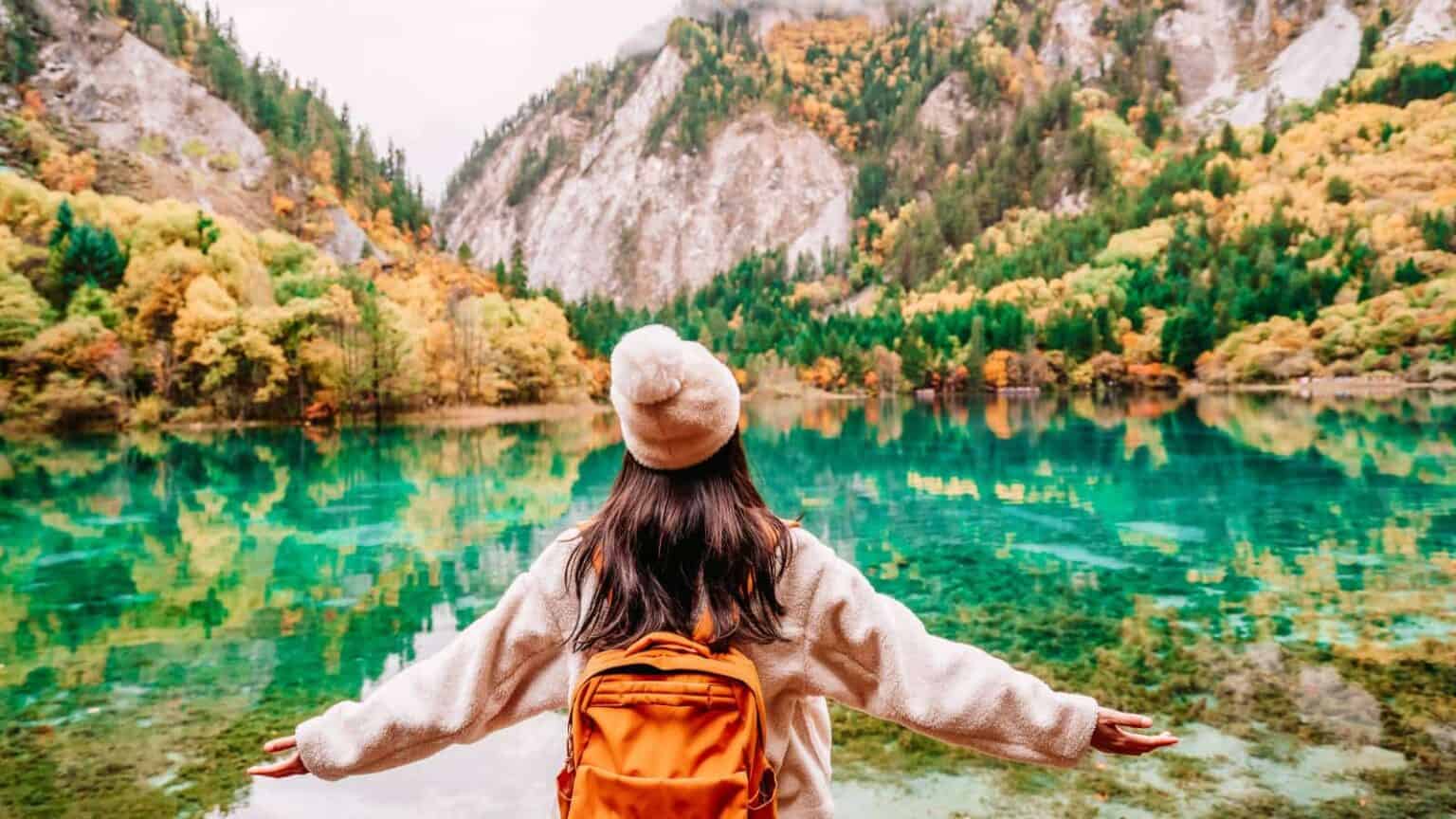
There’s a quiet rebellion in choosing solitude over crowds, in trading neon-lit boulevards for the whisper of pine needles against your boots. National parks aren’t just postcard backdrops—they’re cathedrals of self-discovery, where the only admission fee is your willingness to get lost. And yet, the myth persists that solo travel is a luxury reserved for those with deep pockets. The truth? The wildest adventures often cost the least. These nine destinations prove that budget shouldn’t dictate the depth of your journey—only the pace at which you uncover it.
The Allure of the Untrammeled: Why National Parks Demand Solitude
National parks are the last bastions of unfiltered wilderness, but their magic isn’t in their grandeur alone—it’s in the absence of noise. Crowds dilute the experience; they turn geysers into selfie queues and trails into conveyor belts of Instagram poses. Solitude, however, transforms a hike into a pilgrimage. The absence of chatter forces you to listen—to the crack of a branch underfoot, the distant call of a raven, the hush of wind through a canyon. This isn’t escapism; it’s a return to the primal rhythm of the earth, where every step is a vote for presence over performance.
Consider the difference between standing in a packed overlook at Yellowstone and finding a secluded thermal vent at dawn. The former is a spectacle; the latter, a revelation. Budget travel isn’t about settling for less—it’s about reclaiming the kind of access that money can’t buy: the kind that comes from patience, timing, and a willingness to veer off the beaten path.
Appalachian Trail, USA: The Long Walk as a Metaphor for Life
The Appalachian Trail isn’t just a path—it’s a 2,190-mile thesis on endurance, humility, and the art of letting go. For solo hikers, it’s a masterclass in self-reliance, where the only guidebook you need is the one written by your blisters and the kindness of strangers. The trail’s beauty lies in its accessibility: you don’t need a permit for most sections, and hostels like the Duncannon AT Hostel in Pennsylvania offer dorm beds for under $30 a night.
But the real magic happens in the quiet moments—the sunrise over the Smokies, the solitude of a shelter at dusk, the way the trail forces you to confront your own limits. It’s a journey that doesn’t just take you through forests and over mountains; it strips away the noise of modern life until all that’s left is the sound of your own breath and the rhythm of your footsteps.

Banff National Park, Canada: Where the Wild Feels Within Reach
Banff is often dismissed as a “tourist trap,” but that’s only true if you confine yourself to the Banff Avenue strip. Venture beyond, and you’ll find a landscape that feels designed for solitude seekers. The Bow Valley Parkway, for instance, is a 51-kilometer scenic drive where elk outnumber tour buses, and the Skoki Lodge trail offers a 26-kilometer trek through alpine meadows that feel untouched by time.
What makes Banff special isn’t just its turquoise lakes or jagged peaks—it’s the way the park rewards those who arrive early, stay late, or simply wander without a map. The solitude here isn’t accidental; it’s a deliberate invitation to slow down, to let the vastness of the Rockies remind you that you are, in fact, very small.
Patagonia, Chile & Argentina: The Price of Awe
Patagonia is the kind of place that makes you question whether beauty is a privilege or a right. The Torres del Paine circuit, for example, is a 110-kilometer trek that costs as little as $100 for camping permits, yet delivers views that feel like they belong in a dream. The catch? The weather is as unpredictable as a first date, and the wind can knock you off your feet with the subtlety of a sledgehammer.
But here’s the secret: the discomfort is part of the allure. Patagonia doesn’t coddle you; it challenges you. And in doing so, it offers a kind of clarity that no five-star resort ever could. The solitude here isn’t just about being alone—it’s about being humbled by the sheer scale of the landscape, by the knowledge that you are but a fleeting speck in a wilderness that has endured for millennia.
Dolomites, Italy: The Alps’ Forgotten Cousin
The Dolomites are Europe’s best-kept secret—a jagged, limestone paradise where the trails are as well-marked as they are breathtaking. The Alta Via routes offer multi-day treks that cost as little as €20 per night for rifugio stays, where you’ll share a dorm with hikers from around the world, all united by the same obsession: the next summit.
What makes the Dolomites different is their intimacy. Unlike the sprawling vastness of Patagonia or the crowded trails of the Alps, here the mountains feel like they were carved just for you. The solitude isn’t just a byproduct of the terrain—it’s a deliberate design, a way of ensuring that every hiker feels like they’ve stumbled upon a private revelation.
Fiordland National Park, New Zealand: Where the Land Ends and the Myth Begins
Fiordland is the kind of place that makes you believe in the sublime. The Milford Track, for instance, is a four-day, 53-kilometer journey that costs as little as NZ$65 for huts, where you’ll traverse rainforests so lush they feel like they belong in a fantasy novel, and fjords so deep they could swallow a city.
The solitude here isn’t just about the absence of people—it’s about the presence of something far more ancient. The Māori name for Milford Sound, *Piopiotahi*, means “a single piopio bird,” a reference to the legend of a lone bird that flew into the sound and never returned. The park, in its quiet way, tells a similar story: a place where the wild is so overwhelming that it demands your full attention, your full presence, your full surrender.
Cairngorms National Park, Scotland: The Quiet Rebellion of the Highlands
The Cairngorms are where the Scottish Highlands reveal their most guarded secret: a wilderness that feels untouched by time. The Lairig Ghru pass, for example, is a 28-kilometer trek through a glacial valley that feels like stepping into a Celtic myth. The solitude here isn’t just about the lack of crowds—it’s about the way the landscape forces you to confront the raw, unfiltered power of nature.
What makes the Cairngorms special is their refusal to perform. Unlike the dramatic peaks of the Alps or the sweeping vistas of Patagonia, the Cairngorms are subtle, understated. They don’t shout; they whisper. And in doing so, they offer a solitude that is as much about introspection as it is about exploration.
Rila Mountains, Bulgaria: Europe’s Hidden Gem
Bulgaria’s Rila Mountains are the kind of place that makes you question why more travelers don’t know about them. The Seven Rila Lakes trail, for instance, is a 19-kilometer trek that costs as little as €10 for a dorm bed in a mountain hut, where you’ll hike past glacial lakes so clear they look like they’ve been polished by time itself.
The solitude here isn’t just about the lack of tourists—it’s about the way the mountains feel like they’ve been waiting for you. The Rila range is steeped in folklore, from the legend of the Seven Rila Lakes to the hermit monks who once sought refuge in its caves. To hike here is to walk in the footsteps of history, to feel the weight of centuries in every step.
Jotunheimen National Park, Norway: Where the Giants Sleep
Jotunheimen, or “Home of the Giants,” is a land of jagged peaks and alpine lakes where the solitude feels like a privilege. The Besseggen Ridge hike, for example, is a 14-kilometer trek that offers views so stunning they feel like a reward for surviving the journey itself. The cost? As little as NOK 100 for a night in a mountain hut.
What makes Jotunheimen different is its quiet intensity. The mountains here don’t just tower over you—they demand your respect. The solitude isn’t just about being alone; it’s about being in the presence of something far greater than yourself, something that has endured for millennia and will continue long after you’re gone.
The Unspoken Truth: Why Solitude in Nature is a Radical Act
In a world that measures success in likes, followers, and itineraries, choosing solitude in nature is an act of quiet defiance. It’s a refusal to be commodified, to be reduced to a checklist item or a photo opportunity. It’s a declaration that the most valuable experiences aren’t the ones that can be shared on social media—but the ones that can only be felt in the silence between your own thoughts.
These nine destinations prove that budget travel isn’t about settling for less. It’s about choosing depth over spectacle, presence over performance, and solitude over the illusion of connection. The wild doesn’t care about your bank account. It only cares whether you’re willing to show up, unarmed and unafraid, ready to be humbled by its grandeur.
So lace up your boots. Leave the noise behind. The mountains are waiting—and they’re not interested in your excuses.