There’s a peculiar alchemy to solo travel—where every ounce of gear feels like a negotiation with gravity, and the art of packing becomes a silent dialogue between necessity and vanity. The backpacker’s burden is not merely physical; it’s a psychological tether, a whispered pact between wanderlust and the tyranny of limited space. Yet, in the relentless pursuit of the perfect itinerary, many travelers commit cardinal sins against the sacred principle of weight distribution. These are not mere oversights; they are strategic blunders that transform a nimble journey into a lumbering odyssey. Here, we dissect the five most egregious packing mistakes that sabotage the solo traveler’s equilibrium, where every misplaced sock or misaligned water bottle becomes a metaphor for the unraveling of control.
The Centrifugal Delusion: When Clothes Spin Out of Control
Imagine your backpack as a miniature solar system, where each garment orbits a central void—your core needs. The first mistake is treating it like a black hole, where gravity is dictated by the most voluminous, least essential items. Bulky sweaters, denim jackets, and those “just in case” shoes conspire to drag your center of mass downward, turning your spine into a sagging suspension bridge. The remedy? Adopt the layering stratagem, where fabrics fold into each other like geological strata, each piece serving multiple climates. Merino wool becomes your planetary core—breathable, odor-resistant, and capable of insulating even when damp. Pack it in vacuum-sealed bricks, then surround it with lighter, compressible layers. The result? A backpack that defies physics, where the heaviest elements float near your shoulders, not your lumbar.

The Hydration Mirage: Water as the Silent Saboteur
Water is the elixir of life, but in a backpack, it’s a double-edged sword—a necessary burden that can capsize your entire load. The mistake? Assuming you’ll find potable water everywhere, or worse, treating your hydration bladder like a bottomless well. A single liter of water weighs a kilogram, and when stashed in the base of your pack, it becomes an anchor dragging your hips into submission. The solution lies in strategic hydration: carry a collapsible bottle for day trips, refill it at every opportunity, and reserve your rigid bottles for longer stretches where sources are scarce. Distribute water weight vertically—place one bottle in the top lid, another in a side pocket, and a third in a hip belt pouch if your pack allows. This way, your center of mass remains fluid, not fixed.
But here’s the twist: water isn’t just a weight—it’s a currency. In arid landscapes, it buys safety, camaraderie, and even shelter. Packing too little is a gamble; packing too much is a prison. The solo traveler must master the art of calculated thirst, where every sip is a trade-off between endurance and excess.
The Electronics Quagmire: Gadgets as the Modern Millstone
In the age of the digital nomad, a backpack without electronics is like a campfire without wood—useless. Yet, the proliferation of devices—laptops, e-readers, power banks, cables, adapters—creates a labyrinth of weight that few travelers navigate successfully. The mistake? Treating your tech like a museum exhibit, where each gadget demands its own velvet-lined case. The result? A backpack that groans under the weight of a single USB cable coiled like a sleeping serpent.
Enter the modular electronics system

Pack your power bank in a slim, padded sleeve that slots into your bag’s laptop compartment. Use a cable management sleeve to corral chargers and earbuds, then nestle it against the back panel where it won’t shift. Reserve the top lid for lightweight essentials like a universal adapter or a solar charger. The key is to treat your electronics like a hierarchy of needs—where the most frequently used items are within arm’s reach, and the rest are stowed like buried treasure.
The Footwear Fiasco: Shoes as the Unyielding Tyrants
Shoes are the most deceptive of all packing burdens. A single pair can weigh as much as a small laptop, yet travelers often cram three or four into their bags, as if preparing for a footwear apocalypse. The mistake? Prioritizing style over substance, or worse, assuming that one pair will suffice for all terrains. The result? Blisters, back pain, and a backpack that tilts like the Tower of Pisa.
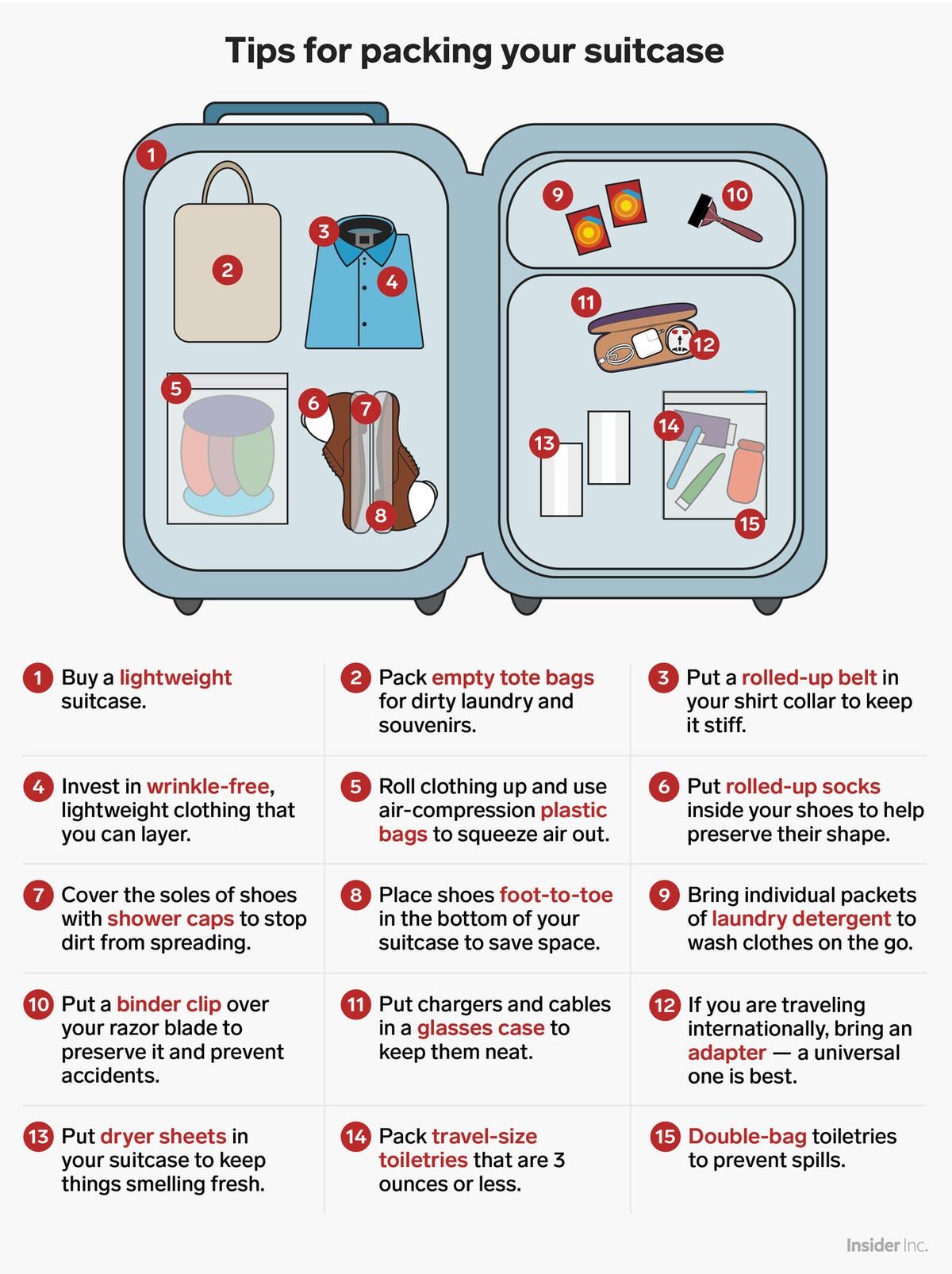
The solution is a footwear triad: one pair of versatile walking shoes (think lightweight trail runners or minimalist sneakers), one pair of versatile sandals (with arch support for city streets), and one pair of compact camp shoes (like down booties or flip-flops). Stuff socks and insoles into the shoes to maintain their shape, then place them in the bottom of your pack, heels facing outward. This way, they act as a structural counterbalance, preventing your bag from collapsing into a sad, shapeless heap.
But here’s the unspoken truth: shoes are a metaphor for compromise. They represent the tension between comfort and adventure, between the familiar and the unknown. A solo traveler must choose wisely—because every step taken with the wrong pair is a step closer to regret.
The Snack Trap: Food as the Invisible Overload
Food is the ultimate paradox in backpacking—both a necessity and a liability. The mistake? Packing snacks like a squirrel hoarding acorns for winter, only to discover that a week’s worth of energy bars has turned your bag into a brick. The solution lies in strategic caloric density: prioritize foods that offer maximum sustenance per gram. Think nut butters in single-serve packets, dehydrated meals that reconstitute with hot water, and energy gels for those desperate moments between towns.
But the real trap is the psychological snacking—the habit of carrying “just in case” treats that never get eaten. These become dead weight, a silent testament to poor planning. Instead, adopt the just-in-time provisioning strategy: buy food as you go, supporting local markets and reducing waste. Your backpack will thank you, and your taste buds might just throw a party.