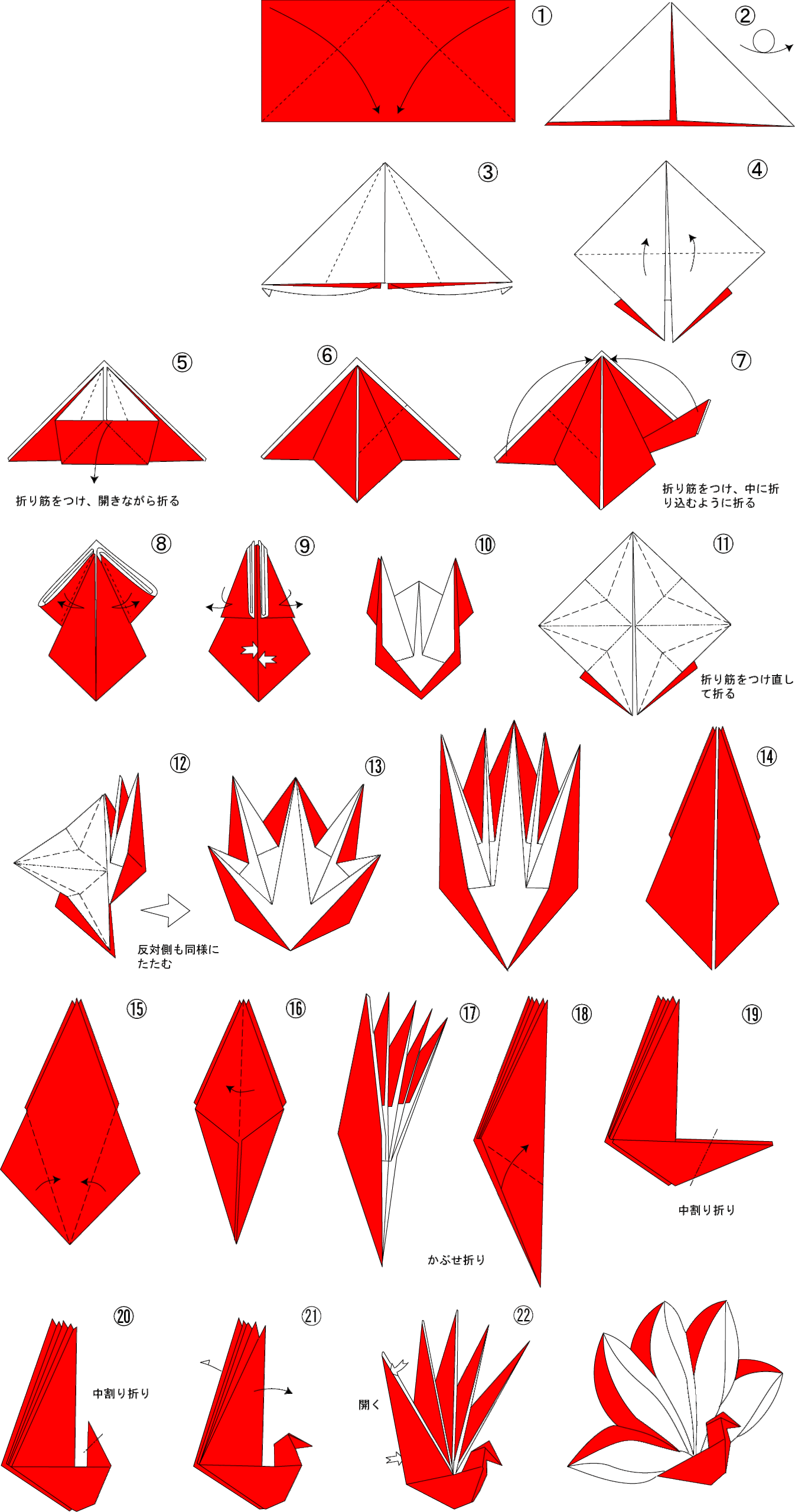
The first time you step into the unknown, the world rearranges itself into a labyrinth of unfamiliar faces, uncharted streets, and the quiet hum of a language you don’t speak. Getting lost isn’t just a possibility—it’s an inevitability. The question isn’t whether it will happen, but how you’ll meet the moment when the GPS dies, the map folds into a useless origami bird, and the only thing guiding you is the instinct to keep moving forward. This isn’t a cautionary tale. It’s a manifesto for the uncharted life.
The Illusion of Control and Why You Should Embrace the Chaos
We carry maps in our pockets, but they’re digital, sterile, and devoid of the pulse of a place. A GPS doesn’t whisper secrets from the locals or point you toward the bakery where the owner slips you a free pain au chocolat because you look like you’ve walked too far. It doesn’t know that the shortcut through the alley is where the real magic happens—or where the real danger lurks. Getting lost isn’t a failure of planning; it’s a rebellion against the tyranny of over-preparation. The first time you realize you’ve taken a wrong turn and the street signs mock you with their indecipherable script, you’re not lost—you’re being initiated. The city, the village, the sprawling metropolis: they’re not just backdrops. They’re active participants in your journey, testing your adaptability, your curiosity, your willingness to surrender to the unknown.

The illusion of control is the greatest trap of modern travel. We book hotels with 5-star reviews, download offline maps, and memorize phrases like “Where is the bathroom?” in five languages. But the moment the universe decides to nudge you off course—whether it’s a delayed train, a misread sign, or a sudden downpour that forces you into a café where the owner becomes your unexpected guide—you’re forced to confront a truth: you are not the architect of your journey. You are its co-creator. And sometimes, the best parts of the story are written in the margins, where the ink bleeds and the lines aren’t straight.
The Art of Asking for Directions (Without Looking Like a Tourist)
Asking for help is not a sign of weakness. It’s a sign of intelligence. But there’s a delicate dance to it. Approach a local with the desperation of a drowning man, and you’ll be met with either pity or a lie told with a straight face. Walk up with the confidence of someone who belongs, and you might just unlock doors you didn’t know existed. The key? Confidence disguised as curiosity. Don’t say, “Where is the museum?” Say, “I’m trying to find the old cathedral—do you know the best way to get there?” Suddenly, you’re not a lost tourist. You’re a seeker. And seekers get answers.
Body language matters. Stand tall, make eye contact, and smile—not the nervous, apologetic grin of someone who’s just realized they’ve been walking in circles for an hour, but the warm, open smile of someone who’s exactly where they’re meant to be. Even if you’re not. Locals can sense authenticity. They can also sense desperation. And while desperation might get you directions, authenticity will get you invitations—to a family dinner, a hidden viewpoint, a story you’ll tell for years. The best guides aren’t found on Google Maps. They’re the people who notice you hesitating at a crossroads and decide, on the spot, to become part of your journey.
And then there’s the art of the follow-up question. “How long does it take to walk there?” is fine. “Is there a bakery along the way?” is better. “Do you have a favorite spot nearby?” is transformative. The more specific your curiosity, the more specific the response. And the more specific the response, the more you realize that getting lost isn’t about finding your way back to the path. It’s about discovering that the path was never the point.
When the Night Falls and the Streets Morph Into a Different World
Dusk is the great equalizer. It strips away the daylight’s false sense of safety and reveals the city in its true form: a living, breathing entity with moods, secrets, and rules you don’t yet understand. The neon signs flicker to life. The laughter from a bar spills into the street. The shadows grow longer, and the alleys that seemed harmless in daylight now hum with an energy that’s equal parts thrilling and unnerving. Getting lost at night is not the same as getting lost during the day. The stakes feel higher. The urgency is sharper. And the solutions? They’re not in the map. They’re in the people.
This is where the real test begins. Do you retreat to the safety of a well-lit street, clutching your phone like a lifeline? Or do you lean into the unknown, trusting that even in the dark, there’s a rhythm to the city, a pulse, a logic? The best solo travelers don’t just navigate the streets—they navigate the energy of a place. They learn to read the cadence of footsteps, the flicker of a streetlamp, the way the wind carries the scent of grilled meat or damp stone. Nighttime is not a time to panic. It’s a time to listen. To the city. To yourself. To the quiet voice that says, “Keep going.”

And if you’re truly lost? If the streets twist into a knot and the language barrier feels like a fortress? Then find a place to sit. Order something. Wait. The best stories don’t come from rushing. They come from pausing. From watching. From letting the city reveal itself to you, one unplanned moment at a time.
The Unexpected Gift of Being Truly, Unapologetically Lost
There’s a moment, usually after the panic subsides, when you realize something extraordinary: you’re not just lost. You’re free. Free from the itinerary. Free from the expectations. Free from the pressure to perform the role of the “perfect traveler.” Getting lost is the universe’s way of saying, “You don’t need to have it all figured out.” And in that surrender, something magical happens. You start to see the world not as a checklist, but as a living, breathing story—and you’re no longer just a reader. You’re a participant.
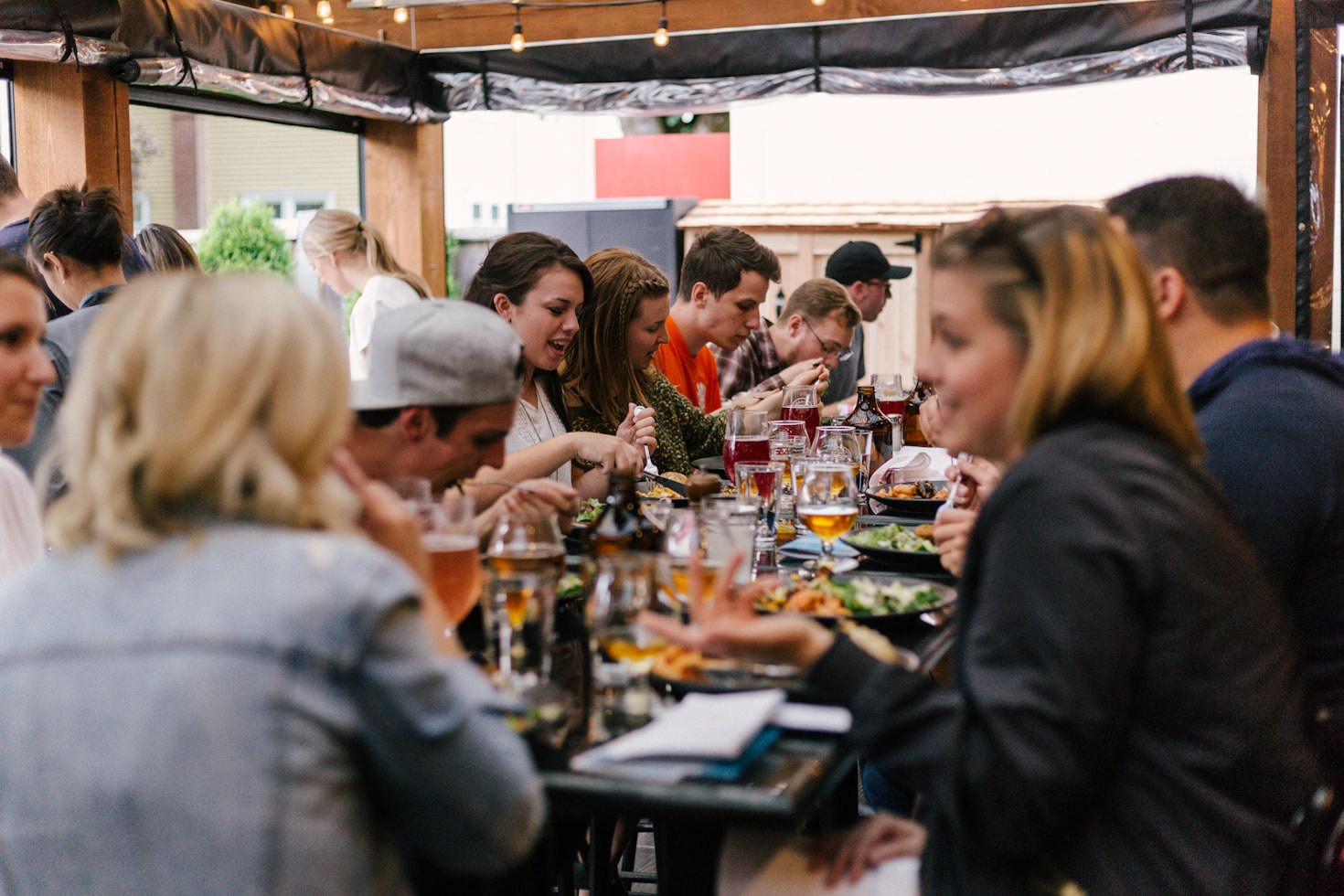
You’ll stumble upon a plaza where an old man plays the accordion. You’ll find a bookstore tucked between two buildings, its shelves lined with novels in a language you don’t understand but whose spines you’ll trace with your fingers anyway. You’ll share a table with strangers who become friends, who invite you to their table for a meal you never planned to eat. You’ll learn that the best meals aren’t found in guidebooks. They’re found in the places where the locals eat. Where the food is cheap, the portions are generous, and the conversation is better than any tour.

The first time you get lost, it feels like a failure. The second time, it feels like a fluke. By the third, you start to understand: it’s not a bug in the system. It’s a feature. Getting lost isn’t something to avoid. It’s something to cultivate. It’s the price of admission to a life that’s not just seen, but lived. So the next time your GPS reroutes you into a neighborhood you’ve never heard of, don’t fight it. Lean in. The detour isn’t a mistake. It’s an invitation. And the best journeys? They’re never the ones you planned.