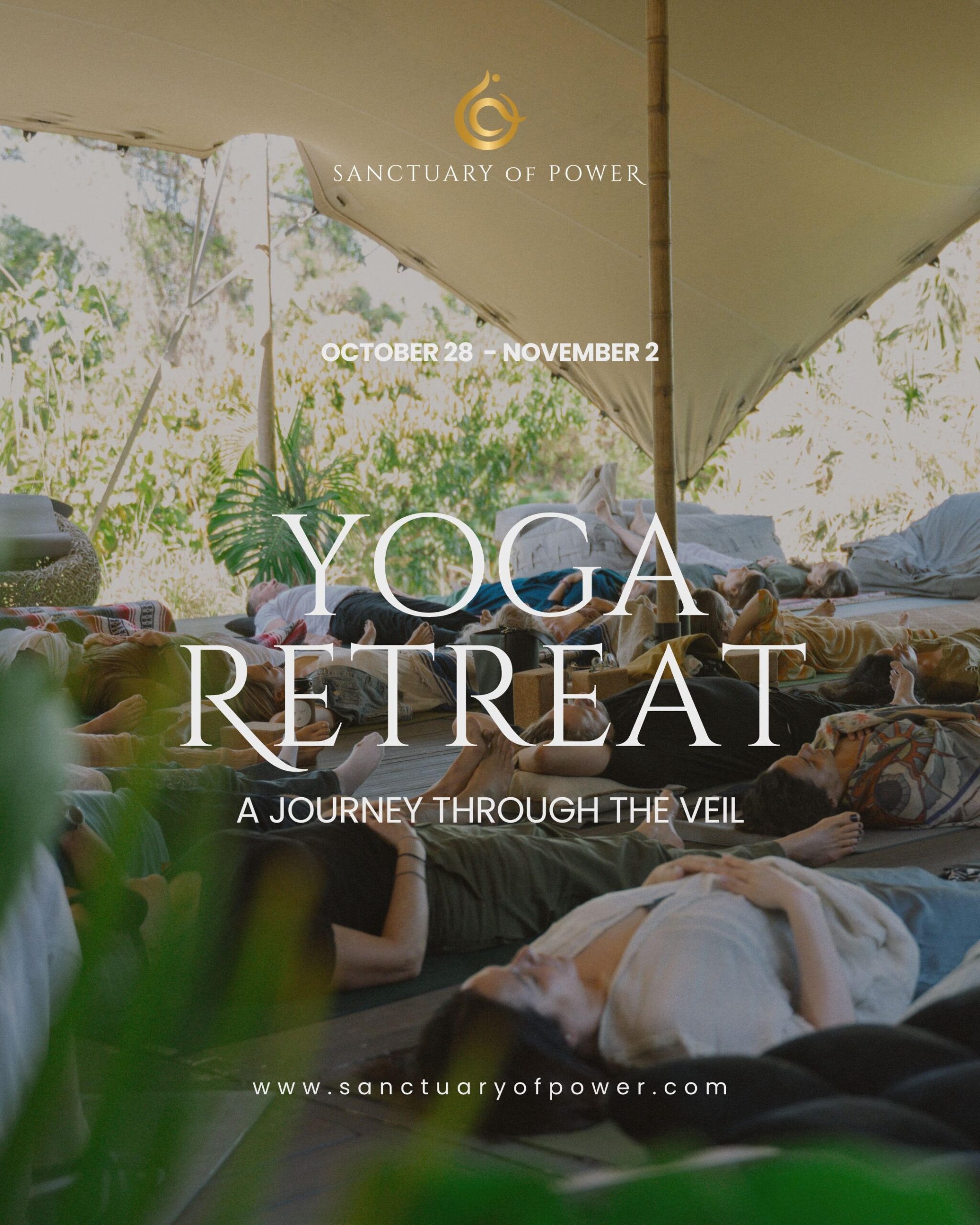
Welcome to an exploration of sleep tourism, a burgeoning phenomenon within the global hospitality sector, projected to reach a staggering $500 billion by 2030. This article delves into the multifaceted world of sleep tourism, dissecting its various facets and examining how travelers increasingly seek destinations that prioritize restorative slumber through innovative amenities, therapeutic environments, and bespoke experiences.
Understanding Sleep Tourism
Sleep tourism transcends conventional travel by emphasizing sleep quality as a central component of the guest experience. It encompasses accommodations designed to enhance biological rhythms, promote relaxation, and cater to those suffering from insomnia or stress-related sleep disorders. This niche market leverages scientific insights into sleep hygiene, offering environments that align with natural circadian patterns.

The Scientific Basis of Sleep Tourism
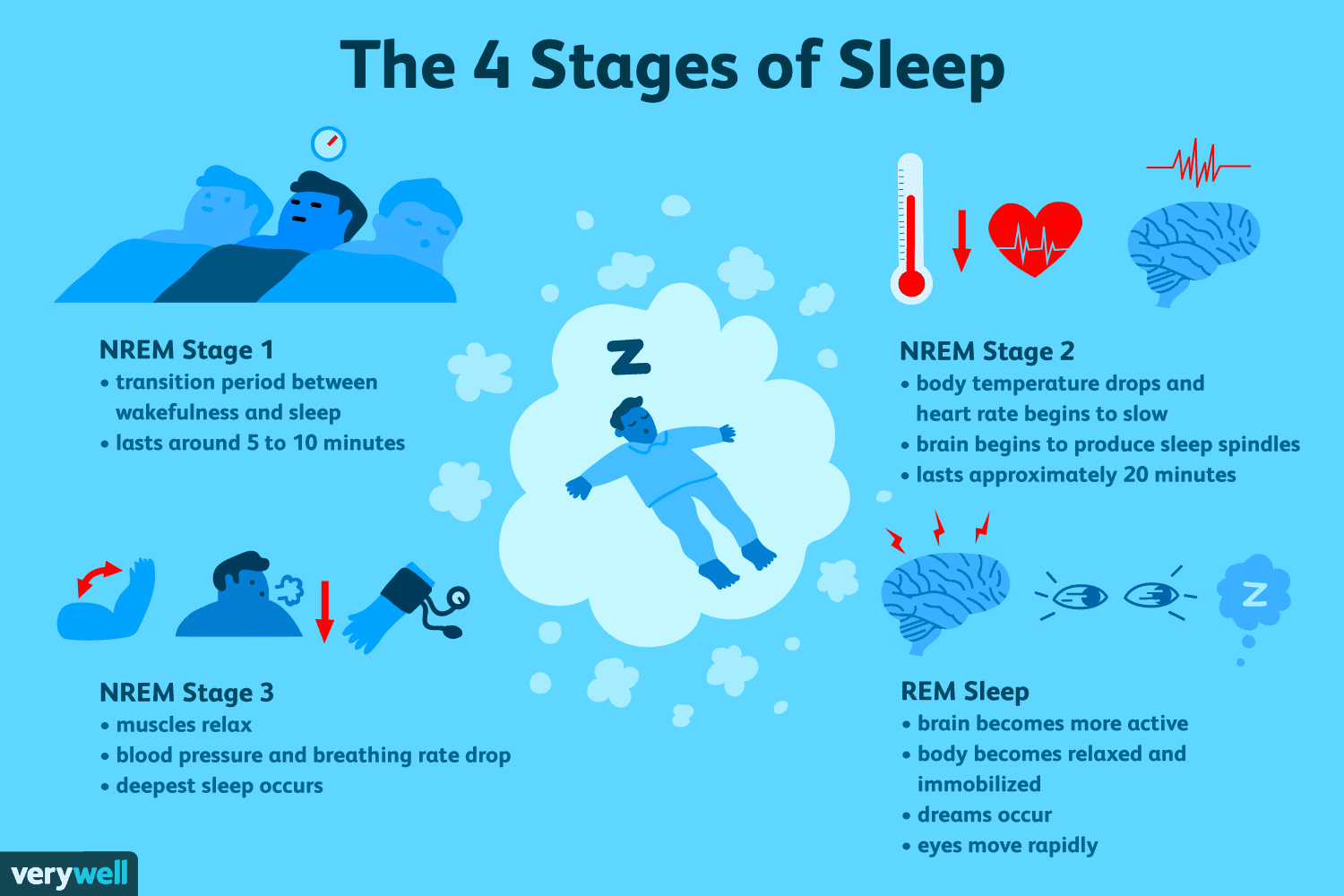
At the heart of sleep tourism lies a deep understanding of sleep physiology. The concept of “sleep drive,” or homeostatic sleep pressure, explains how the brain’s need for rest intensifies with wakefulness. By integrating this science into lodging design—through dimmable lighting, temperature controls, and soundproofing—establishments can create microclimates conducive to deep REM cycles.
Architectural Innovations in Sleep Tourism
Innovative architecture plays a pivotal role in sleep tourism. Structures such as The Pod at Lourdes Hospital Spa in England feature biophilic designs that mimic natural environments, utilizing wood textures and earth tones to soothe the senses. Similarly, the Nuvola Hotel in Turin incorporates a “sleep lab” equipped with cutting-edge sleep monitoring technology, allowing guests to customize their rest parameters.
Culinary and Wellness Offerings
Culinary strategies also contribute significantly to sleep tourism. Menus are curated to include magnesium-rich foods like almonds and spinach, which promote muscle relaxation and neurotransmitter balance. Spa services often integrate aromatherapy using lavender or chamomile, known for their sedative properties, alongside therapies such as thermal baths and yoga nidra sessions tailored to pre-sleep routines.
Destination Highlights: Sleep Sanctuaries Worldwide
Destinations emerging as leaders in sleep tourism include Japan’s ryokan (traditional inns) renowned for their futon setups and onsen (hot spring) baths; Scandinavia, which boasts minimalist lodgings that harness natural light cycles; and wellness retreats in Bali, offering tailored programs that fuse Ayurvedic practices with state-of-the-art sleep technologies.

The Economic Impact and Future Trends
As the industry expands, it is poised to influence local economies positively through job creation in hospitality, wellness, and biodesign sectors. Predictions suggest a shift towards smart lodgings equipped with AI-powered sleep enhancement tools, personalized genetic profiling for optimal sleep patterns, and sustainable practices that minimize environmental disruption.
Conclusion: Embracing the Night
Sleep tourism represents more than just a luxury—it is an acknowledgment of the indispensable role rest plays in health and happiness. By prioritizing sleep quality on a global scale, the industry not only addresses the physiological needs of travelers but also champions a cultural shift towards valuing downtime as profoundly as productivity. As this sector evolves, it invites us to reimagine travel itself: from a pursuit of daylit adventures to an exploration of nocturnal sanctuaries where every night is a promise of rejuvenation.