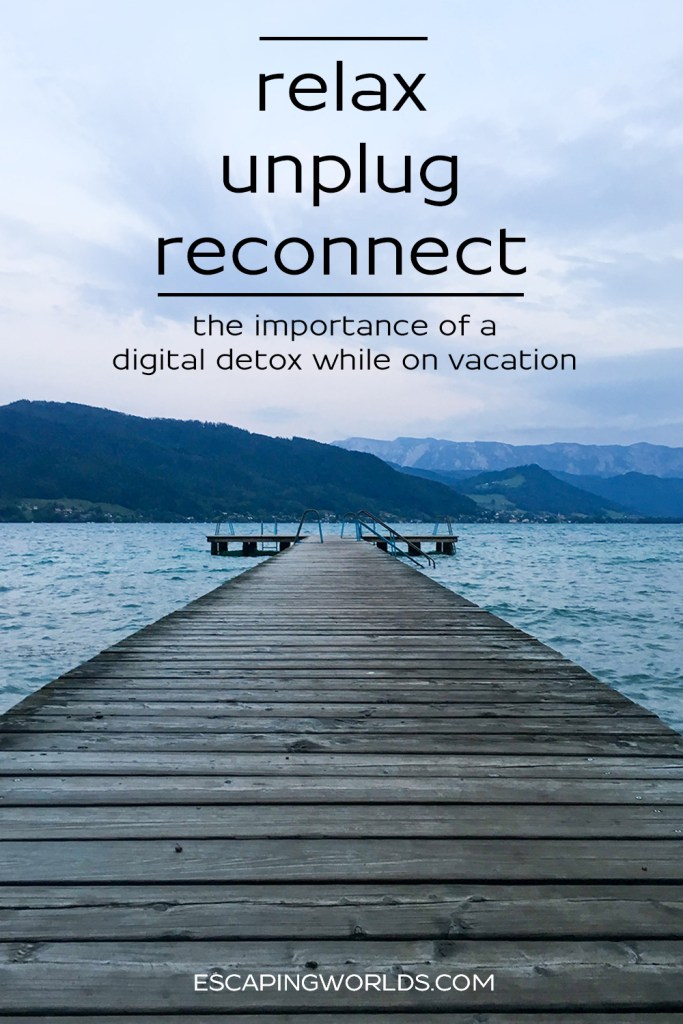
Embarking on a forest bathing vacation after cancer treatment is an audacious decision, one that dares to merge the serenity of nature with the resilience of healing.
The Allure of Shinrin-Yoku: Nature’s Therapeutic Embrace
Shinrin-yoku, or forest bathing, is a Japanese practice rooted in the belief that immersion in a woodland environment can catalyze profound physical and mental restoration. The therapeutic essence lies not merely in the act of walking amidst trees but in the deliberate absorption of nature’s subtle symphony—tender caresses of sunlight filtering through leaves, the whisper of wind rustling branches, and the earthy aroma permeating the air.

For a cancer survivor, this form of ecotherapy offers an alternative sanctuary to conventional clinical environments. The gentle discipline of slowing down, breathing deeply, and engaging the senses can recalibrate stress responses, potentially bolstering immune function—a critical consideration post-chemotherapy or radiation therapy.
Navigating the Gauntlet: Challenges in Post-Cancer Rehabilitation
Yet, embarking on such a verdant voyage is not devoid of challenges. The physical aftermath of cancer treatment often leaves one with diminished stamina and heightened sensitivities to environmental stimuli. The texture of bark may feel abrasive, and the intensity of sunlight could trigger unexpected fatigue or discomfort.

Moreover, there exists an internal dialogue that questions whether one is ready—or deserving—of such tranquility. The mind, still marred by the remnants of illness and treatment side effects, may resist the seductive allure of nature’s peace, fearing that it might mask lingering concerns rather than addressing them.
The Transformative Power of Mindful Engagement
Despite these hurdles, the act of consciously engaging with the forest environment can become a potent catalyst for healing. By employing mindfulness techniques—focused breathing, progressive muscle relaxation, and attentive observation—one can transform potential obstacles into opportunities for growth.

For instance, rather than viewing fatigue as a barrier, one might reinterpret it as a signal to pause and deepen breathwork. The tactile sensation of moss beneath bare feet can serve as an anchor, grounding thoughts and emotions in present-moment awareness.
Cultivating Resilience Through Nature’s Tapestry
Ultimately, the forest bathing vacation becomes less about the destination—specifically, reaching a state of perfect equilibrium—and more about embracing the journey itself. Each step through the undergrowth, each gentle exhalation in sync with the natural cadence, contributes to the cultivation of resilience.

As one navigates this green odyssey, the interplay between challenge and response weaves a narrative of transformation. The survivor emerges not only healed but enriched by an intimate communion with nature—a testament to the indomitable spirit that perseveres even amidst life’s most invasive adversaries.
Fostering Continued Connection: Beyond the Forest Walls
The insights garnered from forest bathing transcend the temporal confines of a vacation. They inform daily practices, encouraging integrative mindfulness in urban settings—whether it be through office-window observations, parkland strolls, or indoor plant cultivation.

In this manner, the legacy of the forest bathing experience endures, perpetually nurturing a harmonious dialogue between self and environment. It becomes a living reminder that healing is a perpetual process—a dance danced not once, but continuously, beneath nature’s ever-watchful canopy.