There’s a peculiar thrill in watching a toddler’s eyes widen at the sight of a new place—whether it’s the hum of a train station, the scent of unfamiliar spices at a market, or the way their tiny fingers clutch a toy they’ve never seen before. Traveling with little ones is a masterclass in adaptability, where every diaper change becomes a strategic maneuver and every nap is a sacred pause in the chaos. But here’s the rub: the gear required to keep them safe, entertained, and relatively sane can feel like a second suitcase—one that’s either stuffed with bulky purchases or rented at a premium. The eternal question lingers: Is it cheaper and easier to buy toddler travel gear outright, or to rent it as needed? The answer isn’t just about dollars and cents; it’s about the unspoken calculus of convenience, guilt, and the fleeting nature of childhood itself.
The Hidden Costs of Convenience: Why Renting Might Not Save You Money
At first glance, renting toddler travel gear seems like a no-brainer. Why haul a stroller through airports or pack a bulky car seat when you can simply borrow one at your destination? The logic is seductive—until you tally the hidden fees. Many rental services charge per day, with surcharges for cleaning, damage, or late returns. A $30-a-day stroller rental might seem reasonable until you realize you’re paying $210 for a week-long trip, only to return it in the same condition you received it. Meanwhile, a mid-range travel stroller costs around $150—one-time, no strings attached. The math gets murkier when you factor in the cost of shipping gear back if you’re traveling internationally or the risk of renting from a fly-by-night operator who might vanish with your deposit.
Then there’s the psychological toll. Renting gear often means settling for whatever’s available—an ill-fitting car seat with questionable safety ratings, a stroller with a wobbly wheel, or a crib that smells faintly of previous occupants’ midnight feedings. Toddlers are perceptive. They notice when the world isn’t quite right. A rented high chair with a cracked tray might not faze an adult, but to a child, it’s a subtle betrayal of the order they crave. The ease of renting can quickly curdle into frustration when the gear doesn’t meet your standards—or worse, fails to meet your child’s unspoken expectations.
The Long Game: When Buying Makes Sense (Even If It Doesn’t Feel Like It)
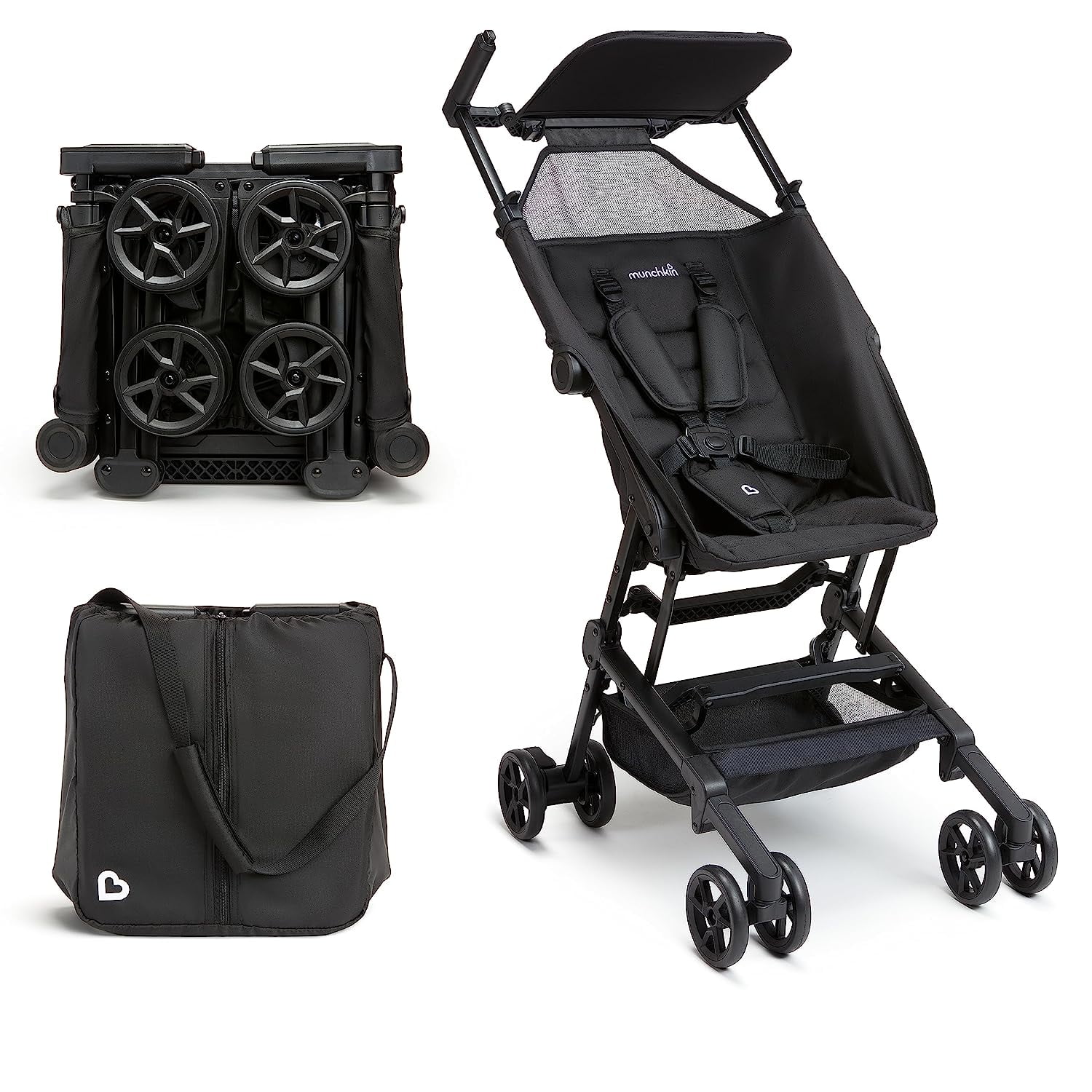
Buying toddler travel gear is an act of defiance against the disposable culture that tells us everything should be temporary. A well-chosen travel crib, for instance, can serve you for years—from hotel stays to backyard camping trips. The upfront cost is steep, but the long-term savings are undeniable. A $200 lightweight crib can replace the need for multiple hotel cribs, which often come with questionable hygiene or outright refusal to provide them. Similarly, a compact umbrella stroller—like the Babyzen Yoyo or UPPAbaby Minu—is an investment in mobility. It folds into a suitcase, fits in overhead bins, and grows with your child. Over time, these purchases pay for themselves, especially if you’re a frequent traveler.
But buying isn’t just about economics; it’s about control. When you own the gear, you dictate the terms. You can sanitize the car seat before installation, adjust the stroller’s harness to your child’s comfort, and even personalize it with a familiar blanket or stuffed animal. Toddlers thrive on consistency. A rented stroller might work in a pinch, but it’s not theirs. The emotional cost of disrupting their routine—even in small ways—can outweigh the convenience of not having to pack it. And let’s not forget the guilt factor. Every parent has, at some point, wondered if they’re doing enough. Owning gear that’s tailored to your child’s needs is one less thing to second-guess.
The Rental Sweet Spot: When It Actually Works
Renting isn’t all doom and gloom. There are scenarios where it shines. If you’re traveling to a destination with strict airline baggage policies—like a budget carrier that charges by the ounce—renting a car seat or stroller at your destination can be a lifesaver. Some cities, particularly in Europe or Asia, have excellent rental services for baby gear, with clean, well-maintained options delivered straight to your hotel. The key is research. Look for services with transparent pricing, good reviews, and a track record of reliability. Companies like Baby’s Away or Traveling Baby Company specialize in gear rentals for travelers, offering everything from cribs to bottle warmers. Their prices are often competitive with buying, especially for high-end items like premium strollers or sound machines.
Another advantage of renting is the ability to test-drive gear before committing to a purchase. Not all toddler travel products are created equal. A rental lets you experiment with different stroller models or car seat configurations without the sunk cost of a bad buy. It’s also ideal for one-off trips—a wedding in a city with no car, a cruise where space is at a premium, or a family reunion where you’d rather not lug your own gear. The trick is to treat rentals as a supplement, not a replacement. Use them for the big-ticket items that are a hassle to transport, but bring your own familiar essentials—pacifiers, loveys, and favorite snacks—to maintain a sense of normalcy.
The Emotional Ledger: What Price Do You Put on Peace of Mind?
Money is just one side of the equation. The other is the currency of parental anxiety. Will the rented car seat be installed correctly? Is the stroller’s brake reliable on a steep hill? Can you trust the hotel’s crib to be free of bedbugs? These aren’t paranoid questions—they’re the reality of traveling with a toddler. Buying gear, even if it’s more expensive upfront, eliminates a layer of uncertainty. You know the car seat has been through your own rigorous safety checks. You’ve tested the stroller on uneven sidewalks. You’ve washed the sheets of the travel crib in your own detergent. The peace of mind that comes with ownership is intangible but invaluable.
Then there’s the matter of sentimental value. Toddler gear isn’t just functional; it’s a repository of memories. The stroller that collapsed mid-flight in Rome. The car seat that smelled faintly of sunscreen and crackers. The crib where your child first slept under unfamiliar stars. These aren’t just objects; they’re artifacts of a fleeting phase. Renting severs that connection. It turns travel into a transactional experience, where every item is borrowed and nothing is truly yours. Buying, on the other hand, turns travel into a legacy. Even if the gear ends up in a closet after a few years, it’s a tangible reminder of the adventures you shared.
The Verdict: A Matter of Lifestyle, Not Just Budget
The choice between renting and buying toddler travel gear isn’t just about cost—it’s about values. If you’re a minimalist who travels light and rarely, renting might be the pragmatic choice. If you’re a frequent flyer or a planner who likes to control every variable, buying is the smarter investment. The ideal scenario? A hybrid approach. Rent the big, bulky, or rarely used items—like a travel crib or a double stroller for twins—while bringing your own lightweight, familiar gear for the essentials. This way, you get the best of both worlds: the convenience of rentals without the compromise of unfamiliarity.
At the end of the day, the real question isn’t whether renting or buying is cheaper. It’s whether you’re willing to trade convenience for control, and peace of mind for flexibility. Toddler travel gear isn’t just about getting from point A to point B; it’s about creating a cocoon of safety in a world that’s already overwhelming enough. The gear you choose—whether rented or owned—becomes part of that cocoon. So choose wisely. Your toddler’s sanity (and your own) might depend on it.