Embarking on a cinematic pilgrimage is more than a journey—it’s an odyssey through the landscapes that have shaped some of the most unforgettable films of the past decade. From the sun-baked streets of Los Angeles to the mist-laden fjords of Norway, each destination offers a portal into the worlds of Oscar-winning cinema. Whether you’re chasing the neon glow of cyberpunk metropolises or the rugged charm of untouched wilderness, these 11 movie destinations promise to ignite your wanderlust and deepen your appreciation for the art of filmmaking.
The Neon-Lit Dreamscapes of *Blade Runner 2049* (Los Angeles, USA)
Los Angeles isn’t just the heart of Hollywood; it’s a character in its own right, especially in Denis Villeneuve’s *Blade Runner 2049*. The film’s dystopian vision of 2049 LA is a sprawling metropolis where skyscrapers pierce the smog-choked sky, and holographic advertisements flicker like ghostly specters. To walk the streets of downtown LA is to step into the film’s neon-drenched world. Start at the Bradbury Building, an architectural marvel that inspired the film’s police headquarters, then wander to the Arts District, where murals and graffiti evoke the film’s gritty, cyberpunk aesthetic. Don’t miss the historic Angels Flight Railway, a funicular that adds a touch of old-world charm to the futuristic landscape.
The Enchanted Forests of *The Shape of Water* (Ontario, Canada)
Guillermo del Toro’s *The Shape of Water* is a love letter to fairy tales and old Hollywood glamour, and its lush, otherworldly settings were largely filmed in Ontario, Canada. The film’s underwater kingdom feels like a dream, but the real-world locations are just as mesmerizing. Visit the Elora Quarry Conservation Area, where the crystal-clear waters and rocky cliffs served as the backdrop for the underwater scenes. For a touch of old-world elegance, explore the Elgin and Winter Garden Theatre in Toronto, which inspired the film’s Art Deco aesthetic. The contrast between the film’s fantastical elements and the real-world locations creates a surreal experience that lingers long after the credits roll.
The Sun-Soaked Streets of *Parasite* (Seoul, South Korea)
Bong Joon-ho’s *Parasite* is a masterclass in social commentary, and its portrayal of Seoul’s stark class divide is as gripping as its plot. The film’s locations are a microcosm of the city’s contrasts—luxurious high-rises tower over cramped semi-basements, and sleek modern architecture looms over decaying neighborhoods. To experience *Parasite*’s Seoul, start in Gangnam, where the wealthy elite live in opulent high-rises like the ones featured in the film. Then, head to the semi-basements of Dongdaemun, where the working class struggles to make ends meet. The juxtaposition of these worlds is a powerful reminder of the film’s themes and a testament to Seoul’s vibrant, ever-changing landscape.
The Rugged Wilderness of *Nomadland* (Badlands, USA)
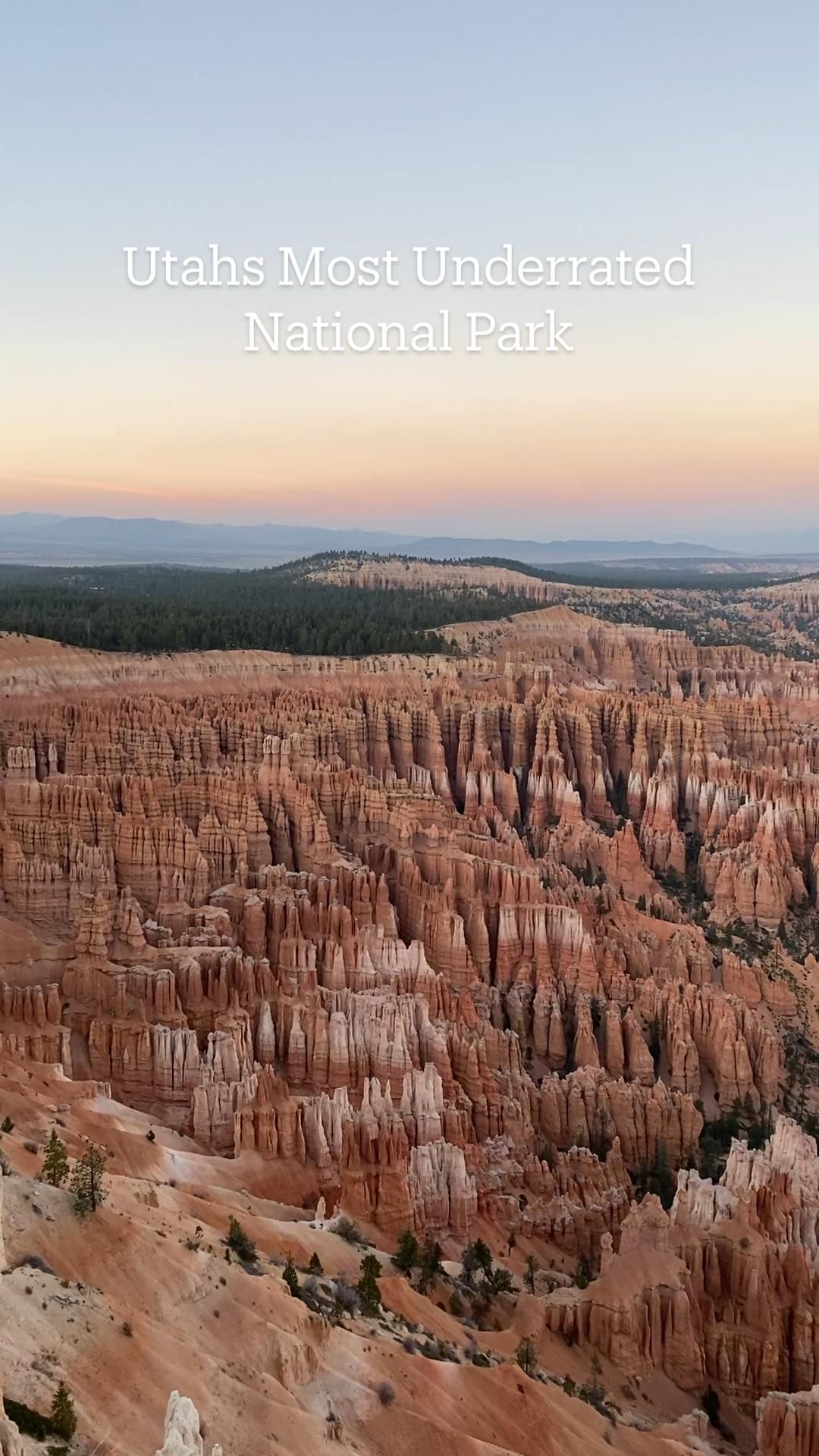
Chloé Zhao’s *Nomadland* is a meditation on freedom, loss, and the American Dream, and its stark, breathtaking landscapes are as much a part of the story as its characters. The film follows Fern, a widow who travels the American West in a van, living as a modern-day nomad. To follow in her footsteps, head to the Badlands of South Dakota, where the film’s opening scenes were shot. The eroded buttes and endless skies create a sense of isolation and wonder, perfectly capturing the film’s themes. For a deeper dive, visit the nearby town of Wall, South Dakota, where Fern works at a campground—a real-life nod to the transient lifestyle depicted in the film.
The Gothic Grandeur of *The Batman* (London, UK)
Matt Reeves’ *The Batman* is a noir-inspired thriller that immerses viewers in a rain-soaked, crime-ridden Gotham City. While the film’s fictional setting is a blend of multiple cities, London’s gothic architecture and labyrinthine streets provide the perfect backdrop for Batman’s dark crusade. Start at the Tower of London, a fortress steeped in history and mystery, then wander through the cobbled alleys of the City of London, where modern skyscrapers loom over medieval buildings. For a touch of cinematic intrigue, visit the Old Bailey, a courthouse that exudes the same gravitas as the film’s courtroom scenes. The city’s moody atmosphere and architectural diversity make it an ideal stand-in for Gotham.
The Tropical Paradise of *Dune* (Wadi Rum, Jordan)
Denis Villeneuve’s *Dune* is a visual masterpiece, and its otherworldly landscapes were brought to life in the deserts of Wadi Rum, Jordan. The film’s depiction of the desert planet Arrakis is a mesmerizing blend of sand, rock, and sky, and Wadi Rum’s red dunes and towering rock formations are a close match. To experience the magic of *Dune*, take a guided tour of Wadi Rum’s most iconic sites, such as the Seven Pillars of Wisdom and the Burdah Rock Bridge. The vast, empty landscapes evoke a sense of awe and isolation, perfectly capturing the film’s themes of survival and destiny. For a truly immersive experience, camp under the stars and let the desert’s silence transport you to another world.
The Coastal Charm of *The Banshees of Inisherin* (Achill Island, Ireland)
Martin McDonagh’s *The Banshees of Inisherin* is a darkly comedic fable set on a remote Irish island, where the rugged beauty of the landscape mirrors the film’s themes of isolation and despair. Achill Island, off the west coast of Ireland, served as the primary filming location, and its dramatic cliffs, sandy beaches, and windswept moors are a character in their own right. To explore the film’s world, start at Keel Beach, where the opening scenes were shot, then head to the nearby village of Dooagh, a quiet, picturesque hamlet that feels frozen in time. The island’s stark beauty and eerie silence create a haunting atmosphere that lingers long after the film ends.
The Urban Jungle of *Everything Everywhere All at Once* (San Francisco, USA)
The Daniels’ *Everything Everywhere All at Once* is a wild, multiversal romp that takes place in a chaotic, neon-lit San Francisco. The film’s version of the city is a melting pot of cultures, cuisines, and chaos, and the real San Francisco is no different. To experience the film’s vibrancy, start in Chinatown, where the bustling markets and colorful storefronts evoke the film’s multiversal chaos. Then, head to the Mission District, a hub of street art and hipster culture, before ending at the iconic Golden Gate Bridge, a symbol of the city’s enduring allure. The film’s frenetic energy is mirrored in San Francisco’s streets, making it the perfect destination for fans of its wild, unpredictable charm.
The Alpine Serenity of *The Grand Budapest Hotel* (Sachsen, Germany)
Wes Anderson’s *The Grand Budapest Hotel* is a whimsical, pastel-hued fairy tale set in a fictional European alpine resort. While the film’s setting is a blend of multiple locations, the real-world inspiration comes from the town of Görlitz in Saxony, Germany. The town’s historic buildings, cobblestone streets, and grand hotels are a perfect match for the film’s aesthetic. To step into Anderson’s world, visit the Görlitz Museum of Cinema, which celebrates the town’s cinematic legacy, then stroll through the Old Town, where the film’s vibrant colors and symmetrical compositions come to life. The town’s old-world charm and meticulous attention to detail make it a dream destination for fans of Anderson’s signature style.
The Desert Solitude of *The Power of the Dog* (Otago, New Zealand)
Jane Campion’s *The Power of the Dog* is a psychological Western set in the rugged, windswept landscapes of 1920s New Zealand. The film’s stark beauty and emotional depth are reflected in the real-world locations, particularly in the Otago region. To experience the film’s world, visit the Cardrona Valley, where the sweeping vistas and rolling hills served as the backdrop for the story’s tense confrontations. Then, head to the nearby town of Arrowtown, a preserved gold-rush settlement that adds a touch of historical authenticity to the journey. The contrast between the film’s emotional intensity and the serene, untouched landscapes creates a powerful and immersive experience.
The Futuristic Metropolis of *Black Panther* (Busan, South Korea)
Ryan Coogler’s *Black Panther* is a celebration of African culture and futuristic innovation, and its depiction of the technologically advanced city of Wakanda was inspired by the real-world city of Busan, South Korea. The film’s vibrant, neon-lit streets and towering skyscrapers are a blend of Busan’s modern architecture and traditional Korean aesthetics. To explore the film’s world, visit the Busan International Film Festival’s outdoor screenings, which capture the city’s cinematic spirit, then head to the Gamcheon Culture Village, a colorful hillside neighborhood that feels like a real-life Wakanda. The city’s dynamic energy and cultural richness make it a perfect destination for fans of the film’s visionary world-building.