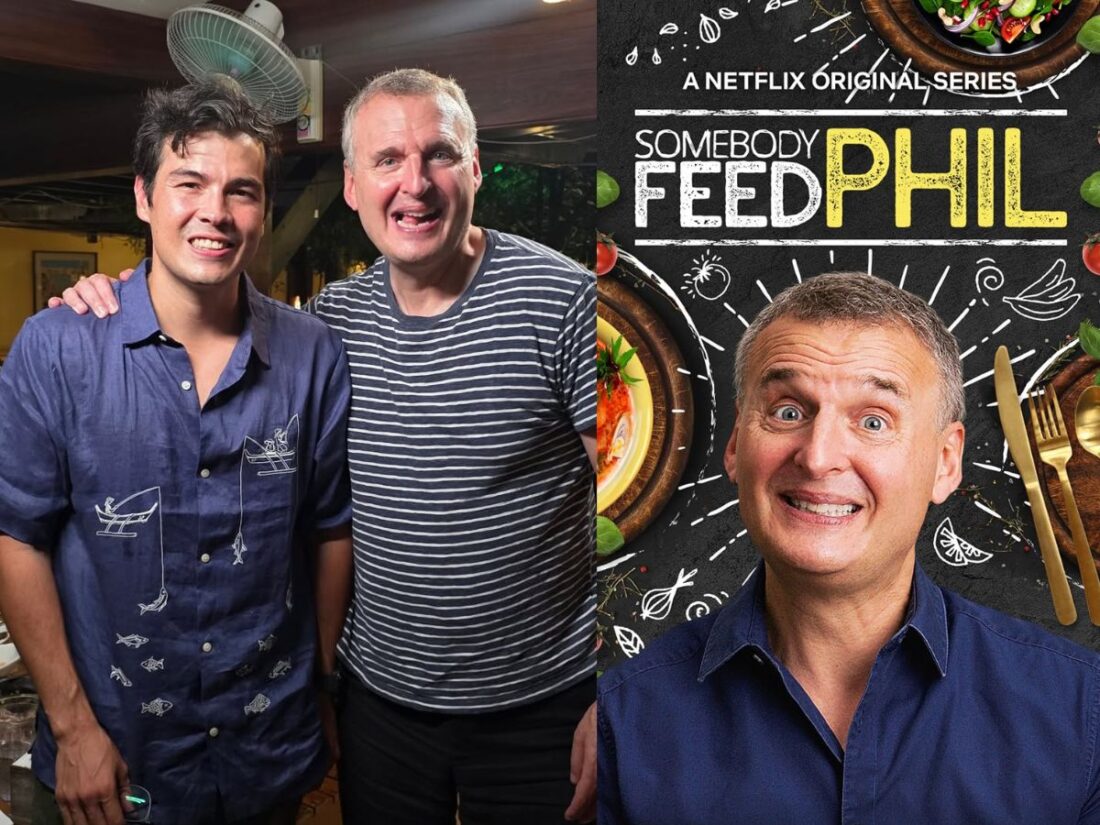
There’s something almost magical about the way food can transport us—not just across distances, but through time, memory, and culture. When Netflix’s Somebody Feed Phil first aired, it didn’t just introduce viewers to a charismatic host; it invited them into a world where every meal was a story, every restaurant a chapter, and every city a living cookbook. The show’s allure lies not just in the dishes themselves, but in the way they reveal the soul of a place. From the neon-lit alleys of Taipei to the sun-drenched plazas of Lisbon, the destinations featured in the series are more than just backdrops—they’re characters in their own right, each with a distinct flavor, rhythm, and heartbeat.
The Allure of Culinary Cartography: Why We’re Drawn to Food Tours in Cities
Humans have always been mapmakers, but not just of physical spaces—of experiences. Food tours in cities offer a way to decode a destination through its most intimate lens: the kitchen. When we follow a host through a bustling market or a tucked-away eatery, we’re not just tasting; we’re eavesdropping on centuries of tradition, migration, and innovation. The fascination with these tours stems from a deeper human need: to belong. By consuming the local cuisine, we temporarily become part of the narrative, even if just as guests at someone else’s table. It’s a form of cultural osmosis—where flavors become memories, and memories become identity.
Taipei: Where Night Markets and Noodles Tell a Thousand Stories
Taipei’s night markets are less like food hubs and more like open-air museums of Taiwanese ingenuity. The city’s obsession with night markets isn’t just about convenience; it’s a cultural ritual. At Shilin Night Market, the air hums with the sizzle of scallion pancakes and the clatter of oyster omelet spatulas. Here, every stall is a masterclass in contrast—crispy exteriors giving way to molten interiors, sweet sauces cutting through fiery chili. The Beitou Hot Spring Street offers a different kind of feast: steaming baskets of dumplings and mochi, their warmth mirroring the geothermal springs nearby. What makes Taipei’s food tours so compelling is how they balance chaos and harmony. The city’s history as a melting pot of Indigenous, Chinese, and Japanese influences is palpable in every bite, from stinky tofu (an acquired love) to the delicate art of xiaolongbao. It’s a reminder that the best meals are never just about sustenance; they’re about survival, adaptation, and joy.
Lisbon: Where Pastries and History Collide in Every Bite
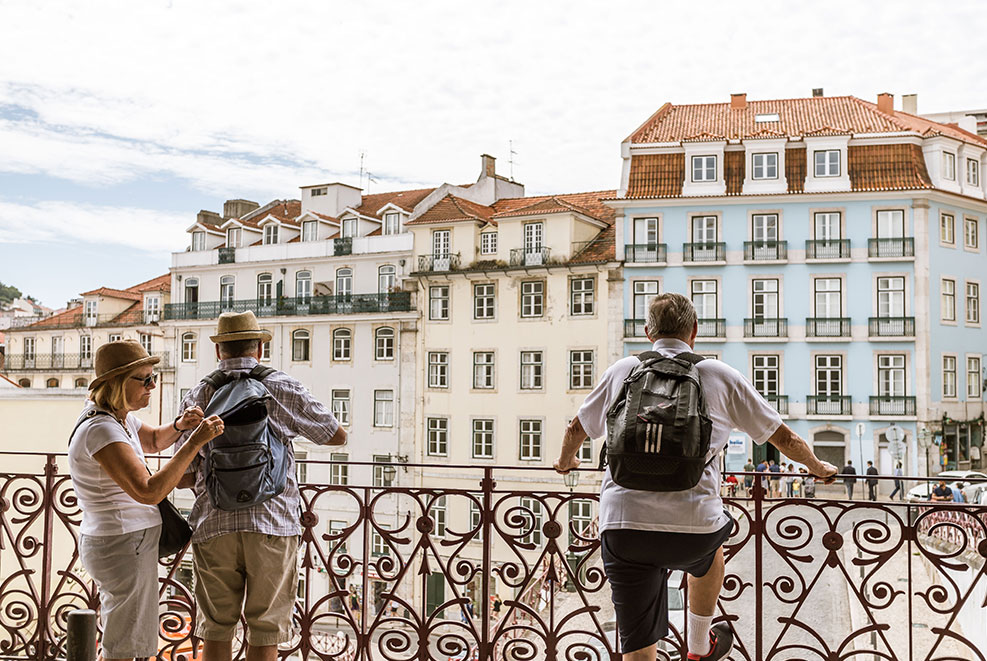
Lisbon’s culinary landscape is a palimpsest of Moorish spices, maritime trade, and modern reinvention. The city’s pastries, like the Pastéis de Belém, are edible time capsules—flaky, cinnamon-kissed custard tarts that have barely changed since the 18th century. But Lisbon’s food tours also reveal a quieter side of its gastronomy. At Time Out Market, a once-abandoned market hall has been reborn as a temple of Portuguese flavors, where bacalhau (salted cod) is elevated to an art form and petiscos (tapas) are served with the same reverence as a full meal. The city’s hilly streets and azulejo-tiled cafés add to the drama. Here, food isn’t just fuel; it’s a conversation between past and present. The Portuguese love of *saudade*—a bittersweet longing—infuses dishes like cozido (a hearty stew) and ginjinha (a cherry liqueur), proving that even in the most vibrant of cities, there’s always a trace of melancholy in the most delicious bites.
New Orleans: A Symphony of Spice, Soul, and Second Lines
New Orleans doesn’t just feed its visitors; it seduces them. The city’s food tours are a crash course in resilience and creativity, where African, French, Spanish, and Creole influences collide in dishes like gumbo and po’boys. At Dooky Chase’s Restaurant, a cornerstone of the Civil Rights Movement, the red beans and rice aren’t just a meal—they’re a testament to Black culinary innovation. The French Market, with its overflowing stalls of pralines and crawfish, is a sensory overload in the best way. But what truly sets New Orleans apart is its music. The city’s second lines—spontaneous brass-band parades—aren’t just for show; they’re a reminder that food and rhythm are both forms of communal celebration. To eat in New Orleans is to participate in a living tradition, where every bite tells a story of survival, resistance, and unapologetic joy.
Tokyo: Where Tradition and Innovation Collide at Every Corner
Tokyo’s food tours are a masterclass in contrasts. In Tsukiji Outer Market, the world’s most famous fish market, tuna auctions and sushi bars coexist with tiny stalls serving tamagoyaki (sweet omelets) that taste like childhood. The city’s izakayas (pub-eateries) offer a different kind of intimacy, where salarymen and salarywomen unwind over yakitori and sake. But Tokyo’s true magic lies in its ability to honor tradition while embracing the future. At Nakiryu, a Michelin-starred ramen shop, the broth is simmered for 18 hours, a nod to centuries-old techniques. Yet, just a few blocks away, robot cafés and themed restaurants cater to a new generation. Tokyo’s food tours reveal a city that’s both a museum and a laboratory—a place where the past is always present, but never stagnant.
Istanbul: Where the Bosphorus Feeds the Soul
Istanbul’s culinary identity is a bridge between Europe and Asia, Christianity and Islam, history and modernity. The Spice Bazaar is a labyrinth of color and scent, where saffron, sumac, and dried figs spill from stalls like edible treasure. At 360 Istanbul, a rooftop restaurant with panoramic views, meze platters become a journey through the Ottoman Empire’s culinary legacy. But Istanbul’s food tours also highlight the city’s resilience. The Balat district, with its crumbling Ottoman houses and hidden cafés, offers a taste of a gentrification that’s both heartbreaking and hopeful. Here, food isn’t just sustenance; it’s a way of preserving identity in the face of change. The city’s famous baklava, with its layers of phyllo and pistachio, is more than a dessert—it’s a symbol of patience, precision, and the sweetness of survival.
Buenos Aires: Where Meat and Memory Are One
Buenos Aires doesn’t just serve steak; it serves history. The city’s parrillas (steakhouses) are temples of *asado*, a ritual of fire and flesh that dates back to the gauchos (cowboys) of the Pampas. At Don Julio, one of the world’s best parrillas, the bife de chorizo (sirloin) is so tender it melts like butter. But Buenos Aires’ food tours also reveal a city grappling with its past. The Mercado de San Telmo, with its antique stalls and tango shows, is a reminder of the city’s European roots and its struggle for identity. The empanadas, stuffed with beef, cheese, or humita (creamy corn), are a bite-sized history lesson—each fold of dough a story of migration and adaptation. In Buenos Aires, food isn’t just about taste; it’s about time.
The Deeper Reason We’re Obsessed with These Food Tours
At its core, the fascination with food tours in cities is about more than just eating. It’s about the human desire to connect—to places, to people, to stories. In a world that often feels fragmented, these tours offer a way to stitch together the loose threads of our globalized lives. They remind us that culture isn’t something we consume passively; it’s something we participate in, one bite at a time. Whether it’s the smoky depths of a Neapolitan pizza in Naples or the tangy kick of a Bangkok som tam, these meals become part of our own narratives. They’re the reasons we remember a city long after we’ve left its streets. And perhaps that’s the real magic of Somebody Feed Phil—it doesn’t just show us where to eat. It shows us how to belong.