War movies carve their narratives not just in the scripted drama of heroes and villains, but in the very landscapes they traverse—each location a silent witness to history, each frame a testament to the raw power of place. From the blood-soaked sands of Normandy to the mist-laden cliffs of England, these cinematic battlegrounds transcend their fictional origins, becoming pilgrimage sites for film enthusiasts and history buffs alike. They are not mere backdrops; they are characters in their own right, whispering secrets of the past through every rustle of wind and every ripple of water. Let us embark on a journey across five of the most evocative filming locations that have shaped some of cinema’s most unforgettable war epics.
The Sacred Sands of Curracloe: Where D-Day Was Reborn in Celluloid
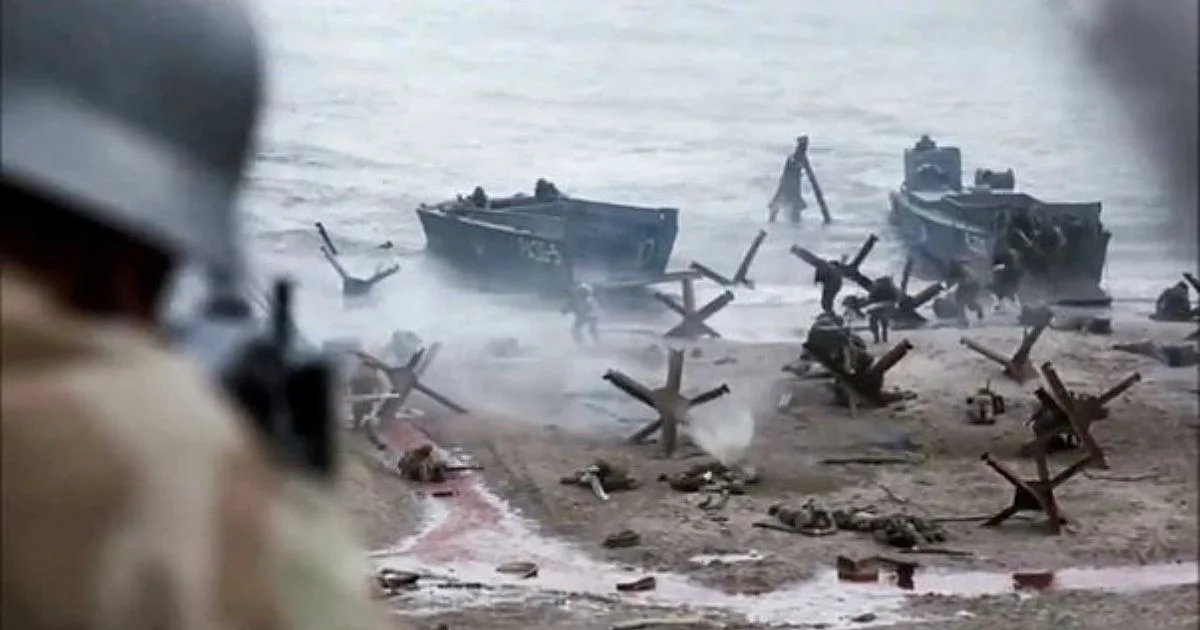
Imagine standing on a beach where the Atlantic’s breath is salty and sharp, where the horizon stretches like an unbroken spine of blue. This is Curracloe, a stretch of coastline in County Wexford, Ireland, that bore witness to one of cinema’s most harrowing recreations of D-Day. Steven Spielberg’s Saving Private Ryan transformed these golden dunes and churning waves into a visceral tableau of chaos and courage. The beach’s raw, untamed beauty—its windswept grasses bending like supplicants before the ocean’s might—lends an authenticity that no studio set could ever replicate. Here, the sand is not just a surface; it is a relic, a canvas where the ghosts of 1944 seemed to rise again, their echoes embedded in every grain. To walk its length is to tread where thousands of young men once faced the fury of war, their fates sealed in the cold embrace of the tide.
The Haunting Fields of Wiltshire: Where 1917’s Trench Warfare Comes Alive
In the heart of England’s Wiltshire, a landscape of rolling meadows and whispering barley fields hides a darker history—one that Sam Mendes’ 1917 brought to life with breathtaking immediacy. The film’s trench sequences, though largely shot on soundstages, were meticulously designed to mirror the real-life battlefields of northern France. Yet, the surrounding countryside of Wiltshire, with its undulating hills and ancient hedgerows, served as the perfect muse for the film’s visual poetry. The fields here are not mere pastoral idylls; they are scarred by centuries of plowing, their soil rich with the bones of the forgotten. The golden light of dawn breaking over these lands feels like a benediction, a fleeting moment of peace before the storm of war. It is as if the earth itself remembers the horrors it has endured, and the camera captures that memory in every frame.
The Clifftop Vigil of Dunkirk: Where the Sky and Sea Bear Witness
Dunkirk’s beaches are not just stretches of sand; they are the stage upon which one of history’s most desperate evacuations unfolded. Christopher Nolan’s Dunkirk transformed these shores into a cinematic crucible, where time itself seemed to fracture under the weight of survival. The cliffs of Dunkirk, jagged and unyielding, loom over the English Channel like the stern guardians of a forgotten tale. The waves here are not gentle; they are relentless, their rhythm a metronome counting down the seconds to salvation or doom. To stand atop these cliffs is to feel the weight of history pressing down, the air thick with the salt of tears and the echoes of engines roaring toward the horizon. The beach below is a graveyard of hope and despair, where every footprint in the sand is a story half-told.
The Forgotten Trenches of Northern France: Where the Earth Still Bleeds
Beneath the serene surface of northern France’s countryside lies a labyrinth of trenches, silent sentinels of a war that scarred the earth itself. These are not mere relics; they are the veins of a battlefield that refused to heal. Films like Paths of Glory and All Quiet on the Western Front have drawn inspiration from these hallowed grounds, where the soil is dark with the remnants of conflict. The trenches here are not just depressions in the ground; they are the scars of a nation’s grief, their walls whispering the names of the fallen. The poppies that bloom in these fields are not just flowers; they are the blood of the earth, a reminder that even in peace, the past is never truly buried.
The Mist-Shrouded Moors of Scotland: Where Braveheart’s Legacy Lingers
Scotland’s moors are not just landscapes; they are characters in their own right, their misty expanses and rugged terrain evoking a sense of timelessness. While not a traditional war movie, Braveheart’s depiction of Scottish rebellion against English rule was filmed in these very moors, where the wind carries the whispers of clans long gone. The heather here is not just purple; it is a shroud, a blanket of color that hides the bones of warriors beneath. The lochs reflect not just the sky but the faces of the past, their waters as dark and deep as the secrets they hold. To traverse these moors is to walk in the footsteps of those who fought for freedom, where every gust of wind feels like a breath from the past.
The allure of these filming locations lies not just in their historical significance, but in their ability to evoke emotion through their very essence. They are places where the past and present collide, where the weight of history is felt in the air, and where the stories of war are etched into the land itself. To visit them is to step into the frame of a movie, to become part of a narrative that transcends time. These are not just locations; they are living testaments to the power of cinema and the indelible mark it leaves on the world.