Few places on Earth weave cinematic magic into their very fabric like Morocco. This North African jewel, with its ochre-hued kasbahs and labyrinthine medinas, has long served as a living canvas for filmmakers seeking to transport audiences to worlds beyond reality. From the blood-soaked sands of ancient Rome to the mythic realms of Westeros, Morocco’s landscapes have lent their raw, untamed beauty to some of the most iconic films and television series of our time. But what is it about this land of contrasts—where the Atlas Mountains kiss the Sahara’s edge—that makes it such an irresistible muse for storytellers? The answer lies not just in its visual splendor, but in the way its spaces seem to hum with untold stories, waiting to be captured on celluloid.
The Golden Citadel of Aït Benhaddou: A Time-Worn Sentinel of History
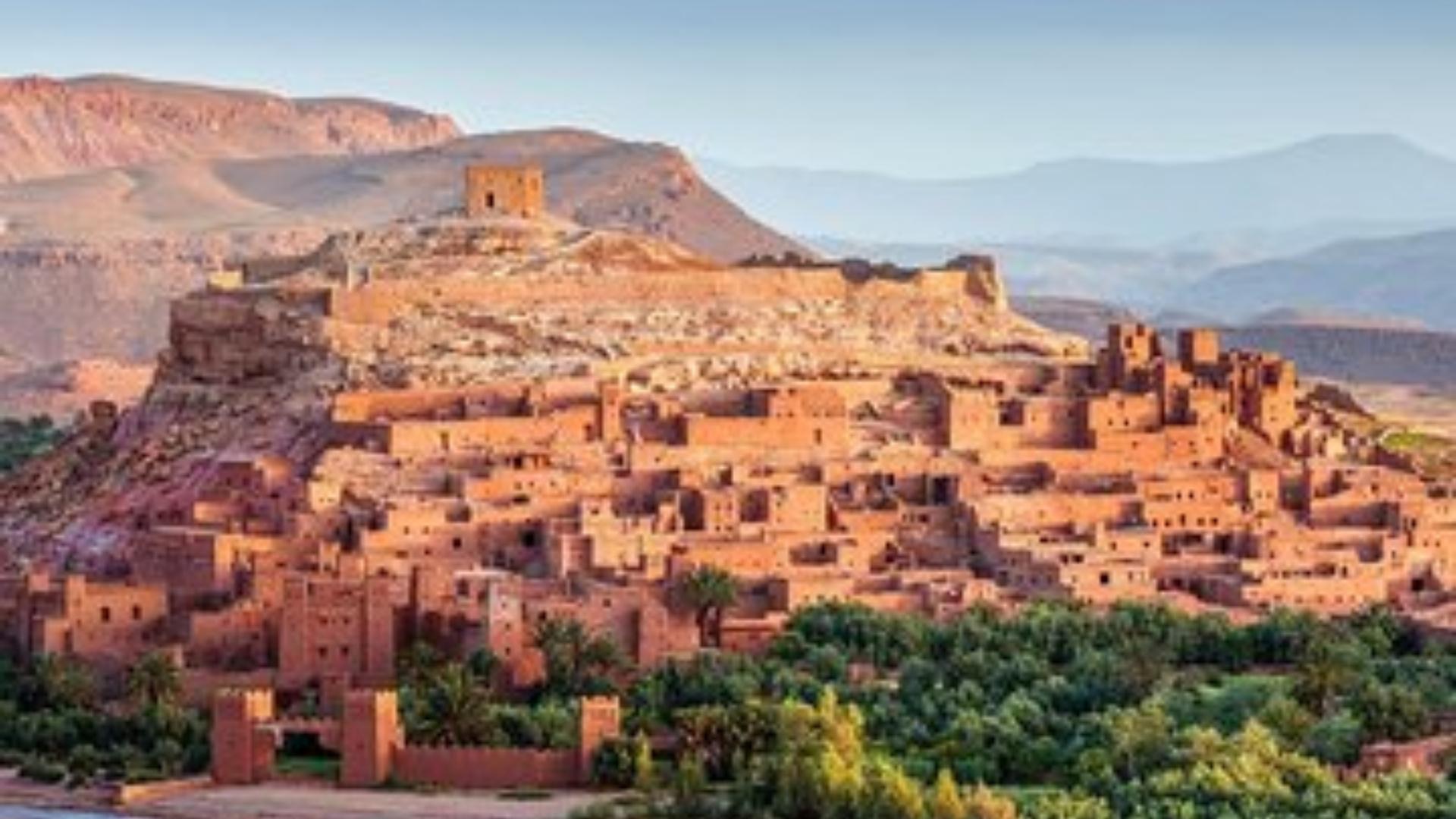
Perched on a hillside in the foothills of the High Atlas Mountains, Aït Benhaddou is a fortified village that has stood sentinel for nearly a thousand years. Its earthen walls, weathered by centuries of sun and wind, glow amber in the late afternoon light, as if lit from within. This UNESCO World Heritage Site is more than a relic; it’s a character in its own right. In Gladiator, it doubled as the ancient city of Zucchabar, where Maximus first glimpses the brutality of Roman rule. The labyrinthine alleys and towering granaries create a claustrophobic tension, mirroring the protagonist’s descent into despair. Yet, there’s a paradox here: Aït Benhaddou feels both eternal and fleeting, a place where time seems to fold in on itself. Its crumbling walls whisper of empires risen and fallen, making it the perfect backdrop for stories that demand a sense of history’s weight.
The Dunes of Merzouga: Where the Sahara Breathes Cinematic Life
Few landscapes evoke the vast, untamed unknown like the Erg Chebbi dunes near Merzouga. These towering golden waves shift with the wind, their surfaces rippling like the surface of an ocean frozen mid-storm. In Game of Thrones, these dunes stood in for the Dothraki Sea, where Daenerys Targaryen first claimed her destiny. The dunes are more than a set piece; they’re a living entity, shifting with the seasons, swallowing and revealing secrets over time. Filmmakers are drawn to this place because it feels alive, almost sentient. The way the light fractures across the crests at dawn or the way shadows stretch like fingers at dusk creates a visual poetry that no studio could replicate. Here, the desert isn’t just a location—it’s a co-star, its moods dictating the rhythm of the narrative.
The Blue City of Chefchaouen: A Dream Painted in Cobalt
Chefchaouen, with its winding blue-washed streets and staircases that defy gravity, feels plucked from a surrealist’s imagination. This mountain town, nestled in the Rif Mountains, has become a pilgrimage site for travelers and filmmakers alike. Its ethereal color palette—shades of azure and cerulean that shift with the light—has graced the frames of films like Inception, where its dreamlike quality mirrors the film’s exploration of reality and illusion. The town’s labyrinthine alleys force visitors to slow down, to lose themselves in the maze, much like the characters in Inception lose their grip on what’s real. Chefchaouen’s allure lies in its ability to disorient, to make the mundane feel magical. It’s no wonder that filmmakers flock here; the town doesn’t just provide a backdrop—it becomes a character, one that challenges perceptions of space and time.
The Atlas Film Studios: Where Hollywood Meets the Sahara
Just outside Ouarzazate, the “Gateway to the Desert,” lies the Atlas Film Studios, a sprawling complex that has hosted some of cinema’s most ambitious productions. This is where Gladiator’s battle scenes were staged, where the sands of time seem to stretch endlessly under the Moroccan sun. The studios are a paradox: a place of artifice that feels more real than reality itself. The sets—replicas of ancient Rome, medieval castles, and futuristic cities—are built to withstand the elements, yet they’re designed to look like they’ve been carved by time. Filmmakers choose these studios because they offer the best of both worlds: the authenticity of Morocco’s landscapes combined with the control of a controlled environment. Here, the line between past and present blurs, allowing stories to unfold in a space that feels both ancient and timeless.
The Valley of the Roses: A Fragrant Escape from the Ordinary
Nestled between the High Atlas and the Little Atlas Mountains, the Valley of the Roses is a ribbon of green cutting through the arid landscape. In spring, the air is thick with the scent of blooming roses, their petals harvested to create the world’s finest rose water. This valley has served as a serene escape in films like Game of Thrones, where it stood in for the Vale of Arryn. The contrast between the lush greenery and the surrounding desert is striking, a visual metaphor for hope and resilience. Filmmakers are drawn to this place because it offers a rare respite from the harshness of other Moroccan landscapes. The valley’s beauty is deceptive; it’s not just a pretty backdrop, but a place where stories of renewal and rebirth unfold naturally. Here, the land itself seems to nurture the narratives that pass through it.
The Kasbah of Taourirt: A Forgotten Palace of Power and Intrigue
The Kasbah of Taourirt, in the heart of Ouarzazate, is a crumbling palace that once housed the Glaoui family, Morocco’s most powerful caids in the early 20th century. Its fortified walls and intricate tilework tell a story of opulence and betrayal, of power wielded and lost. In Gladiator, it served as the palace of Emperor Commodus, a gilded cage for a man consumed by his own ambition. The kasbah’s decaying grandeur is a stark reminder of the impermanence of power. Filmmakers are drawn to Taourirt because it embodies the duality of Morocco itself: a land of beauty and brutality, where the past is both revered and inescapable. The kasbah’s labyrinthine halls and shadowy courtyards create an atmosphere of suspense, making it the perfect setting for stories of political intrigue and moral ambiguity.
The Waterfalls of Ouzoud: Where Nature’s Fury Meets Cinematic Serenity
Tucked away in the Middle Atlas Mountains, the Ouzoud Waterfalls are a spectacle of raw, unfiltered nature. The cascading waters, plunging 110 meters into the valley below, create a mist that hangs in the air like a veil. These falls have served as a tranquil escape in films like Inception, where their ethereal beauty contrasts with the chaos of the dream world. The waterfalls are more than a pretty sight; they’re a force of nature, shaping the landscape around them. Filmmakers are drawn to Ouzoud because it offers a rare moment of stillness in a world that often feels frenetic. The falls’ power is both calming and awe-inspiring, a reminder that nature is the ultimate storyteller, its rhythms dictating the pace of life itself.
The Medina of Fes: A Labyrinth Where Time Stands Still
The medina of Fes is a maze of alleyways so narrow that sunlight barely penetrates their depths. The air is thick with the scent of spices and leather, the sounds of vendors haggling and the call to prayer echoing off ancient walls. This is one of the world’s largest car-free urban areas, a place where modernity seems to have bypassed time itself. In Game of Thrones, Fes stood in for the Free Cities, a place of intrigue and danger. The medina’s labyrinthine streets force visitors to surrender to the unknown, much like the characters in Game of Thrones must navigate a world where alliances shift like sand. Filmmakers are drawn to Fes because it feels like stepping into another era, a place where the past isn’t just remembered—it’s lived. The medina’s ability to disorient and enchant makes it a perfect setting for stories that demand a sense of mystery and discovery.