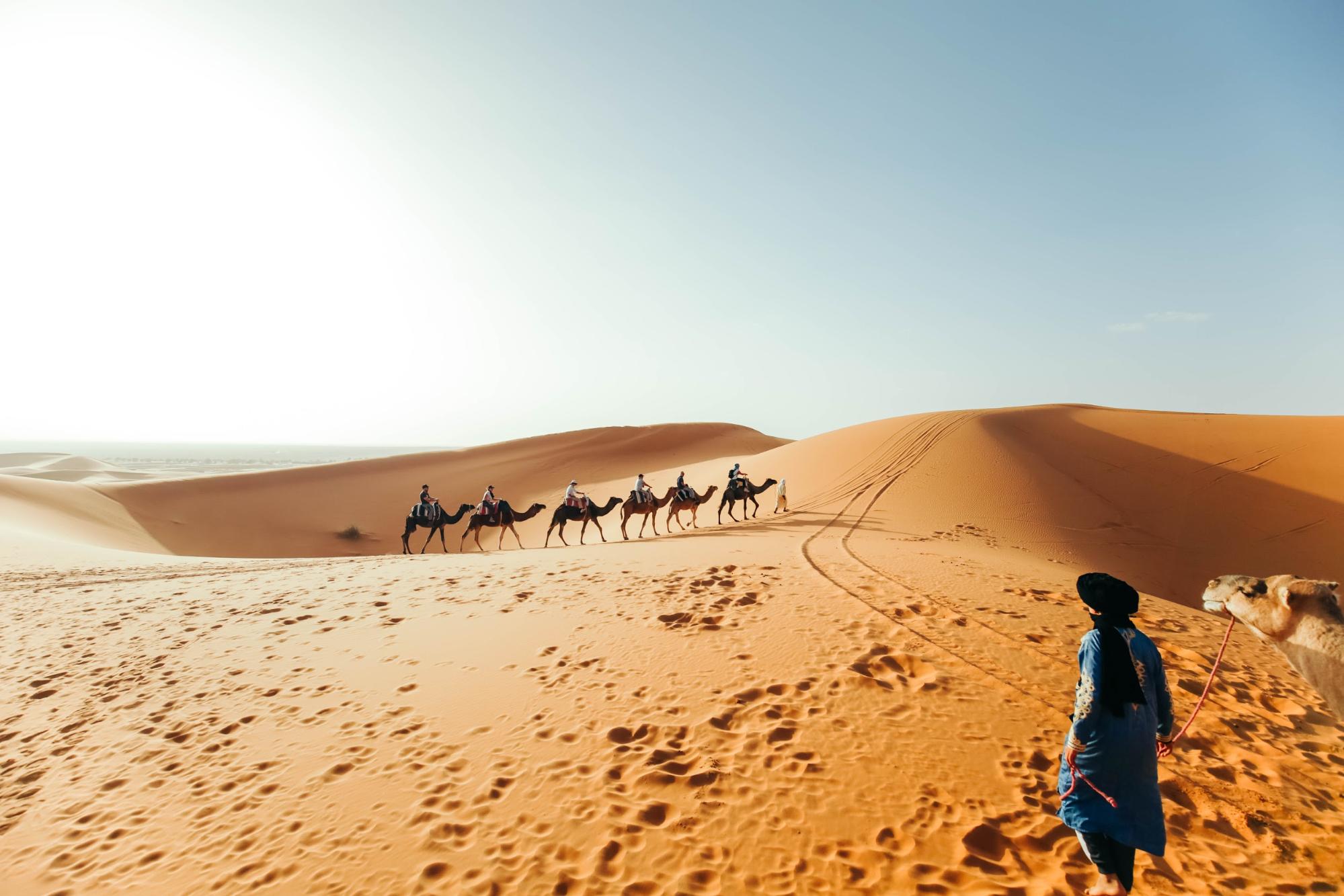
In an era defined by rapid movement and instant gratification, slow travel emerges as an intentional countercurrent—a philosophy that values the richness of experience over the mere act of arrival. It champions a mindful pace, encouraging travelers to savor each moment, delve deeper into local cultures, and foster genuine connections. The Slow Travel Manifesto is more than a guideline; it is an invitation to transform the way we journey by embracing the voyage as an integral part of the adventure itself.
The Essence of Slow Travel: Beyond the Checklist
Slow travel repudiates the hurried itinerary, the ticking clock, and the relentless race from one tourist hotspot to another. It advocates for a deliberate deceleration, where the focus shifts from quantity to quality. This approach invites travelers to linger, observe nuances, and absorb the atmosphere of a place with all senses engaged. Rather than experiencing a destination as a fleeting backdrop, slow travel encourages fostering a profound relationship with its environment and people.
At its core, slow travel is about relinquishing control and embracing unpredictability. It encourages spontaneous detours down unmarked paths and fosters an openness to serendipitous encounters. This ethos enriches the journey, turning travel into a personal and transformative experience.
Types of Content to Explore in Embracing Slow Travel
The Slow Travel Manifesto can be unraveled through varied types of content that inspire, educate, and equip travelers to immerse themselves authentically. Readers can expect workshops on cultural immersion that elucidate indigenous customs, culinary traditions, and linguistic nuances—themes that highlight how slow travel transcends sightseeing to become an act of respect and curiosity.
Additionally, narrative travelogues recounting slow journeys offer compelling insights. These stories unpack the cadence of day-to-day life in different locales, emphasizing moments that often escape fast-paced tourism: immersive conversations, local festivals, and communal rituals. Documentary-style essays delve into the philosophy underpinning slow travel, laying bare its environmental and social implications.

From practical guides to reflective journals, these diversified formats collectively enrich the reader’s understanding and engagement with slow travel.
Cultivating Mindfulness and Presence During the Journey
Slow travel demands a heightened state of mindfulness—being fully present and attuned to the surroundings without rushing toward the end goal. This conscious attentiveness allows the traveler to notice subtle details: the gentle rustle of leaves, the intricate craftsmanship of an ancient doorway, or the rhythm of conversations at a local café.
The practice of journaling, photography, and sketching during travel encourages introspection and fosters a deeper appreciation of transient moments. Mindfulness in movement also critiques modern travel’s contribution to environmental degradation, prompting choices that are ecologically responsible, such as favoring walking, cycling, or public transportation over fast and polluting alternatives.
Fostering Authentic Connections with Local Communities
Slow travel transforms interaction with locals from superficial encounters to meaningful exchanges. By extending the time spent in one place, the traveler gains opportunities to understand local lived experiences, participate in community events, and even engage in collaborative projects such as artisan workshops or ecological restoration initiatives.
These authentic connections dismantle cultural barriers and cultivate empathy, contributing to a more equitable and respectful form of tourism. The traveler becomes not a mere observer but a participant, enriching both parties through shared narratives and mutual learning.
Embracing Sustainable and Responsible Travel Practices
Integral to the Slow Travel Manifesto is a commitment to sustainability. By moving deliberately, travelers reduce their carbon footprint and minimize the strain on overtouristed destinations. Choosing accommodation options like homestays or eco-lodges supports local economies and encourages sustainable development.
Slow travel also entails consuming thoughtfully—savoring local cuisine prepared with seasonal ingredients, purchasing handmade crafts instead of mass-produced souvenirs, and respecting environmental guidelines within protected areas. This conscientious approach fosters a harmonious coexistence between travelers and the planet they traverse.
Recalibrating Time and Space: The Psychological Benefits of Slow Travel
The deceleration inherent in slow travel offers profound psychological reprieve. It cultivates a sense of spaciousness within the mind, allowing for reflection and rejuvenation. Distance from a fast-paced routine encourages clarity, creativity, and a renewed zest for life.
Slow travel often leads to a redefinition of personal metrics for success. The joy of a trip is no longer measured by the number of landmarks ticked off but by the depth of experience and emotional resonance. This shift has potential lasting effects, fostering intentional living and a mindful approach to life’s rhythms beyond travel itself.
Integrating Slow Travel into Modern Lifestyles
Adapting slow travel principles to contemporary life may require reimagining travel habits. It could manifest through extended stays in one location, working remotely while immersing in local culture, or choosing less popular destinations to avoid crowds.
Technology, often perceived as a disruptor to slow living, can paradoxically support this movement by enabling flexible work arrangements and providing rich, localized information that fosters deeper exploration. Nonetheless, the challenge remains to maintain a balanced use of digital tools to ensure they enhance rather than eclipse the sensory experience of travel.
Conclusion: The Transformative Power of Embracing the Journey
Ultimately, the Slow Travel Manifesto is an ode to the journey itself, urging us to slow down, open our hearts, and savor each encounter with reverence. It challenges the prevailing narrative of speed and optimization, inviting travelers to partake in a richer, more meaningful mode of discovery.
By adopting this philosophy, travel transforms from a checklist of destinations into a mosaic of experiences that shape perspectives, nurture connections, and restore a sense of wonder. In embracing slow travel, we unlock the profound beauty of being truly present—not just in places but in life.