Embarking on a sojourn through the multifaceted tapestry of India is akin to leafing through an ancient manuscript, each page textured with stories of mysticism, color, and an unyielding spirit of life. To immerse oneself for an entire month, journeying through the sprawling deserts of Rajasthan, the sanctified ghats of Varanasi, and the serene waterways of Kerala’s backwaters, is to experience a symphony of contrasts — where time dilates and every moment invites contemplation. This slow immersion reveals India not as a mere destination, but as an evocative metaphor for existence itself: a riveting interplay between the eternal and the ephemeral.
Rajasthan: The Desert’s Poetic Majesty
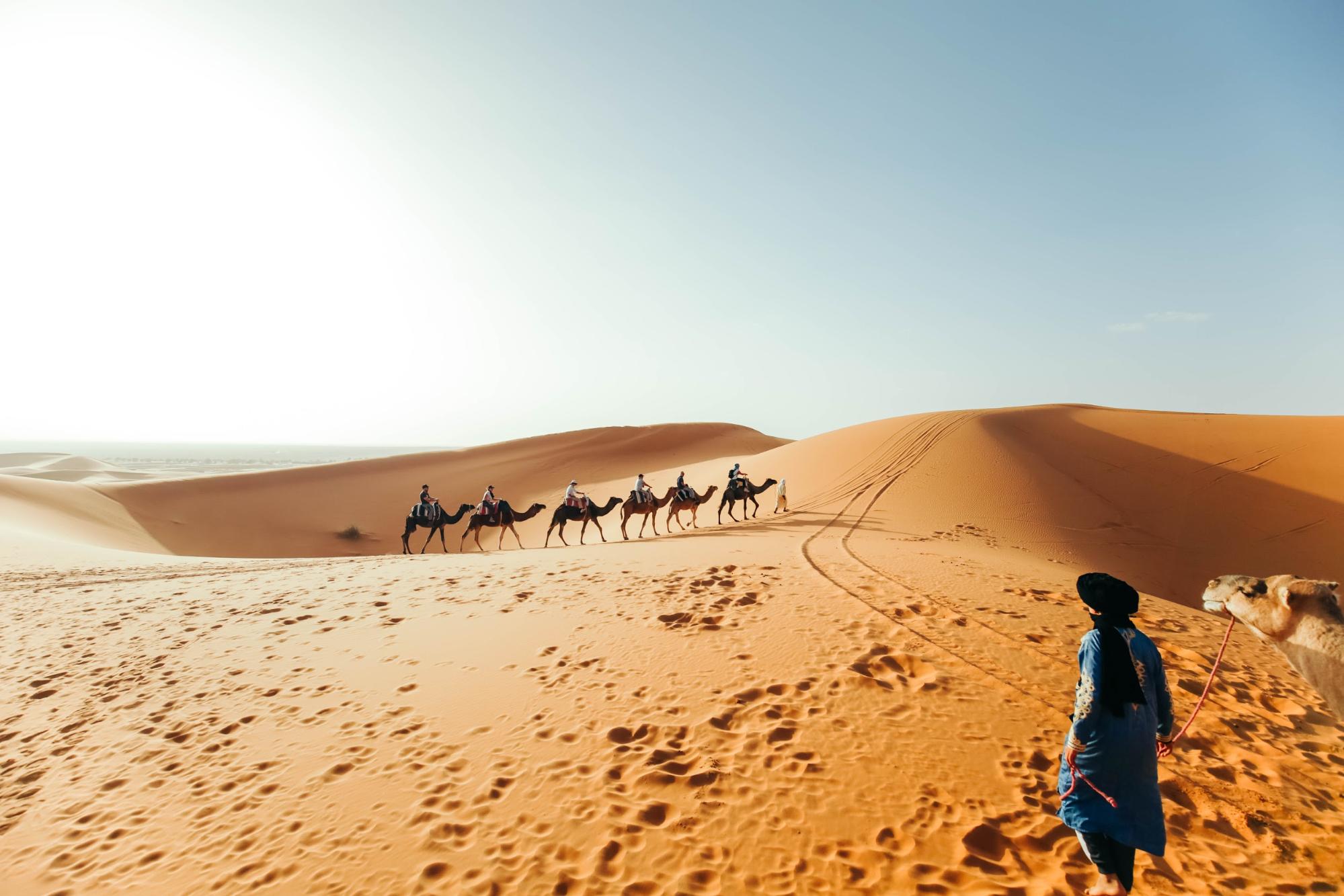
Rajasthan unfurls like an intricately embroidered tapestry at dawn, when the infinite sands cast their gilded glow over formidable fortresses and bustling bazaars. This land, where history whispers from every sandstone wall, is a kingdom of majestic palaces and vibrant traditions, ensconced within miles of ochre desert plains. Its allure is not only in the grandeur of architectural marvels like the Amber Fort or City Palace, but in the subtle poetry of daily life — the clang of artisans’ hammers, the aromatic waft of masalas mingling with desert winds, and the kaleidoscopic hues of turbans swaying through narrow lanes.
Here, time slows; centuries coexist in parallel. The desert teaches patience and resilience, qualities reflected within the warm hospitality of the Rajput culture. Each village feels like a living museum, but one that breathes and evolves, where storyteller elders and vibrant folk dancers keep ancient myths aflame. Rajasthan’s deserts are not barren vastitudes but pulsating veins of history, where the horizon’s mirage is a metaphor for the elusive quest of enlightenment — beautiful, elusive, and endlessly captivating.

Varanasi: The Eternal Confluence of Life and Death
Varanasi is the beating heart of India’s spiritual consciousness, where the sacred river Ganges flows like a molten artery feeding the soul of a civilization. To visit Varanasi is to walk the narrow alleys where the mundane and the divine interlace fervently, amid dawn-lit ghats thrumming with prayers, rituals, and the ceaseless rhythm of life’s culminating moments. It is a city where mortality is serenaded with reverence, and death is not an end but a transcendental passage — a burning pyre transforming earthly flesh back to cosmic essence.
The ghats are stages for choreographed rituals and intimate encounters with eternity. Dawn boat rides reveal a spectacle beyond words: saffron-robed priests chanting mantras, pilgrims immersing themselves in the purifying waters, and incense smoke curling upwards like ephemeral smoke signals to the heavens. The cacophony of conch shells, temple bells, and street vendors creates a soundscape that feels at once chaotic and divinely orchestrated.
In this city, every corner is an allegory. The labyrinthine alleyways reflect the twisting pilgrimage of the soul, winding towards liberation. The constant presence of both life and death here is a poignant reminder of impermanence, encouraging profound introspection and a deeper appreciation for the fragile beauty of existence itself.

Kerala Backwaters: Liquid Tranquility and Timeless Whispers
There comes a moment when the frenetic pulse of mainland India recedes into a gentle heartbeat. This arrival breathes in the emerald-laced labyrinth of the Kerala backwaters — a silken web of languorous canals, shimmering lakes, and sleepy villages where time assumes a liquid form. Here, the slow immersion culminates in an exquisite tranquility, a suspended reality where every ripple mirrors the skies, and verdant palms lean in to kiss the mirrored waters.
Gliding through these waterways on a traditional houseboat is akin to drifting within a living watercolor painting. Each bend reveals a vignette of everyday life: fishermen casting nets in rhythmic ballet, children playing along muddy shores, and coconuts dangling like jewels in the dappled sunlight. The backwaters illustrate an India that surrenders to nature’s cadence — vibrant yet unhurried, lush yet unassuming.
Kerala’s famed ayurvedic traditions and regional cuisine add sensory depth to this experience. The heady aroma of coconut oil massages mingles with the tang of tamarind and cardamom-infused dishes, enriching mind and body. This region is an eloquent metaphor for harmony — a delicate balance between human existence and the natural world, inviting slow transformation through mindful presence.

Embracing Slow Immersion: The Art of Savoring India
To traverse these disparate regions in a single month is not merely to witness India’s stunning panoramas, but to peel back layers of its soul with measured curiosity. Slow immersion invites a surrender to serendipity — allowing moments of quiet contemplation amidst the chaos, and finding poetry in the pauses. It rejects the tourist’s urge to consume, opting instead for an attuned exploration marked by meaningful interactions and reflective reverence.
Each locale serves as a metaphorical stanza in a vast epic poem: Rajasthan’s fiery sonnets of valor and survival, Varanasi’s profound elegies of life and death, and Kerala’s tranquil haikus of harmony and nature. Through this itinerary, one learns that India is not a linear journey but a spiraling dance where the external and internal worlds swirl and envelop each other.
Slow immersion transforms travel from a checklist of sights into a transformative inner voyage. It beckons the traveler to linger — in a desert market’s vibrant mosaic, on a riverbank steeped in sacred chants, or aboard a houseboat kissed by the setting sun — and to embrace the ineffable magic of a land that defies definition, yet leaves an indelible imprint on the heart.