Embarking on a journey is often likened to flipping through the pages of a well-worn novel — some travelers rush eagerly from chapter to chapter, skimming to reach the climax, while others savor every word, lingering over descriptions and nuances that bring the story to life. This deliberate, mindful approach to exploring new places — known as slow travel — transforms an itinerary from a mere checklist into an immersive narrative, rich with texture, flavor, and unexpected revelations. But what does slow travel actually look like when unpacked beyond the philosophy? Let’s traverse the winding paths of real-life examples that embody the rhythm and sensibility of slow travel, illuminating its enchanting appeal.
The Art of Lingering: Embracing Place Through Time
Slow travel is less a frantic sprint and more the unhurried stroke of an artist’s brush across canvas. It is the act of carving out time not just to see, but to feel. Imagine spending an entire week in a small coastal village where the days melt into one another like honey dripping slowly from a comb. Here, mornings might be spent greeting fishermen unloading their catch, afternoons wandering through local markets woven with the scent of fresh herbs and sun-baked bread, and evenings lost in the gentle clatter of neighborhood cafés. This extended embrace allows for a deeper connection—a familiarity that reveals the soul of a place.

Such immersion contrasts sharply with the conventional whirlwind travel, where destinations are fleeting pins on a map. Through lingering, travelers uncover the subtle rhythms and seasonal shifts otherwise hidden behind hurried itineraries — a detail to savor, an anecdote shared by a local, the evolution of a landscape over days rather than hours.
Culinary Journeys: Savoring Culture Bite by Bite
Food, often called the universal language of culture, exemplifies the slow travel ethos profoundly. Slow travel turns dining into a multi-sensory exposition, rather than a quick refueling stop. Picture sitting for hours at a family-run trattoria in the Italian countryside, where every dish tells a story — from hand-rolled pasta shaped by generations of tradition to carefully poured olive oil pressed from locally harvested fruit. Here, the pace slows to match the leisurely unfolding of courses and conversations, each morsel a portal into the heritage of the land.
By embracing this method, travelers transform into gastronomes, absorbing lessons in sustainability, seasonality, and community that fast-food tourism glosses over. The slow savoring of meals reflects a broader commitment to honoring the place — its people, its practices, its history — and encourages a genuine appreciation rather than superficial consumption.
Walking as Meditation: The Slow Travel Footprint
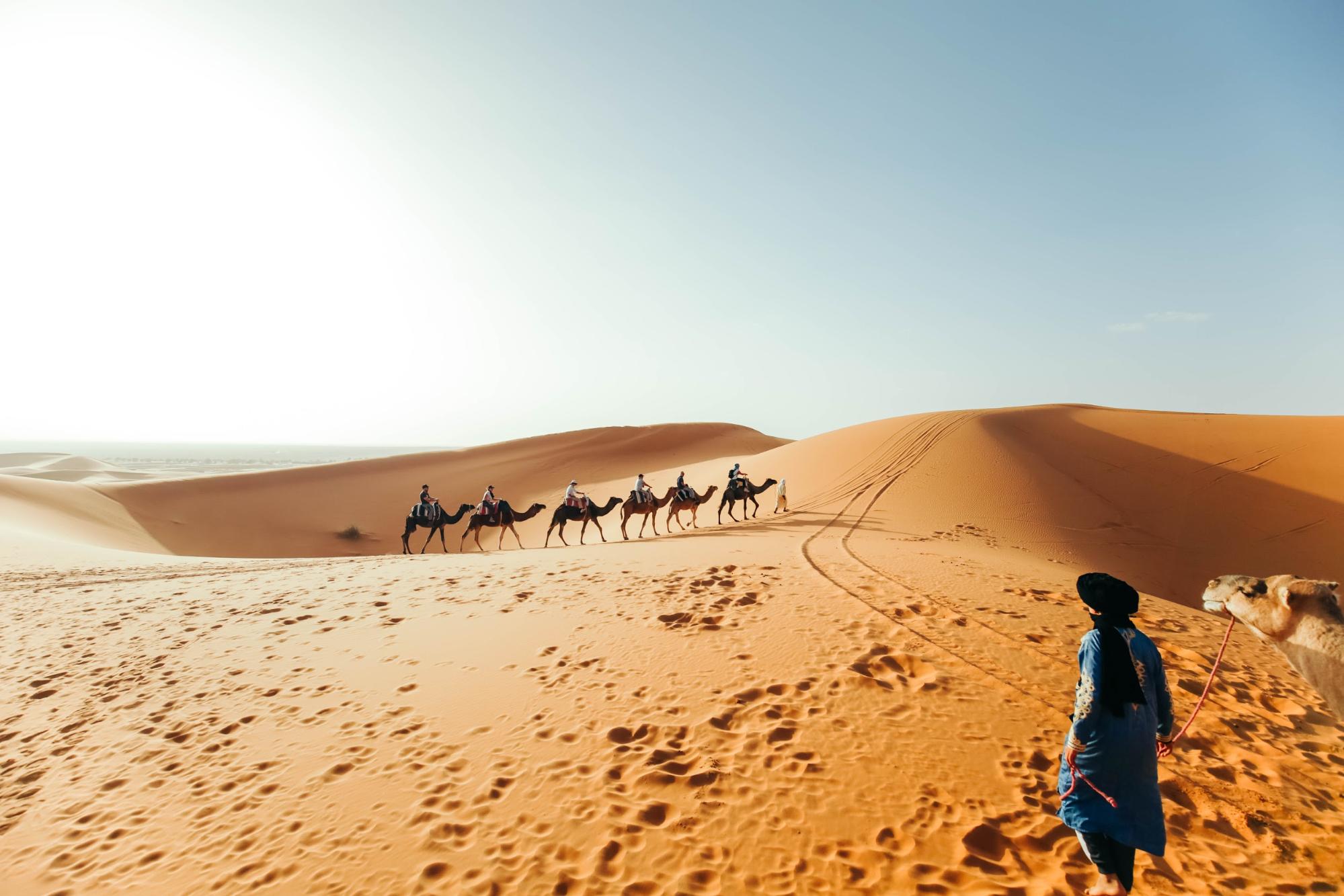
Steps are the heartbeat of slow travel. Walking, with its intimate pace, offers a tactile understanding of space, scale, and humanity. Real-life examples abound in the pilgrimages and nomadic wanderings where movement itself becomes as significant as the destination. Consider the Camino de Santiago, where pilgrims journey day after day at a walking rhythm, enveloped in landscapes that shift subtly yet meaningfully. Here, movement serves as a contemplative act, allowing travelers to mentally and physically digest the world around them.
Unlike zip-lining across a country in hours, walking invites serendipity—a chance encounter with a roadside garden, a hidden chapel, or a stranger’s story. This humble mode of travel reclaims the lost art of observation. Each step unfolds history underfoot, breathes texture into the journey, and expands the traveler’s temporal and emotional footprint.
Living Like a Local: Deep Integration Over Surface Exploration
Slow travel’s beating heart lies in genuine community engagement. This often involves swapping hotels for home-stays, turning off guidebook-driven routes, and learning local customs firsthand. Imagine spending a season in a Japanese ryokan, awakening to rhythmic temple bells and participating in tea ceremonies—practices that tether traveler and tradition. Such experiences dissolve the tourist gaze, replacing it with a participant’s perspective.
Language lessons, volunteer projects, or artisanal apprenticeships offer more than souvenirs—they cultivate empathy and a nuanced understanding of everyday life. Slow travelers become part of the mosaic, adding layers to their personal journey while enriching the locale with reciprocal curiosity and respect. This integration transcends transactional travel, creating enduring bonds and lasting memories.
The Beauty of Patience: Accepting Stillness and Uncertainty
At its core, slow travel teaches a radical patience seldom practiced in contemporary life. Vacations packed with back-to-back tours might leave little room for the ineffable magic found in stillness. Slow travel, conversely, is an unhurried dance where waiting becomes a gesture of appreciation. Whether it’s watching a sunset from a hilltop or resting on a park bench as the town’s life meanders by, the traveler learns that some experiences demand nothing more than presence.
Moreover, slow travel embraces the unexpected—delays, detours, or spontaneous encounters which, instead of frustration, are welcomed as part of the narrative. This surrender to uncertainty aligns the traveler with the organic pulse of place, allowing moments of serendipity to flourish into treasured stories.
Environmental Stewardship: Treading Lightly and Respectfully
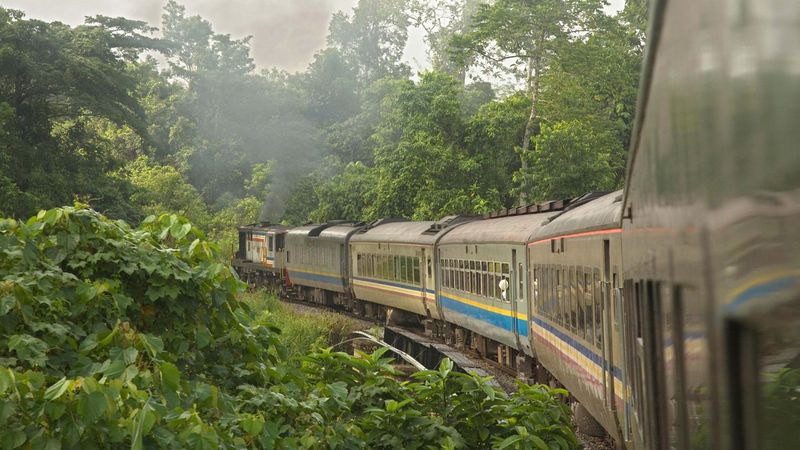
Slow travel is intrinsically linked with sustainability, as it encourages smaller footprints. By favoring public transport, biking, or walking over flights or fast-moving vehicles, slow travelers reduce environmental disruption. Staying longer in fewer places lessens the frantic churn that tourism often inflicts on ecosystems and communities.
For example, spending a month on a rural farm practicing permaculture and sourcing food locally isn’t just an authentic cultural exchange but an act of ecological mindfulness. This commitment acknowledges that the planet’s fragility requires a gentler approach to exploration. Slow travel thus becomes a pedagogy of respect and preservation, inviting travelers to contemplate their impact deeply.
Technology with Restraint: Disconnecting to Reconnect
In a world woven tightly with digital threads, slow travel often requires a conscious step back from screens and schedules dictated by notifications. Many slow travelers choose to limit technology use, opting instead to engage directly with their surroundings. The absence of GPS or constant connectivity can feel disorienting but ultimately liberates the mind to wander creatively.
This selective disconnection fosters mindfulness and a richer sensory experience, where the rustle of leaves or the cadence of a conversation holds more weight than the ping of emails. Real-life slow travel stories frequently highlight this digital detox as catalytic to their transformative journey.
Slow travel fundamentally reimagines the traditional journey. It is the difference between inhaling briefly and taking a deep, sustained breath. By attuning to place, savoring moments, and embracing intimacy with culture and environment, slow travel invites a profound reawakening to the world’s subtle riches. It is not merely where you go, but how you live the journey that renders travel truly unforgettable.