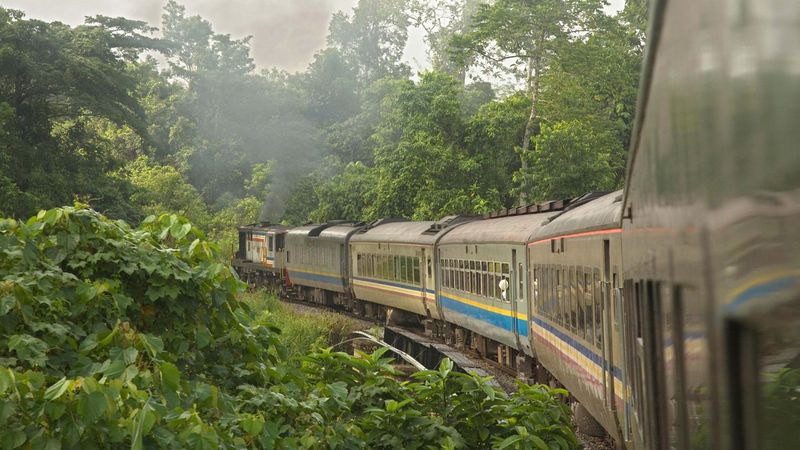
In an era dominated by rapid commutes and fleeting timeframes, the notion of slow travel beckons as a refreshing alternative—an invitation to savor rather than rush through unfamiliar terrains. Embracing a deliberate, unhurried exploration fosters a profound connection with destinations that transcends the surface-level visits common to fast travel. This article delves into five compelling reasons why slow travel surpasses its fast-paced counterpart, while honestly acknowledging the one critical scenario in which fast travel remains advantageous.
1. Immersive Cultural Connection
Slow travel offers travelers the luxury of time—a precious commodity that unlocks deeper access to local cultures. By lingering longer in one place, visitors can engage with residents, partake in authentic customs, and uncover hidden gems that evanesce from hurried itineraries. Whether it’s learning traditional cooking methods from a local chef or attending community festivals, the unhurried pace encourages meaningful interactions.

Such experiences nourish empathy and understanding, creating a dialogue rather than a monologue between traveler and destination. This deeper connection transforms travel from a mere checklist exercise into a living, breathing narrative of place and people.
2. Environmental Sustainability
Fast travel, often characterized by rapid flights and congested itineraries, exacts a heavy toll on the environment. In contrast, slow travel champions eco-conscious choices such as train journeys, cycling, and walking, which significantly reduce carbon footprints. The methodology inherently promotes local economies favoring sustainable tourism practices, often supporting smaller businesses over multinational corporations.
By choosing to dwell longer in fewer places, slow travelers contribute less to the pollution and resource strain caused by frequent transit. This form of conscientious travel encourages a respectful footprint—one that harmonizes with the natural world rather than exploiting it.
3. Enhanced Mental and Physical Well-Being
Traveling fast often induces stress—tight schedules, continuous packing, and the pressure to “see it all.” Slow travel, conversely, enables a rhythm aligned more closely with natural human rhythms. The extended timeframe invites relaxation, reduces anxiety, and provides space for reflective mindfulness.

Moreover, traveling at a gentler tempo often calls for more physical activity—exploring by foot or bike—strengthening the body while rejuvenating the mind. The restoration of balance between motion and stillness fosters holistic wellness throughout the journey.
4. Opportunity for Authentic Learning
Slow travel unfolds the chapters of a place’s history, language, and art with a depth unattainable in whirlwind visits. Travelers have the opportunity to enroll in workshops, visit lesser-known museums, and even pick up linguistic nuances from daily interactions. These layered learning experiences add a richness to travel memories, permanently imbuing one’s understanding with context and appreciation.
This educational dimension often leads to transformative personal growth. It encourages curiosity, adaptability, and cultural sensitivity—qualities nurtured only through time and openness.
5. Financial Prudence and Economic Impact
Though a misconception prevails that slow travel is more costly, the reality often defies this assumption. Extended stays frequently afford the chance to negotiate better rates on accommodations, benefits from weekly or monthly rental discounts, and savings on transportation costs. Meals prepared in local markets rather than tourist hotspots further economize the traveler’s budget.

Additionally, spending over longer periods supports small businesses and artisans, distributing tourism dollars more equitably across communities. This equitable dispersion often fosters positive perceptions of tourism, nurturing a sustainable economic ecosystem.
1 Reason Why Fast Travel Might Be Preferable
Despite the ample virtues of slow travel, fast travel holds its own merit under certain circumstances—particularly when time constraints dominate. For professionals on brief business trips, travelers with limited vacation days, or those aiming to tick off a vast array of destinations quickly, the accelerated pace can provide maximum exposure.
Fast travel efficiently bridges geographic gaps, allowing visitors to witness multiple countries, landscapes, or cultural hubs within tight timeframes. However, this comes at the expense of depth, often resulting in superficial encounters rather than immersive experiences.
Ultimately, the choice between slow and fast travel hinges on individual goals and contexts, but the enduring benefits of slow travel make it a compelling choice for those who yearn to truly absorb and savor their journeys.