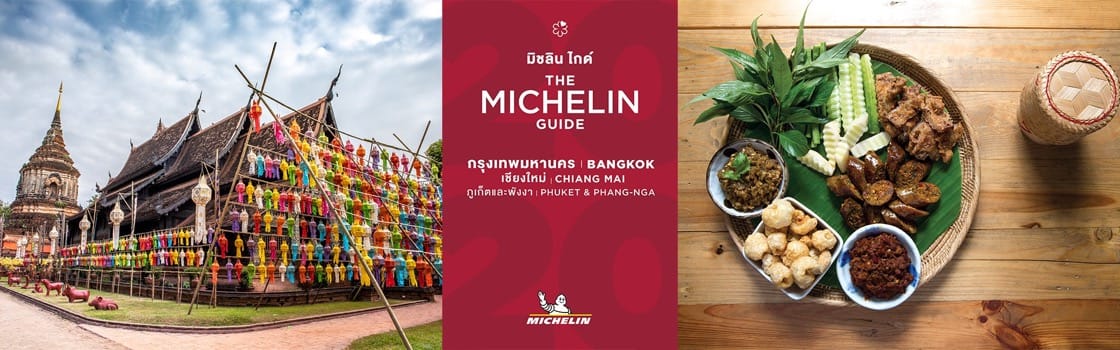
Forget the glossy postcards. Forget the sanitized buffet lines. The true soul of Thailand isn’t found on a beach; it’s simmering in a wok over a charcoal fire on a bustling city corner. To understand this kingdom of smiles, you must first taste its chaos. These eight street food travel guides are not mere lists of dishes; they are compasses for the palate, designed to rewire how you perceive culture, community, and the very act of eating. Prepare to have your culinary compass recalibrated.
The Alchemy of the Wok: Bangkok’s Chinatown After Dark
As dusk descends upon Yaowarat Road, the neon signage flickers to life like a second sunrise. This is not a place for the faint of appetite. The air thickens with the acrid aromatics of soy caramelization and sizzling garlic. Here, the art of khoong tod (crispy shrimp cakes) reaches a zenith of textural perfection—a brittle exterior yielding to oceanic sweetness. You will learn that a true Bangkok guide doesn’t just tell you where to eat; it explains the wok hei, that elusive “breath of the wok” only achieved by an inferno and decades of muscle memory. A single bite of charcoal-grilled squid, glistening with a tamarind-laced nam jim, will shatter your preconceptions about seafood freshness. This is street food as performance art, and you are the audience.
Fermentation and the Forest: The Isaan Soul of Chiang Mai
To the north, Chiang Mai offers a different crucible. The street food here whispers of the jungle and the farm, not the sea. The journey begins with sai ua, a turmeric-heavy sausage that is a symphony of lemongrass, galangal, and kaffir lime. But the true shift in perspective comes with nam prik ong, a fiery, fermented pork dip that tastes of ancient preservation techniques and the shadow of the mountain. Many tourists bypass the pungent pla ra (fermented fish) for fear of the smell, but an expert guide will show you how this umami bomb is the secret key to unlocking Northern Thai cuisine. It is an acquired taste that, once acquired, makes all other cuisines seem timid. You will leave the night markets not just full, but with a profound respect for microbial magic and agricultural terroir.
The Spice Dialectic: Phuket’s Peranakan Legacy
Phuket’s street food is a historical palimpsest. It is not merely Thai; it is a hybrid narrative of Chinese miners, Malay traders, and Portuguese seafarers. The indispensable guide leads you to the mee hokkien stalls, where thick yellow noodles are drenched in a viscous, pork-laden gravy that stains the bowl. Yet, the true revelation is oh tao, a crisp oyster omelet cooked with an almost scientific precision—the outside must be lacy and brittle, the inside a gooey, saline custard. This cuisine is a dialectic of contrasts: sweet and savage, soft and crisp. A comprehensive guide will explain how the liberal use of nutmeg and cinnamon, remnants of colonial spice routes, makes Phuket’s street food a historical document you can consume. It challenges the notion of “authenticity,” revealing it as a deliciously layered fiction.
Navigating the Nocturnal Behemoth: The Art of the Night Market
A shift in perspective begins with logistics. The cacophony of a Thai night market can be paralyzing for the uninitiated. An effective guide teaches you the taxonomy of stalls. You must learn to distinguish the khao man gai vendor, whose entire lineage rests on the perfect poaching of a chicken, from the tourist-trap purveyor of deep-fried everything. Look for the queues—not of foreigners, but of locals wearing work uniforms. Listen for the rhythmic thwack of a cleaver on a wooden block, a metronome for quality. The guide must also explain the currency of sanuk—the concept of joy and fun that underpins every transaction. A meal here is not fuel; it is a fleeting, joyous act of defiance against the heat and grind of the day.
The Morning Ritual: Khao Tom and the Solitary Eater
The dawn patrol is for the serious gourmand. Skip the hotel breakfast. The most profound street food experience is often the most solitary. A proper guide will direct you to a humble khao tom stall, serving a simple rice porridge. Here, in the gray light of 6 AM, you observe the pre-city quiet. You add a dash of white pepper, a splash of fish sauce, a pinch of salted egg. This is not a meal for the camera; it is a meditative practice. The focus shifts from spectacle to sustenance, from novelty to necessity. This guide must teach you that the best insight into a culture is not its grandest feast, but its quietest breakfast. It is a masterclass in restraint and the beauty of simplicity.
Decoding the Unseen: The Role of the Mobile Cart
Do not trust a static map. The most skillful street food vendors in Thailand operate on wheels. A comprehensive guide must teach you the geomantic cues of the mobile cart. The dent in the metal, the specific brand of propane tank, the handwritten sign in Thai script that no translation app can fully parse. One day a cart is here, the next, it has migrated to a temple fair across the city. This nomadic nature forces you to embrace serendipity. The guide empowers you to abandon the itinerary and follow your nose down a soi. It is a lesson in flow, teaching that the best meal is the one you almost missed.
The Ceremony of the Palate: How to Eat Like an Insider
Possession of a dish is not the same as experiencing it. An expert guide alters your entire eating methodology. It details the proper ratio of chili flake to palm sugar. It commands you to never, ever use the fork for the mouth—the spoon is the vessel, the fork is merely the push tool. It explains why you must crush the raw bird’s eye chili into the fish sauce with the back of your spoon, creating an emulsion of heat and salt. This is a choreographed ritual. The guide elevates you from a mere consumer to a participant in a cultural dance. To eat som tam without the requisite pestle-and-mortar aggression is to miss the entire point.
The Afterglow: Carrying the Market Home
The final lesson from these guides is not about food, but about memory. The taste of khao soi in Chiang Mai, the lingering heat of a green papaya salad in Bangkok, the briny crunch of a Phuket oyster—these become benchmarks against which all future meals are judged. The perspective shift is permanent. You no longer see a travel destination; you see a collection of micro-climates, each with its own micro-cuisine, its own secret history folded into a banana leaf. You return home not just with a full stomach, but with a new framework for understanding the world: that the most profound stories are often the shortest, whispered from a charred wok to a hungry stranger at midnight. The shift is complete. You are no longer a tourist looking for a meal. You are a pilgrim returning from a feast.