Have you ever pondered whether your knife skills could be perfected under the Tuscan sun, or if your palate could be recalibrated by the briny winds of the Aegean Sea? The average vacation offers a respite from the kitchen, but a cooking class vacation proposes a delicious paradox: it invites you to work while on holiday. This is not a chore, but a voyage of epicurean discovery. The challenge is not the scarcity of options, but their sheer, overwhelming abundance; each destination promises a unique culinary lexicon, and choosing the right one requires a connoisseur’s discernment. To guide your odyssey, we have curated a list of fifteen unparalleled experiences for 2026, each designed to transform you from a mere tourist into a temporary local, with flour-dusted hands and a mind full of flavor.
1. The Amalfi Coast: Where Citrus and Sea Breeze Collide
Perched on vertiginous cliffs overlooking the Tyrrhenian Sea, the Amalfi Coast offers more than just cinematic vistas. Here, cooking classes are an immersion into the region’s core ingredients: sun-drenched lemons, wild capers, and freshly caught pesce. You will not merely learn to assemble a classic spaghetti alle vongole; you will learn to read the sea’s temperament through the shellfish’s freshness. The pedagogical focus is on the *sfumatura*—the subtle layering of flavors. A typical session involves foraging for wild herbs on a terraced hillside, then returning to a limestone kitchen to infuse olive oil with their essence. The reward is a meal eaten on a patio as the sun melts into the water, a symphony of salt and zest.
2. The Zen of Kaiseki in Kyoto
Japan’s ancient capital is a bastion of culinary restraint, and nowhere is this more apparent than in a Kaiseki cooking class. This multi-course haute cuisine is an edible haiku, where every element—from the ceramic dish to the angle of a sliced vegetable—is deliberate. You will grapple with the concept of *shun*, or the peak of seasonal flavor, learning to select a single perfect persimmon over a bushel of inferior fruit. The challenge is mastering dashi, the foundational broth, where kombu (kelp) and katsuobushi (bonito flakes) must achieve a precise umami equilibrium. The class is a meditation, teaching patience and the profound satisfaction found in simplicity, leaving you with a searing respect for the artisan’s hand.
3. Mole and Memory in Oaxaca
Oaxaca, the culinary soul of Mexico, does not teach recipes; it teaches a philosophy of slow, communal transformation. The leitmotif here is the mole, a complex sauce that can contain over thirty ingredients, each toasted, ground, and layered with ritualistic gravity. You will visit a bustling market to buy heirloom chiles—chilhuacles, pasillas, and mulatos—their dried skins glistening like old leather. The instructor, often a matriarch from a village *comedor*, will guide you through the relentless toasting and grinding on a volcanic stone metate. This is laborious work, but the resulting emulsion, a dark, velvety tapestry of chocolate, chile, and spice, is a testament to the idea that great food is a form of devotion.
4. From Market to Mesa in Marrakech
Marrakech assaults the senses, and its cooking classes do the same. The day begins at the chaotic Jemaa el-Fnaa or a local souk, where your senses must navigate the cacophony of spices, the bleating of livestock, and the incense of the tanners. You will learn to haggle for saffron, to identify cumin from caraway by scent alone. Back in a serene riad kitchen, you will build a tagine layer by layer, understanding how the conical lid of the clay pot creates a closed-loop system of moisture and flavor. The gastronomic lesson is in balance—the sweet of preserved lemon against the salt of olives, the heat of harissa tempered by the coolness of yogurt. It is a chaotic, fragrant, and ultimately harmonious alchemy.
5. The Pastoral Piémont of Piedmont
The Langhe region of Piedmont is a landscape of rolling vineyards and hidden trattorias, where the truffle is king and the butter is golden. A cooking class here is a lesson in *cucina povera*—the art of transforming humble ingredients into sublime dishes. You will be tasked with hand-rolling tajarin, an impossibly thin pasta that accepts egg yolks with promiscuous generosity. The challenge is the *battuto*, a fine mince of pork fat, garlic, and rosemary that forms the bedrock of many sauces. The highlight is a hunt for the white truffle of Alba, followed by a class where you learn to shave it, with reverent precision, over a plate of steaming risotto. The experience is a profound study in terroir and tradition.
6. Seafood and Sun-Dried Spices on the Dalmatian Coast
Croatia’s Dalmatian coast, particularly around Dubrovnik and Hvar, offers a distinct Adriatic culinary identity. The focus is on the grill—the *gradele*—and the simple perfection of fresh seafood. You will learn to prepare a *brudet*, a fish stew that derives its complexity from the acidic bite of local wine and the aromatic punch of wild rosemary. The class often begins on a boat, where you pull a net full of wriggling scampi and branzino. On land, you will learn to debone a sardine with one fluid motion, a skill that separates the novitiate from the adept. This is a sun-drenched, salt-sprayed education in the glory of the single, pristine ingredient.
7. The Fire and Smoke of Patagonia
In the vast, windswept expanses of Argentine Patagonia, cooking is an elemental act of fire management. An *asado* class is less instruction and more an initiation into a sacred tradition. You will learn to build a precise fire, not with lighter fluid but with the natural architecture of wood and wind. The challenge is reading the embers, understanding that different stages of coal produce different temperatures for the *chorizo*, the *morcilla*, and the massive flank of beef. The meat is seasoned with nothing more than salt and the smoke of *quebracho* wood. This is a primal, carnivorous education, a celebration of the grill as the heart of a culture.
8. The Spice Gardens of Kerala’s Backwaters
India’s God’s Own Country offers a cooking class that begins in a floating garden. You will glide through the Keralan backwaters on a houseboat, dock at a local village, and wander into a spice garden where cardamom, black pepper, and nutmeg grow in fragrant profusion. The lesson focuses on the *tadka*—the tempering technique where mustard seeds and curry leaves are bloomed in hot coconut oil. You will learn to grind your own garam masala, a personal blend that becomes your culinary signature. The final meal is a banana leaf feast of *meen mollee* (fish in a coconut milk curry), where the interplay of heat, spice, and cooling coconut is a masterclass in counterpoint.
9. The Boulangerie’s Secret in Paris
Paris is a city of pastry, but a truly singular class focuses on the art of the baguette and the croissant. This is not a casual endeavor; it is a rigorous scientific exploration of gluten, hydration, and lamination. You will work with a *boulanger* who has studied the precise humidity required for fermentation, learning the *fraisage* technique for mixing dough without developing tough gluten. The challenge is the *tour*, the repeated folding and rolling of butter into the dough, which creates the croissant’s airy, honeycombed heart. The reward is not just a perfect, crackling crust, but a profound appreciation for the chemistry and patience that define French baking.
10. The Wok Hei of Bangkok’s Streets
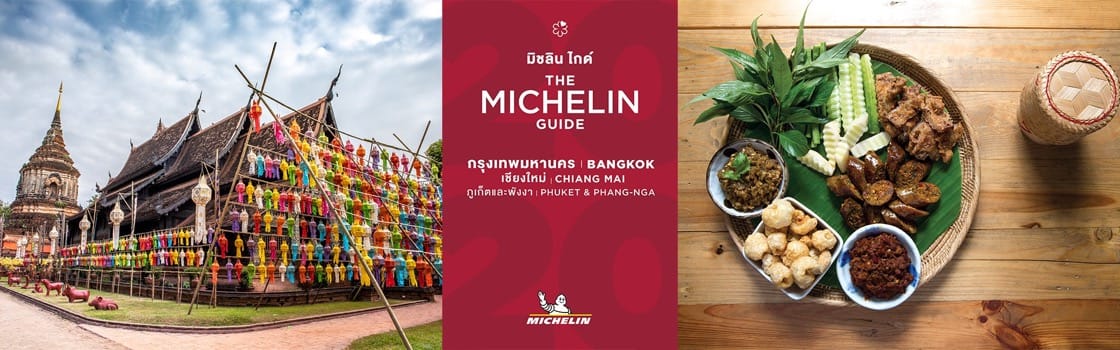
Bangkok’s street food is legendary, and a cooking class here teaches you to replicate its magic on a domestic scale. The focus is on *wok hei*—that elusive “breath of the wok,” a smoky, charred flavor achieved only by extreme heat and constant motion. You will learn to prepare a green curry paste from scratch, pounding herbs and galangal with a mortar and pestle until your arm aches. The challenge is timing: a pad thai must be assembled in under two minutes, the noodles tossing in a ballet of tamarind, fish sauce, and chili. This is a high-heat, high-speed education in the explosive, vibrant flavors of Thai cuisine.
11. The Desert Finesse of Marrakech’s Couscous
While the tagine is famous, the Moroccan couscous is the domain of the true artisan. A dedicated couscous class in Marrakech is a lesson in patience and technique. You will learn to roll the semolina by hand, a slow, rhythmic process of moistening and rubbing that creates the perfect, light pearls. The challenge is the steam—the couscous must be steamed three times over a fragrant stew of meat and vegetables, never becoming mushy. The final presentation is a mountain of grains, fluffy and separate, crowned with lamb, carrots, and chickpeas, a monument to the belief that the simplest dishes require the most sophisticated skill.
12. The Farm-to-Table Hyperbole of Napa Valley
Napa Valley is synonymous with wine, but its farm-to-table ethos is equally compelling. A class here is a study in seasonality and terroir, often held at a private estate with a chef’s garden. You will harvest your own produce—Heirloom tomatoes, purple basil, and fava beans—before learning a precise technique like a *sous-vide* confit of chicken. The challenge is pairing: you will learn to select a wine not just to drink, but to cook with, and to match the acidity of the wine with the richness of a sauce. This is a polished, luxurious, yet deeply educational experience, rooted in the high standards of California cuisine.
13. The Rustic Heart of the Peloponnese
Greece is often imagined through whitewashed villages, but its true culinary heart beats in the mountainous villages of the Peloponnese. Here, a cooking class is a pastoral affair. You will learn to milk a goat, churn fresh butter, and make *trachanas*, a fermented grain and yogurt pasta that takes days to dry. The emphasis is on *ladera*, the olive oil-based cooking that defines Greek peasant food. You will learn to stuff grape leaves with rice and herbs, the sourness of the leaf balanced by the richness of the oil. This is a rustic, hands-on journey into a culinary tradition that is both ancient and vibrant, a secret shared among the olive groves and cypress trees.
14. The Steamy, Sweet Layers of Penang
Penang, Malaysia, is a culinary crossroads, and its cooking classes reflect that hybrid vigor. You will learn to make *nasi lemak*, a fragrant coconut rice, and the ubiquitous *char kway teow*, a smoky noodle dish that requires a wok hand of pure intuition. The class often focuses on the art of the steam and the fry. You will learn to wrap *otak-otak* (a spicy fish cake) in banana leaves, then grill it until the leaves char and the mousse inside sets. The challenge is mastering the *rempah*, the spice paste that is the foundation of Malay cuisine. This is a vibrant, multi-ethnic education in the power of balance—spicy, sweet, sour, and salty all on one plate.
15. The Highland Smoke of the Scottish Glens
Venture into the Scottish highlands, away from haggis and deep-fried Mars bars, for a class on the art of the smokehouse. You will learn to fillet a wild-caught salmon, curing it in a salt, sugar, and dill mixture before hanging it in a small, traditional smokehouse over smoldering oak and heather. The challenge is temperature control: cold smoking requires a smoldering fire that never surpasses 30°C, infusing the fish with a delicate, phenolic aroma without cooking it. The class includes a lesson on making an oatcake to accompany the final product. This is a rugged, climate-defining class that respects the land and its elements, transforming a simple fish into a legacy of smoke and time.