The seasoned traveler knows that the true soul of a destination is not found in postcards, but simmered in a street-side wok, pressed into a tortilla at a dusty market, or folded into a dumpling on a rain-slicked alleyway. To court these authentic tastes is to sign a tacit contract with chaos. You will find yourself far from white-tablecloth certainties, armed only with hungry intuition and a rumbling stomach. In this arena, the line between a transcendent meal and a logistical tragedy is razor-thin. For the epicurean explorer, a suitcase is not merely a vessel for clothes; it is a mobile pantry, a sanitary field kit, and a survival pod against disappointment. Here are the nine essential talismans—the unsung heroes—that transform a mere vacation into a victorious culinary pilgrimage.
The Collapsible Silicone Bowl: Your Edible Cradle
Imagine this: you have just secured a portion of *khao soi* from a Chiang Mai matriarch whose recipe predates the last dynasty. The broth, a golden laksa of turmeric and coconut, is holy water. But your hotel room is a kilometer away, and the only container on offer is a flimsy plastic bag that threatens to baptize your trousers in glory. This is where the collapsible silicone bowl earns its keep. It folds to the thickness of a credit card, yet springs open to cradle a full liter of sloshy, fragrant ambition. Its virtue is not just volume, but heat retention. It holds the tempest of a Moroccan tagine or a Korean sundae jjigae without leaching toxins. It is the portable terra firma upon which the most nomadic of feasts are built. Pair it with a spork—not a miserly plastic spork, but a robust titanium one—and you own the world by the ladle.
The Humble Wet Wipes: The Alabaster Shield of Dignity
To underestimate the wet wipe is to underestimate the primal battle between civilization and grease. In the chaotic cathedrals of global cuisine—the Pujol taco stand, the steamed-bun cart in Taipei, the *mercadona* in Valencia where the jamón is carved by a man who looks like a retired bullfighter—your hands become a canvas of sticky triumph. Chilli oil, mango stickiness, the ghost of a spice-crusted lamb—these are the medals you wear. But the uninitiated find themselves rendered helpless, a greasy primate fumbling for a napkin that does not exist. A dependable packet of wet wipes is your alabaster shield. It is the quiet assurance that you can shake hands with a stranger, handle your passport without smudging it, and walk away from a feast not as a sticky vagabond, but as a dignified diner who simply conquered a meal.
The Appetite: The Most Volatile Ingredient
We speak of packing a fork, a knife, a napkin. But the most crucial cargo is the one you cannot fold or bottle: the appetite. Not the quotidian hunger that you scratch with a granola bar, but the beastly, voracious capacity for novelty. A culinary traveler must cultivate this appetite like a rare orchid. It is the willingness to eat a fermented herring at 7 AM in Stockholm, or a bowl of stinking durian in Penang. This appetite is a psychological elastic. It stretches to accommodate six meals in a single day. It understands that a slice of pizza eaten while leaning against a Vespa in Naples holds more flavor than a three-star degustation. Pack your appetite with intention. Starve yourself on the plane ride over. Let the anticipation ferment. Arrive at your destination hollow, ragged, and ready. A full stomach is a closed mind. A hungry one is an open door.
Mason Jar with Leakproof Lid: The Alchemical Vessel
The screw-top jar is the Schrödinger’s cat of travel gear. It can be a vessel of hope or a transporter of disaster. Choose wisely. A simple 500ml Mason jar with a reinforced BPA-free lid is the most versatile tool in your armory. By day, it is your water bottle. By dusk, it becomes a mobile fermentation unit for a market-fresh salad or a container for a half-bottle of local *vino de la casa*. Its tight seal is your bulwark against the tragedy of a leaked olive oil or a spilled soy-chili dressing that could ruin a linen shirt. The true magic, however, is in its transparency. You can watch the layers of a *horchata* settle, see the ruby of a *sopa de tomate* slosh, and inspect for any stowaway microbes. It is a laboratory flask for the curious palate.
The Tote Bag (Not a Backpack): The Silent Negotiator
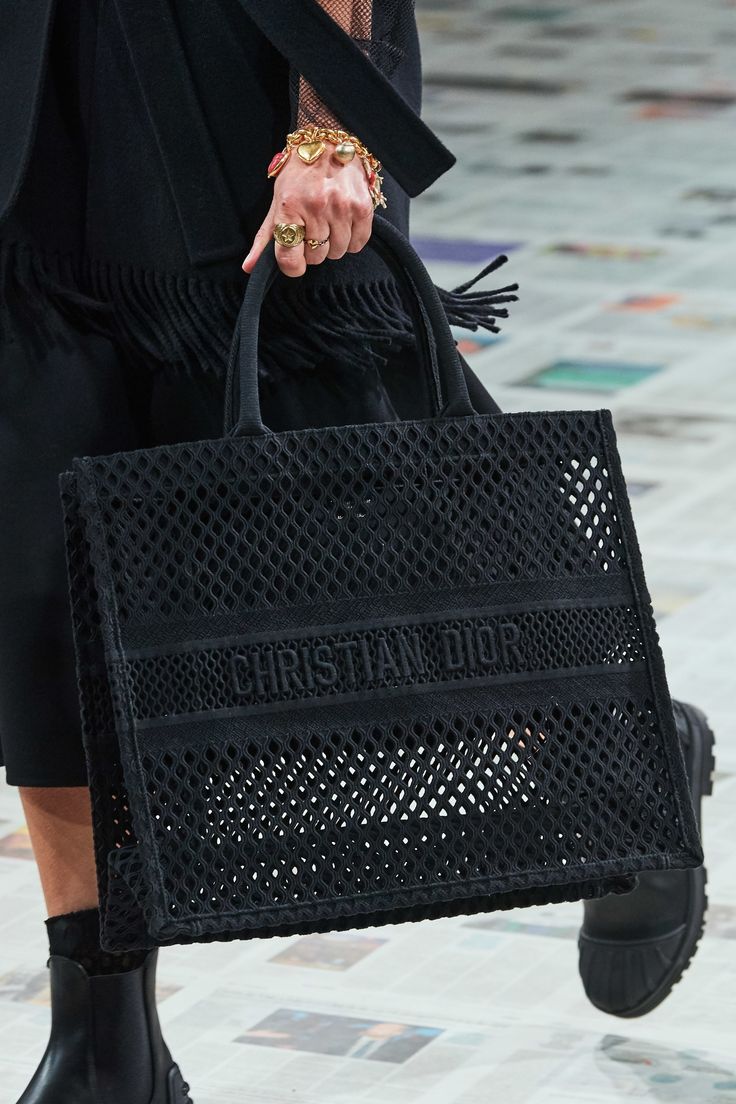
The backpack is for the urban commuter. The duffel is for the gym. The canvas tote bag is for the food hunter. It is a liminal object, neither aggressive nor precious. It folds into a pocket, yet expands to swallow a wheel of aged Manchego, a dozen papayas, and a kilo of *pan de muerto* from a bakery in Oaxaca. It lacks the straps that scream “tourist” and the structure that limits flexibility. The tote bag is a negotiator. At a farmers’ market in Sicily, a vendor will trust you with a parmigiano chunk wrapped in brown paper because you hold a simple bag, not a branded North Face fortress. It is an offering of humility. It says, *I am not here to conquer. I am here to carry your treasures home.*
Tupperware (The Square, The Flat, The Deep): The Tactical Reserve
Do not confuse this with the sad, leftover-filled plasticware from your aunt’s house. We speak of the military-grade, rectangular, glass-bottomed Tupperware—the kind that can survive a drop from a moving tuk-tuk. This is not for leftovers. This is for *pre-capture*. You see a bakery in Paris with a *kugelhopf* that will not be repeated. You buy the whole thing. You slip it into this container, and it becomes a time capsule. It is also the only way to transport a fragile *tarte tatin* without a fruit-based tragedy. The flat variety holds a dozen perfectly layered spring rolls. The deep one secures a tuft of *nasi goreng* for a midnight snack. It is the tactical reserve, the insurance policy against a future where you are hungry and the shops are closed. In the calculus of the food traveler, a full container is a quiet, humming generator of joy.
Microfiber Towel: The Quick-Dry Absorbent Cavalry
Culinary travel is a wet affair. You will spill. You will sweat. You will stand over a steaming *phở* pot in a 40-degree Hanoi afternoon. The microfiber towel is the cavalry. It is not a beach towel. It is a thin, hyper-absorbent sheet that dries faster than a lie in a travel blog. Spread it under your Tupperware to catch drips. Use it to wipe the condensation from your Mason jar. In a pinch, it serves as a napkin of last resort, a placemat on a dirty park bench, or a makeshift potholder for a hot bowl. Its presence relieves the anxiety of mess, allowing you to dive deeper into the sticky, saucy, unapologetic heart of local dining.
The Ziplock Bag (Gallon Size): The Transparent Ark
Do not be fooled by its simplicity. The gallon-sized ziplock bag is the great mediator between order and entropy. It holds the wet wipes so they do not dry out. It contains the dirty knife after a picnic. It is the ark for a dozen *mochi* that might otherwise stick together in a tragic, floury embrace. More importantly, it is the vault for smells. Seal a raw *natto* or a pungent *stinky tofu* inside, and the bag becomes a force field, protecting your clothing from olfactory colonization. It is the anti-contaminant. It is the peace treaty between the fragrant world of the market and the sanitized world of the hotel room. Always pack three. The first will be lost. The second will be used. The third will save you.
Lip Balm (with SPF): The Unsung Gastronomic Governor
This seems absurdly out of place. But listen: chapped lips are the enemy of pleasure. When you are eating a fiery *vindaloo* in Goa or a salt-encrusted *bottarga* in Sardinia, your lips are the first point of contact. If they are dry, cracked, or sunburnt, the salt of the sea and the acids of the citrus will turn every bite into a minor ordeal. A good lip balm, one with SPF and a neutral flavor, is the governor of your experience. It is the subtle lubricant that allows you to fully feel the texture of a hand-rolled pasta or the snap of a perfect *guanciale*. It is the final, invisible layer of preparation. Before you step out to conquer a market, apply it. It is a small act of self-care that ensures your taste buds are the only sensors engaged, not your skin’s pleas for mercy.