Embarking on a wildlife conservation journey offers more than just the thrill of adventure; it promises a profound shift in perspective that reshapes how we see our planet and our place within its intricate ecosystems. Asia, a continent teeming with biodiversity and cultural richness, provides unique opportunities to engage directly with timeless species, from the elusive giant panda to the ancient sea turtles gracing its shores. These seven wildlife conservation trips not only allow participants to contribute tangibly to preservation efforts but awaken a curiosity about the delicate balance between humanity and nature — a balance that is crucial for the survival of countless species and the health of our world.
1. Panda Conservation Volunteering in Sichuan, China
The emblem of wildlife conservation in Asia, the giant panda represents much more than a charismatic mammal; it embodies the fragile fight against habitat loss and environmental degradation. Volunteering at a panda conservation center in Sichuan goes beyond the surface of caretaking. Participants engage in habitat restoration, bamboo forest maintenance, and behavioral monitoring, all crucial for the survival of this endangered species. The hands-on experience provides intimate insights into the panda’s elusive nature, while education programs help volunteers understand the complexities of wildlife management and captive breeding. Each moment spent here deepens a newfound reverence not only for the panda but for the myriad of species interlinked within its ecosystem.
2. Sea Turtle Rescue and Rehabilitation in Thailand
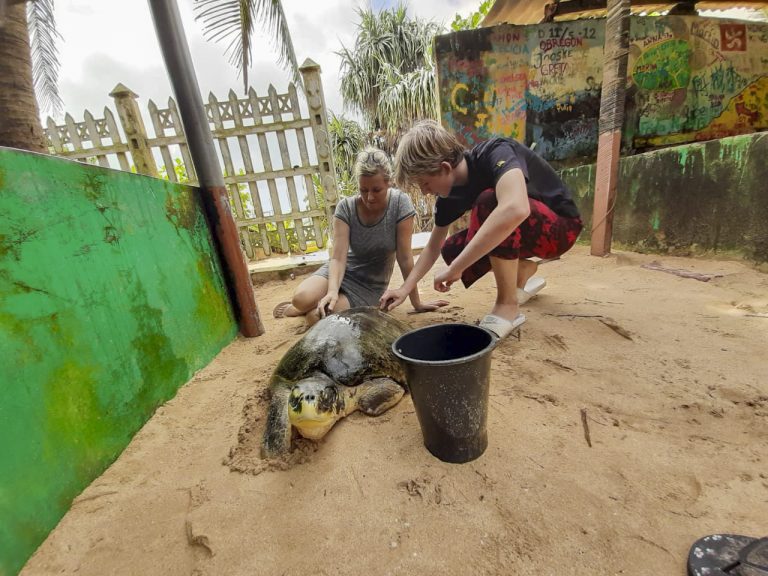
Along Thailand’s pristine coastlines, where the sea turtles nest seasonally, volunteer efforts focus intensely on rescuing these ancient mariners from threats such as poaching, bycatch, and habitat destruction. Sea turtle conservation projects immerse participants in nighttime beach patrols, identifying and safeguarding nests, relocating eggs to hatcheries, and assisting in the rehabilitation of injured turtles. This immersive endeavor reveals the turtles’ long migratory journeys and the critical importance of coastal ecosystems to their lifecycle. The experience evokes a profound awakening about marine conservation and the pervasive impact of human activity on oceanic wildlife.
3. Turtle Conservation Initiatives in Bali, Indonesia
Bali’s commitment to preserving its marine heritage encompasses a distinct program centered around the conservation of sea turtles. Volunteers work closely with community-led organizations to support breeding programs, reduce plastic pollution, and conduct environmental education campaigns. The symbiotic relationship between Bali’s local communities and conservationists underscores the power of grassroots movements in effecting lasting ecological change. Contributing here invites a contemplation of cultural conservation practices alongside scientific approaches, illustrating how human tradition and environmental stewardship can harmoniously coexist.
4. Orangutan Rehabilitation Projects in Borneo, Malaysia
Deep within Borneo’s rainforests, orangutan rehabilitation centers offer an unparalleled opportunity to witness both the plight and resilience of our closest animal relatives. Volunteers aid in habitat restoration, preparing rescued orangutans for their reintegration into the wild. The meticulous process of rewilding — from observing natural foraging behaviors to fostering social bonds — reveals the intricate web of survival skills these primates must master. This engagement transcends mere wildlife observation; it beckons participants to reflect on deforestation’s catastrophic effects and the urgent need for sustainable coexistence.
5. Elephant Care and Conservation in Sri Lanka
Sri Lanka’s majestic elephants have long captured human fascination, yet their existence now hangs in a delicate equilibrium due to habitat fragmentation and human-wildlife conflict. Volunteer programs here offer immersive involvement in daily elephant care routines, including feeding, bathing, and assisting mahouts (elephant keepers). Beyond the physical tasks, volunteers partake in educational outreach designed to promote ethical tourism and community-based conservation. These shared moments with gentle giants cultivate empathy and convey the gravity of preserving keystone species that underpin ecological diversity.
6. Snow Leopard Monitoring in the Himalayas
Venturing into the rugged expanses of the Himalayas, conservationists focus on monitoring the elusive snow leopard — a ghost of the mountains. Volunteers participate in tracking surveys, camera trapping, and community engagement to mitigate poaching and livestock predation conflicts. The breathtaking environment challenges participants physically and intellectually, fostering an intimate connection between wilderness survival and species protection. Here, the stark beauty of the alpine wilderness becomes a classroom where volunteers learn how fragile montane ecosystems support apex predators essential for ecological balance.
7. Marine Biodiversity Projects in the Philippines
The vibrant coral reefs of the Philippines are a testament to a complex underwater world brimming with life. Volunteer programs emphasize coral restoration, fish population monitoring, and sustainable fishing advocacy. Divers and snorkelers alike uncover the hidden narratives of marine species battling against climate change-induced bleaching and human interference. Each dive amplifies the urgency to preserve these ecosystems and highlights the role of local communities and international cooperation in combatting biodiversity loss. The vivid tapestry beneath the waves kindles a profound respect for marine conservation that lingers long after surfacing.