Imagine your backpack as a treasure chest, not filled with gold, but with the promise of adventure—each meal a stepping stone to the next horizon. The art of backpacking on a budget isn’t just about saving coins; it’s about transforming mundane sustenance into a symphony of flavors that dance with the rhythm of your journey. Whether you’re rummaging through the neon-lit alleys of street food stalls, stirring a pot in a hostel’s communal kitchen, or meticulously curating a grocery list in a foreign supermarket, every bite becomes a story. These six tips will guide you through the labyrinth of affordable eating, ensuring your stomach—and your wallet—remain full and happy.
The Alchemy of Street Food: Turning Pennies into Flavor Gold
Street food is the guerrilla warfare of gastronomy—quick, potent, and often breathtakingly cheap. In the bustling markets of Southeast Asia or the hidden alleys of Latin America, a few coins can buy you a feast that rivals the most lavish restaurant. The key is to embrace the ephemeral nature of these culinary gems. A steaming bowl of pho in Hanoi, a spicy arepa in Bogotá, or a crispy empanada in Buenos Aires—each is a fleeting masterpiece, best consumed with the urgency of a traveler on the move. The trick? Learn the local lingo for “no spice” or “less oil,” and always watch the vendor’s hands like a hawk. The sizzle of the wok, the aroma of charred meat, the way the vendor’s knife dances through the ingredients—these are the sensory rewards of street food, where every meal is a performance.
Hostel Kitchens: The Communal Cauldron of Shared Stories
Hostels are the modern-day caravanserais, where travelers from every corner of the globe converge around a single stove. The communal kitchen is where friendships are forged over burnt toast and improvised recipes. Here, the art of backpacking on a budget becomes a collaborative dance. A bag of rice, a handful of lentils, and a stranger’s suggestion to add cumin can birth a dish that tastes like home, even when you’re thousands of miles away. The secret? Flexibility. If the recipe calls for bell peppers but you find only zucchini, adapt. If the hostel’s spice rack is bare, barter with a fellow traveler for a pinch of paprika. The kitchen becomes a melting pot not just of ingredients, but of cultures, where a simple meal transcends sustenance to become a shared memory.
Grocery Stores: The Canvas for Culinary Creativity
Supermarkets are the unsung heroes of budget backpacking, offering a treasure trove of possibilities for the thrifty traveler. The trick is to shop like a local, not a tourist. In Europe, the discount aisles of Aldi or Lidl are your allies, while in Asia, the wet markets brim with fresh produce at a fraction of the cost. The goal? To turn a handful of ingredients into a meal that feels like a reward. A can of chickpeas, a lemon, and a handful of parsley can become a zesty hummus. A block of tofu, some soy sauce, and a dash of chili flakes can morph into a quick stir-fry. The beauty lies in the simplicity—the less you spend, the more you savor the ingenuity of your own creation.
The Sacred Rule of Bulk Buying: Storing Flavor for Miles to Come
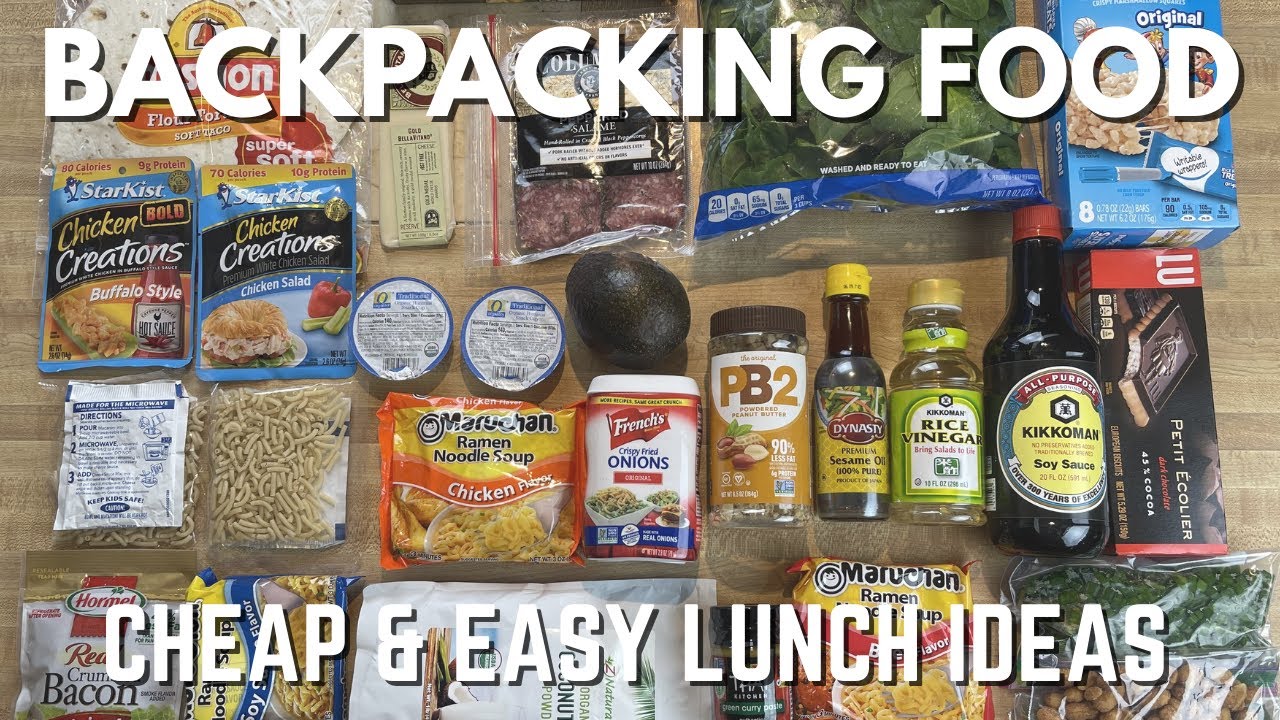
Bulk buying is the backpacker’s equivalent of packing light but carrying heavy—where a single bag of oats or a jar of peanut butter becomes a lifeline for days. The trick is to choose ingredients that are lightweight, non-perishable, and versatile. Oats can be breakfast, dinner, or even a makeshift energy bar. Instant noodles are the chameleons of the backpacking world, transforming with the addition of a single egg or a handful of vegetables. The key is to portion your haul into reusable bags, ensuring that your food remains fresh and your pack stays organized. Think of it as stockpiling not just calories, but potential—each meal a promise of sustenance on the road ahead.
The Art of the Leftovers: Turning Scraps into Gourmet
Leftovers are the unsung heroes of budget backpacking, the quiet alchemists that turn yesterday’s dinner into today’s feast. A half-eaten baguette becomes the base for a French toast breakfast. A handful of cooked rice morphs into a savory fried rice with the addition of an egg and a splash of soy sauce. The trick is to think of your meals as a continuum, where nothing is wasted and everything is repurposed. Even the humble banana peel, when boiled, can be used to polish your shoes or soothe a sunburn. In the world of budget backpacking, waste is a foreign concept—every crumb has a purpose, every scrap a story.
The Psychology of Eating Well: Fueling the Soul as Much as the Body
Eating on a budget isn’t just about filling your stomach—it’s about feeding your spirit. The meals you eat while traveling become the soundtrack to your adventures, the flavors that linger long after the journey ends. A steaming bowl of ramen in a Tokyo alley, a shared plate of pasta in a Roman trattoria, a simple sandwich eaten on a train in Morocco—these are the moments that define your trip. The trick is to savor them, to treat each meal as a celebration. Whether it’s the first sip of coffee in the morning or the last bite of a shared dessert, these are the rituals that turn a trip into an experience. So go ahead, indulge in that street food, cook that communal meal, and stock up on those bulk ingredients. After all, the best adventures are the ones that leave you both full and fulfilled.