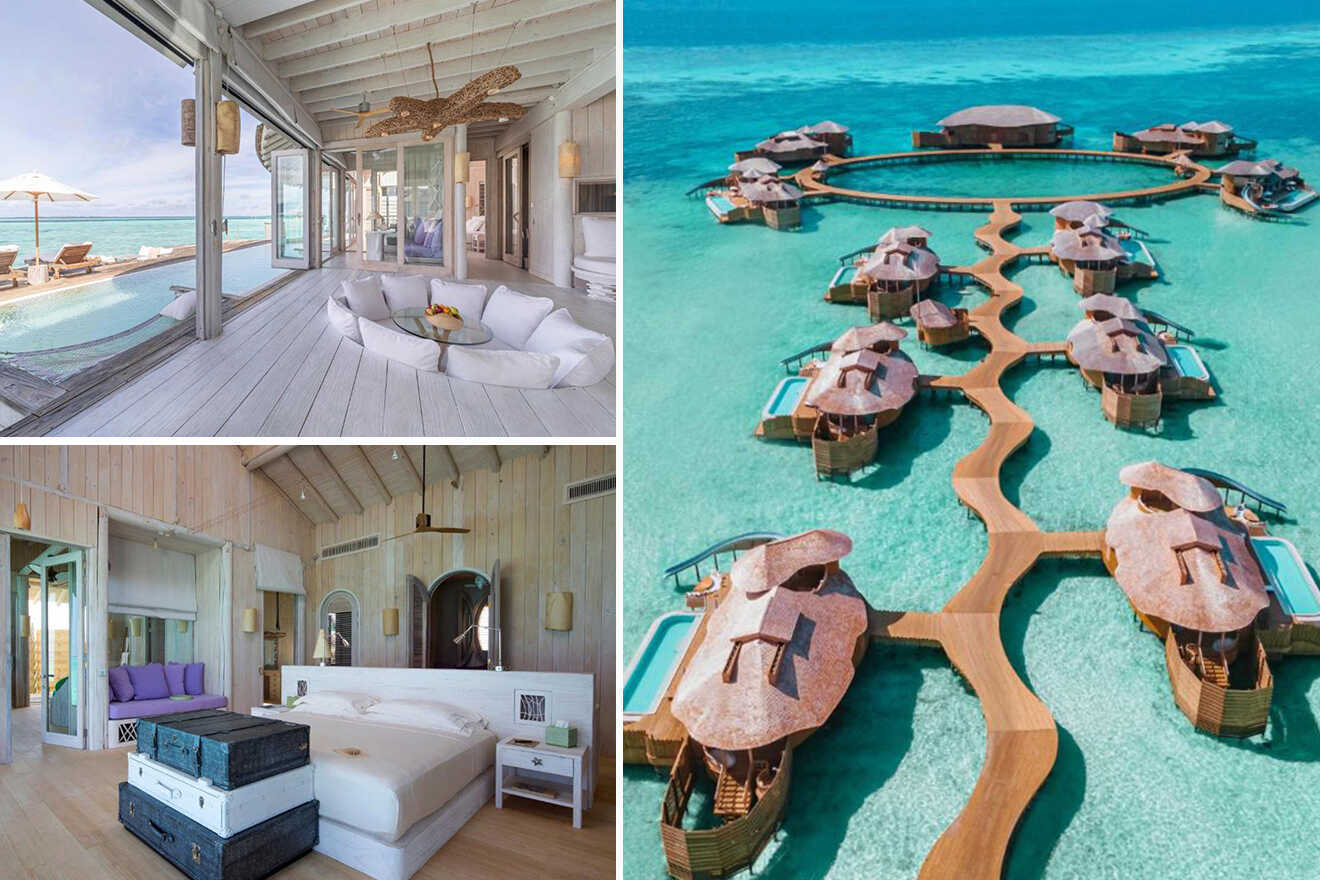
In the grand ballet of travel, where every destination pirouettes between the expected and the extraordinary, boutique hotels emerge as the prima donnas—each a masterclass in design, a symphony of space, and a whisper of narrative elegance. For the design-smitten voyager, these stays are not merely lodgings but portals into worlds where architecture breathes, art whispers, and every corner tells a story. As we peer into 2026, a new epoch of hospitality unfolds, where hotels are no longer static structures but living canvases of creativity. Here, we unveil 15 of the most intoxicating boutique hotel experiences for those who see travel as an art form.
The Alchemy of Light and Shadow: Where Minimalism Meets Drama
In the heart of Kyoto, a boutique sanctuary redefines the interplay of light and shadow. Here, the architects have sculpted spaces where daylight filters through paper-thin screens, casting ephemeral patterns on tatami mats. The rooms are not just lived-in; they are meditated upon. Each piece of furniture is a deliberate stroke, each textile a deliberate hue. The effect is hypnotic—a silent conversation between the built environment and the transient light. This is not minimalism as austerity, but as alchemy: the transformation of emptiness into something profound.
A Canvas of Memory: Hotels That Wear Their Histories Like Badges
Some boutique hotels are not built; they are excavated from the bones of history. In Lisbon’s Alfama district, a 16th-century palace has been reborn as a design-forward retreat, its azulejo tiles preserved like archaeological treasures. The original frescoes remain, but now they share the stage with contemporary art installations. Guests sleep beneath ceilings that have cradled centuries of whispers, their dreams woven into the very fabric of the walls. These are not mere stays; they are time capsules, where the past and present engage in a delicate waltz.
The Sensory Odyssey: Hotels That Engage All Five Gates
Travel is not just sightseeing—it is a full-body experience. The most extraordinary boutique hotels understand this. In Marrakech, a riad beckons with the scent of orange blossom and the murmur of a courtyard fountain. The air is thick with the aroma of spices, the walls hum with the rhythm of traditional music, and the textures—from rough-hewn plaster to silk drapes—invite touch. Here, the hotel is not a backdrop but a protagonist, its sensory palette as rich as the city itself. To stay here is to be immersed in a living, breathing dreamscape.
Floating Sanctuaries: Hotels That Defy Gravity
On the water’s edge in Singapore, a boutique hotel floats like a mirage, its glass-and-steel silhouette reflecting the skyline. The rooms are suspended above the marina, offering panoramic views of the city’s luminous skyline. The effect is disorienting yet sublime—like drifting in a dream where the boundaries between land and water blur. The interiors are a study in contrasts: cool marble against warm wood, sharp angles softened by organic curves. To wake here is to feel untethered, as if the hotel itself is a vessel for the imagination.
The Urban Oasis: Where Concrete Jungles Bloom
In the relentless pulse of New York City, a boutique hotel emerges as a verdant escape. Its rooftop garden cascades with native flora, while the lobby is a jungle of hanging plants and reclaimed wood. The rooms are cocoons of calm, their muted palettes a counterpoint to the city’s cacophony outside. This is not escapism but a radical reimagining of urban living—where nature and architecture coexist in harmonious tension. To stay here is to remember that even in the densest of cities, serenity can be cultivated.
The Industrial Muse: Factories Reborn as Temples of Design
In Berlin’s Kreuzberg, a former textile factory has been transmuted into a temple of industrial chic. Exposed brick, raw steel beams, and salvaged machinery form the backbone of the design, while contemporary art punctuates the spaces. The rooms are cavernous yet intimate, their high ceilings echoing with the ghosts of industry. This is not nostalgia but alchemy—transforming the utilitarian into the extraordinary. To sleep here is to dream within the ribs of a beast that once powered a city, now repurposed as a sanctuary for the creative soul.
The Nomadic Luxury: Hotels That Travel with You
For the truly restless, some boutique hotels are not fixed in place but drift like nomads. In the Swiss Alps, a mobile hotel caravan unfurls its wheels each season, offering guests a different vista with each sunrise. The interiors are a study in portability—modular furniture, foldable walls, and lightweight materials that defy the constraints of traditional architecture. This is luxury redefined: not as permanence, but as fluidity. To stay here is to embrace the transient, to find beauty in the journey as much as the destination.
The Celestial Retreat: Hotels That Reach for the Stars
High above the clouds, in the thin air of the Andes, a boutique hotel clings to the mountainside like a dream half-remembered. The rooms are glass-fronted, offering unobstructed views of the cosmos. The design is a fusion of brutalism and ethereality—concrete and glass softened by textiles that mimic the night sky. To sleep here is to feel both grounded and weightless, as if the hotel itself is a satellite orbiting the earth. This is not just a stay; it is a pilgrimage to the heavens.
The Literary Haven: Hotels That Are Stories Unfolding
In Edinburgh, a boutique hotel is a love letter to literature. Each room is themed after a different Scottish author, from the brooding intensity of Robert Louis Stevenson to the whimsy of Muriel Spark. The furniture, the art, even the scent of the rooms—all are curated to evoke the essence of the writer. Guests are not just visitors; they are characters in a narrative that unfolds with every step. This is not just accommodation; it is an invitation to live inside a story.
The Biophilic Masterpiece: Hotels That Are Part of the Landscape
In Costa Rica, a boutique hotel dissolves into the rainforest, its thatched roofs and open-air designs mimicking the organic forms of the jungle. The boundaries between indoors and outdoors blur, as if the hotel has grown from the earth itself. The materials are local—bamboo, stone, reclaimed wood—each chosen for its harmony with the environment. To stay here is to become part of the ecosystem, to sleep beneath a canopy of stars while the jungle hums its ancient song.
The Futuristic Mirage: Hotels That Belong in a Sci-Fi Novel
In Dubai, a boutique hotel materializes like a hologram, its facade shifting colors with the sunlight. The interiors are a playground of futuristic design—floating beds, holographic art, and rooms that adapt to the guest’s mood via smart technology. This is not just a hotel; it is a glimpse into the future, where architecture and innovation dance in perfect sync. To stay here is to feel like a pioneer in a world yet to come.
The Bohemian Dream: Hotels That Are Havens for the Free Spirits
In the hills of Ibiza, a boutique hotel is a sanctuary for the creatively inclined. The rooms are adorned with vintage textiles, handmade ceramics, and art from local artisans. The pool is a mosaic of broken tiles, the gardens a riot of wildflowers. This is not luxury as excess, but as authenticity—a celebration of imperfection and spontaneity. To stay here is to shed the weight of convention and embrace the joy of unbridled creativity.
The Monastic Serenity: Hotels That Are Sanctuaries of Silence
In the deserts of Oman, a boutique hotel is a study in quietude. The architecture is minimalist, the spaces vast and uncluttered. The sound of the wind is the only soundtrack, the vastness of the desert a constant reminder of the smallness of human concerns. The rooms are sparse but soulful, each piece of furniture a meditation on simplicity. This is not asceticism, but a radical form of luxury—one where peace is the ultimate amenity.
The Cultural Chameleon: Hotels That Wear Many Faces
In Istanbul, a boutique hotel is a kaleidoscope of cultures. The design blends Ottoman motifs with contemporary art, the cuisine draws from both Turkish and international influences. The rooms are a fusion of old and new, their details a testament to the city’s layered history. To stay here is to be a guest in a living museum, where every object tells a story and every corner reveals a new facet of the city’s soul.
As the sun sets on our journey through these 15 design-forward havens, one truth becomes clear: the most extraordinary boutique hotels are not just places to sleep, but gateways to new ways of seeing. They are the physical manifestations of dreams, the tangible expressions of imagination. For the design lover, they are not destinations but pilgrimages—each stay a brushstroke in the grand mural of a life well-lived.