There’s a quiet revolution happening in the way we travel. No longer satisfied with the impersonal sprawl of chain hotels, modern explorers are seeking out intimate, character-filled spaces where design, culture, and comfort converge. Boutique hotels—those meticulously curated havens that blend local flavor with bespoke luxury—have become the lodestar for those who view accommodation not as a mere necessity, but as an essential part of the journey itself. From the soaring skylines of New York to the sun-drenched streets of Austin and the vibrant chaos of Mexico City, these seven boutique stays redefine what it means to be a traveler in North America. They are more than places to rest; they are gateways to the soul of a city.
The Allure of the Unconventional: Why Boutique Hotels Captivate Us
Boutique hotels thrive on the principle of exclusivity, offering a respite from the homogeneity of mass-market hospitality. Unlike their corporate counterparts, these establishments are often housed in repurposed buildings—warehouses, historic mansions, or even former brothels—each imbued with a narrative that predates the guest’s arrival. This authenticity fosters a deeper connection to place. Travelers aren’t just passing through; they’re immersing themselves in the rhythm of a neighborhood, whether it’s the jazz-infused alleys of Austin’s East Side or the artisanal coffee shops of Mexico City’s Roma district. The fascination isn’t merely with the aesthetics—though the handcrafted furnishings and thoughtfully curated art certainly play their part—but with the idea that travel can be both an escape and an awakening.
New York: Where Grit Meets Grandeur
In a city that never sleeps, boutique hotels offer a sanctuary of curated calm. The 1 Hotel Brooklyn Bridge stands as a testament to this ethos, its raw timber beams and floor-to-ceiling windows framing the Manhattan skyline like a living postcard. Here, sustainability isn’t an afterthought but a guiding philosophy—think reclaimed wood, organic linens, and a rooftop farm that supplies the on-site restaurant. Yet, it’s the hotel’s proximity to DUMBO’s cobblestone streets and the Brooklyn Bridge Park that truly elevates the experience. Guests wake not to the blare of car horns, but to the lapping of the East River against the shore.
For those drawn to the city’s literary past, The Marlton Hotel in the West Village whispers tales of bygone eras. Once a haunt for writers like Jack Kerouac, its speakeasy-style bar and vintage-inspired rooms evoke a sense of nostalgia without sacrificing modern comforts. The hotel’s location—steps from Washington Square Park and a labyrinth of bookshops—makes it an ideal base for those who believe that the best travel is measured in stories, not miles.
Austin: Where Music and Modernity Collide
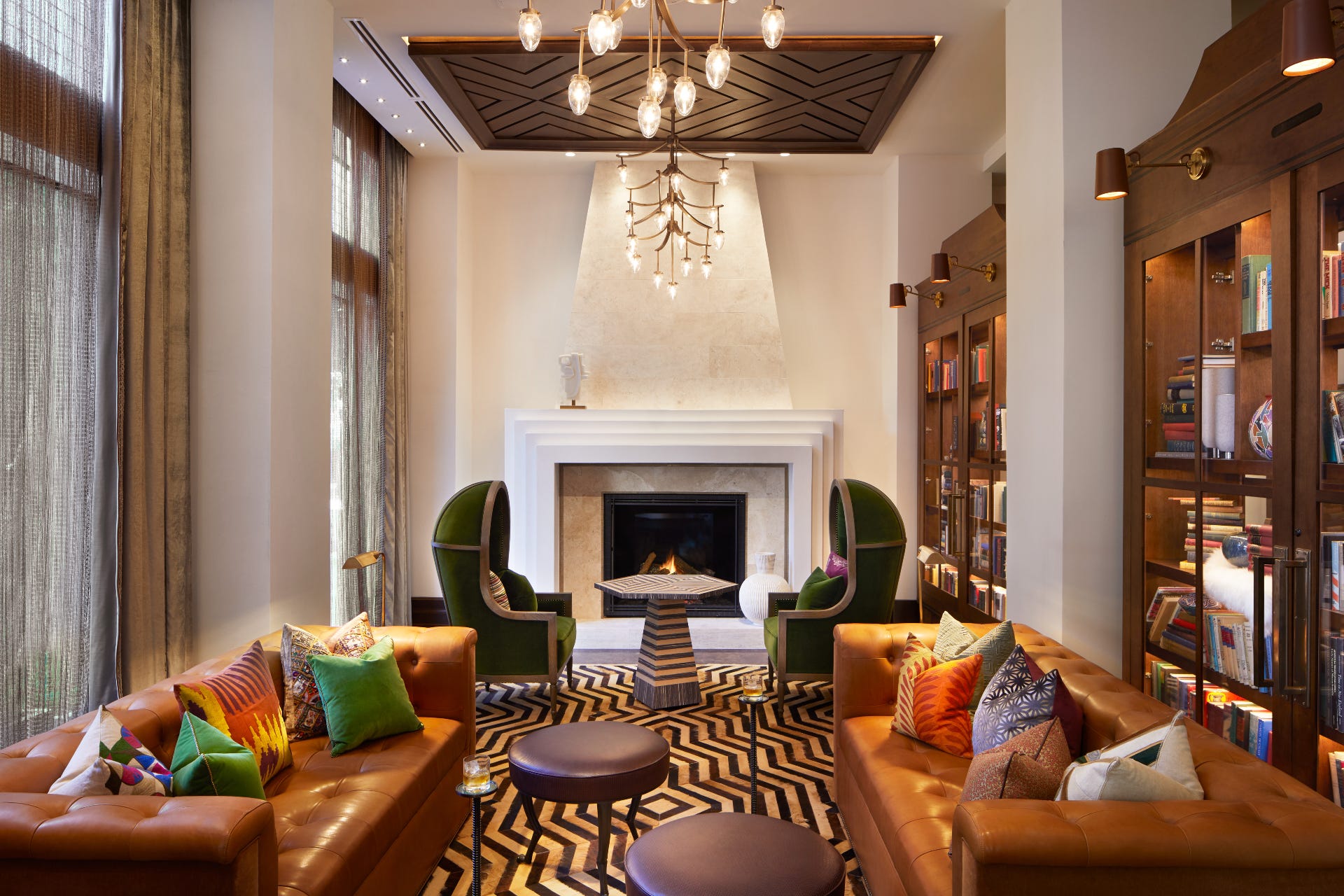
Austin’s boutique scene is a symphony of contrasts: the raw energy of live music venues against the serene minimalism of a designer loft. The LINE Austin, perched on the banks of the Colorado River, embodies this duality. Its rooftop pool offers panoramic views of the city’s skyline, while the interior’s bold geometric patterns and neon accents pay homage to the city’s vibrant arts culture. The hotel’s partnership with local musicians ensures that the soundtrack of your stay is as authentic as the tacos from a nearby food truck.
Deeper in the city, Hotel Saint Cecilia channels the bohemian spirit of South Congress. Housed in a 1920s motor court, the hotel’s courtyard pool is flanked by vintage Airstream trailers, and the rooms are adorned with handwoven textiles and locally sourced art. It’s a place where the line between guest and local blurs—perhaps over a cocktail at the hotel’s speakeasy, The Gerald, where the bartenders craft drinks inspired by Texas folklore.
Mexico City: A Tapestry of Tradition and Innovation
Mexico City’s boutique hotels are a masterclass in juxtaposition, where colonial facades conceal cutting-edge design. Casa Goliana, nestled in the heart of Polanco, is a prime example. This 19th-century mansion has been transformed into a 12-room sanctuary, its interiors a fusion of Mexican craftsmanship and contemporary elegance. The courtyard, with its bougainvillea-draped arches and trickling fountain, feels like a private oasis in a metropolis that pulses with life.
For those seeking a more avant-garde experience, Condesa DF in the trendy Condesa neighborhood offers a playground of sensory delights. The hotel’s rooftop terrace is a social hub, where guests mingle under the stars with views of the city’s iconic volcanoes. Inside, the rooms are a study in contrasts—sleek, black-and-white photography hangs beside vibrant murals, and the bathrooms feature freestanding tubs that invite long, contemplative soaks. It’s a place where the city’s creative energy is distilled into an unforgettable stay.
The Deeper Appeal: Why We Crave These Spaces
The rise of boutique hotels reflects a broader cultural shift: a rejection of the disposable in favor of the meaningful. In an era of algorithm-driven recommendations and mass-produced experiences, these stays offer something rare—a sense of place that feels both personal and profound. They remind us that travel isn’t just about checking destinations off a list; it’s about forging connections, whether with a city’s history, its people, or even its hidden corners. A boutique hotel isn’t just a place to sleep; it’s a lens through which to see the world anew.
Consider the ritual of arrival. In a chain hotel, you’re a number. In a boutique property, you’re a guest welcomed by name, perhaps with a handwritten note or a locally distilled welcome drink. The staff aren’t just employees; they’re curators of your experience, offering insider tips on where to find the best mezcal in Mexico City or the most underrated jazz club in Austin. This level of care transforms a stay into a story—a narrative that lingers long after checkout.
Beyond the Room: The Rituals That Define a Stay
What sets boutique hotels apart isn’t just their design, but the rituals they inspire. In New York, a morning coffee at the 1 Hotel’s rooftop café becomes a meditation on the city’s skyline. In Austin, a nightcap at Hotel Saint Cecilia’s Gerald bar might lead to a spontaneous conversation with a local artist. In Mexico City, a stroll through the streets surrounding Casa Goliana could uncover a hidden taco stand or a centuries-old church, its walls whispering centuries of history.
These moments are the true currency of travel. They remind us that the most memorable experiences aren’t found in guidebooks, but in the unscripted interactions that happen when we slow down and pay attention. Boutique hotels, with their emphasis on authenticity and intimacy, are the perfect catalysts for such revelations. They don’t just provide a bed for the night; they offer a passport to the heart of a place.