There exists a peculiar paradox in modern travel: the more exclusive the experience, the more it whispers of authenticity. In an era where mass tourism flattens cultures and commodifies landscapes, the world’s most rarefied safari camps defy this trend by offering not just opulence, but a return to the raw, unfiltered essence of the wild. These enclaves—where the number of tents rarely exceeds a dozen—are not merely retreats; they are sanctuaries of solitude, where the rhythm of the savanna dictates the pace of life, and every sunrise unfolds like a private revelation. What compels travelers to seek out such intimate, high-end wilderness hideaways? Perhaps it is the yearning to witness the untamed world through a lens unclouded by crowds, or the desire to reconnect with a primal part of ourselves that modern life has dulled. Whatever the reason, these camps represent the pinnacle of experiential travel, where luxury and wilderness coalesce into something transcendent.
The Allure of Intimacy: Why Fewer Tents Mean More Magic
At first glance, the scarcity of tents in these camps might seem like a mere marketing gimmick—a way to justify exorbitant prices. Yet, the reality is far more profound. A safari camp with only five to ten tents ensures that guests are never mere spectators but active participants in the landscape. The absence of crowds transforms every game drive into a personal safari, where the guide’s undivided attention reveals the subtleties of animal behavior that larger groups might miss. This intimacy extends beyond the practical; it fosters a sense of stewardship. When a camp’s footprint is minimal, its impact on the environment is equally slight, allowing the ecosystem to thrive undisturbed. The result is a symbiotic relationship between traveler and terrain, where the land feels less like a backdrop and more like a co-host in the journey.
Architectural Alchemy: Blending Into the Landscape Without Vanishing
The most exclusive safari camps are not just places to sleep; they are masterclasses in architectural harmony. Designers of these retreats often employ local materials—sandstone, thatch, reclaimed wood—to ensure structures appear as if they grew organically from the earth. Yet, this organic aesthetic belies the sophistication of their construction. Take, for instance, the tents at <Camp Name> in Botswana’s Okavango Delta, where solar-powered air conditioning and private plunge pools sit alongside handwoven textiles and bespoke furnishings. The contrast between rugged wilderness and refined comfort is deliberate, a visual metaphor for the duality of the safari experience: the thrill of the wild tempered by the reassurance of luxury. This approach also reflects a deeper philosophical shift in luxury travel—one that prioritizes authenticity over ostentation, where opulence is measured not in gold fixtures but in the seamless integration of human presence with natural beauty.
The Culinary Canvas: Where the Wild Becomes the Feast
Dining in these camps is not merely a meal; it is a culinary odyssey that transforms the savanna into a dining room and the stars into a chandelier. Chefs at top-tier safari camps often source ingredients from local communities, turning a simple dish of impala stew into a celebration of regional flavors. At <Camp Name> in Kenya’s Maasai Mara, guests might dine under a canopy of acacia trees, their plates adorned with foraged herbs and game meats prepared with techniques borrowed from both indigenous traditions and Michelin-starred kitchens. The experience is heightened by the unpredictability of the setting—wildlife passing by mid-bite, the scent of woodsmoke mingling with the earthy aroma of the land. This fusion of haute cuisine and untamed nature underscores a growing trend in luxury travel: the elevation of local culture into an art form, where every meal becomes a story etched into memory.
Conservation as a Cornerstone: Luxury with a Purpose
To stay in one of these camps is to become a silent custodian of the land. Many of the most exclusive properties are deeply entwined with conservation efforts, channeling a portion of their revenue into anti-poaching initiatives, wildlife research, or community development. <Camp Name> in Namibia’s Skeleton Coast, for example, operates a research station that tracks desert-adapted elephants, while <Camp Name> in Tanzania’s Serengeti funds ranger patrols to protect critically endangered black rhinos. This commitment to preservation is not just philanthropic; it is a core part of the guest experience. Morning briefings often include updates from conservationists, and guided walks might traverse areas where rewilding projects have restored habitats. The message is clear: luxury here is not detached from responsibility. Instead, it is a privilege that comes with the duty to safeguard the very landscapes that inspire awe.
The Guide’s Role: From Storyteller to Shaman
A safari guide in these exclusive camps is more than an expert—they are a conduit between the traveler and the wild. Their knowledge extends beyond species identification; they are historians, philosophers, and sometimes even impromptu therapists, offering insights into the land’s geological past or the cultural significance of a particular animal. At <Camp Name> in Zambia’s South Luangwa Valley, guides are trained in tracking techniques passed down through generations, their fingers tracing the subtle indentations in the earth that reveal a leopard’s recent passage. This depth of expertise transforms a game drive into a narrative journey, where every rustle in the grass becomes a chapter in an unfolding epic. The best guides also possess an intuitive understanding of their guests, adjusting the pace of the experience to match individual curiosities—whether that means lingering to watch a lioness teach her cubs to hunt or veering off-path to photograph a rare bird.
Technology in the Wild: Seamless Connectivity Without the Clutter
One might assume that the most remote safari camps forgo modern conveniences, but the opposite is often true. The finest properties strike a delicate balance between connectivity and seclusion, ensuring that guests can share their experiences without disrupting the sanctity of the wilderness. Solar-powered Wi-Fi, satellite phones, and discreet charging stations allow for communication with the outside world, while the absence of televisions or loudspeakers preserves the natural soundscape. At <Camp Name> in South Africa’s Sabi Sands, guests can upload photos to social media from a private viewing deck, their devices charged by kinetic energy harvested from the camp’s walkways. This integration of technology is not about staying plugged in; it is about capturing moments without losing the thread of the experience. It reflects a broader shift in luxury travel—where the goal is not to escape modernity entirely, but to curate its presence in a way that enhances, rather than detracts from, the journey.
The Psychology of Solitude: Why We Crave the Unspoiled
There is a quiet revolution underway in travel, one that rejects the idea that happiness is found in constant stimulation. The fascination with ultra-exclusive safari camps speaks to a deeper human need: the desire to confront the sublime in its purest form. In a world saturated with noise, these camps offer a rare commodity—silence, punctuated only by the calls of birds and the whisper of wind through the grass. Psychologists suggest that such environments trigger a state of “soft fascination,” where the mind is engaged but not overwhelmed, allowing for reflection and renewal. The absence of crowds also fosters a sense of exclusivity that appeals to the ego, but it is the absence of distraction that truly resonates. Here, the traveler is not just a guest but a participant in the rhythm of the wild, their senses awakened by the absence of the artificial. It is a reminder that luxury, at its core, is not about excess, but about the space to truly *be*.
The Future of Exclusive Safaris: Trends Shaping the Next Generation
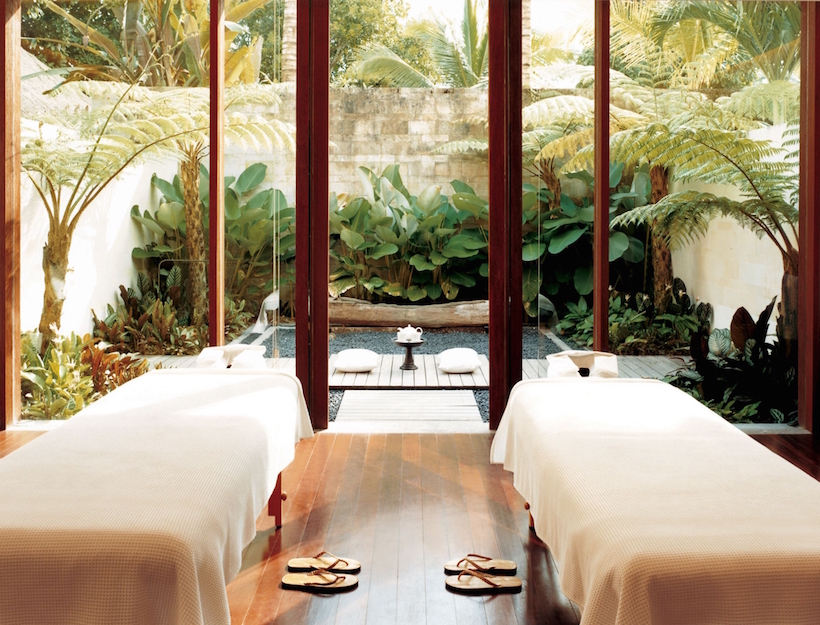
As demand for these intimate wilderness experiences grows, so too do the innovations that define them. The next wave of exclusive safari camps is likely to embrace sustainability even more rigorously, with properties aiming for net-zero emissions and zero-waste operations. There is also a rising interest in “slow safaris,” where guests spend days or even weeks in a single camp, immersing themselves in the rhythms of the land rather than rushing from one sighting to the next. Another trend is the integration of wellness into the safari experience, with camps offering yoga platforms overlooking waterholes or spa treatments using locally sourced botanicals. Yet the most enduring shift may be the growing emphasis on cultural exchange, where guests are invited to participate in traditional ceremonies or learn from local artisans. These developments suggest that the future of exclusive safaris lies not in isolation, but in a deeper, more reciprocal relationship with the places and people that make them possible.