There’s a quiet revolution happening on the rails. As the world grows louder, more crowded, and increasingly digital, the allure of slow travel—where the journey itself becomes the destination—has never been more compelling. For solo travelers, particularly those seeking solitude without isolation, luxury train journeys offer an unparalleled blend of autonomy and connection. The rise of single cabins and social dining experiences on these journeys isn’t just a trend; it’s a response to a deeper human need: the desire to explore the world on one’s own terms, while still being part of a shared narrative. This is where the romance of rail travel meets the practicality of modern solo exploration.
The Allure of the Single Cabin: Privacy in Motion
The single cabin on a luxury train is more than just a private space—it’s a sanctuary in motion. Unlike cramped airline seats or impersonal hotel rooms, these cabins are designed with the solo traveler in mind, offering ergonomic layouts, soundproofing, and panoramic windows that frame the ever-changing landscapes like living paintings. The absence of a roommate ensures uninterrupted rest, but the true magic lies in the illusion of control. Here, you dictate the rhythm of your journey: wake up to the sunrise over the Alps, linger over breakfast at your own pace, or retreat into a novel while the world glides past outside. It’s a rare luxury in an era where constant connectivity often erodes personal boundaries.
Yet, the appeal of the single cabin extends beyond mere comfort. For many solo travelers, it’s a psychological buffer—a way to recharge after days of navigating unfamiliar cities or engaging in the performative sociality of group tours. The cabin becomes a mobile hermitage, a place where one can shed the roles of tourist, conversationalist, or observer and simply *be*. This is why luxury trains like the Venice Simplon-Orient-Express and the Belmond Royal Scotsman have reimagined their single occupancy options not as an afterthought, but as a cornerstone of the experience. The message is clear: solitude is not synonymous with loneliness.
Social Dining: The Art of Shared Solitude
If the single cabin is the soul of the journey, then social dining is its heartbeat. Luxury trains have mastered the delicate balance between communal conviviality and personal space, creating dining cars that feel like floating salons where strangers become companions—if only for a meal. The key lies in the design: communal tables encourage interaction, but the absence of assigned seating allows introverts to opt for quieter corners. The food, often locally sourced and meticulously prepared, becomes a conversation starter, a shared language that transcends nationality and background.
Consider the Golden Eagle Danube Express, where passengers dine on Hungarian goulash while discussing the architecture of Budapest with a retired architect from Sydney. Or the Eastern & Oriental Express, where a table of strangers might toast with Singapore Sling to the sight of palm-fringed coastlines. These moments aren’t forced; they’re organic, born from the shared awe of the landscape and the unspoken understanding that everyone on board has chosen this journey for similar reasons. It’s a reminder that while travel can be a solitary pursuit, human connection is often the most rewarding souvenir.
Routes That Tell a Story: From Alpine Serenity to Desert Mystique
The world’s most luxurious train journeys are not merely routes—they are narratives etched into the land itself. The Glacier Express in Switzerland doesn’t just traverse the Alps; it narrates a story of jagged peaks, emerald valleys, and the quiet resilience of alpine villages. The Transcaucasian Railway in Georgia weaves together the threads of history, from Soviet-era stations to the vineyards of Kakheti, where passengers sip amber-hued wines as the train winds through tunnels carved by ancient hands. Each journey is a palimpsest, where the landscape reveals layers of time, culture, and human ingenuity.
For the solo traveler, these routes offer something profound: a sense of place that’s impossible to replicate in a guidebook or a quick city stop. The rhythm of the rails becomes a metronome, syncing the traveler’s heartbeat with the pulse of the land. Whether it’s the golden dunes of the Desert Express in Namibia or the mist-shrouded lochs of the Jacobite Steam Train in Scotland, the journey itself becomes a form of meditation. There’s no need to rush; the train waits, the scenery unfolds, and the traveler is free to absorb it all at their own pace.
The Psychology of Slow Travel: Why We Crave the Rails
In an age of hypermobility, where flights crisscross the globe in hours and itineraries are packed with checkbox destinations, the slow pace of a luxury train feels almost radical. Yet, it’s this very slowness that makes it so therapeutic. Studies in neuroscience suggest that the brain processes travel differently when the journey is extended; the hippocampus, responsible for memory and spatial navigation, thrives on the sensory input of a multi-day trip. The clatter of wheels on tracks, the scent of pine forests drifting through open windows, the way the light changes at dusk—these are not distractions but essential nutrients for the mind.
For solo travelers, the psychological benefits are amplified. The absence of the pressure to perform—whether in a group or as a couple—allows for deeper introspection. The train becomes a moving meditation, a place where one can confront boredom without reaching for a screen, where the mind is free to wander. This is why luxury trains often attract a demographic that defies stereotypes: not just retirees or honeymooners, but writers, artists, and digital nomads seeking a reset. The journey isn’t just a means to an end; it’s a destination in itself.
Design and Detailing: The Unsung Heroes of Luxury Rail Travel
Behind every sumptuous train journey lies a symphony of design choices that elevate the experience from mere transportation to a full sensory immersion. The Belmond Andean Explorer in Peru, for instance, features cabins with handwoven textiles and copper sinks, blending indigenous craftsmanship with modern luxury. The Seven Stars in Kyushu in Japan employs *wabi-sabi* aesthetics, where imperfect ceramics and asymmetrical floral arrangements evoke a sense of quiet elegance. Even the lighting is curated: warm, diffused hues in dining cars to encourage conversation, cooler tones in cabins to promote rest.
These details matter because they transform the train from a vehicle into a character in the traveler’s story. The choice of fabrics, the curvature of the banquettes, the way the staff address passengers by name—all contribute to a sense of being *cared for* rather than merely accommodated. For solo travelers, this attention to detail is particularly poignant. It’s a reminder that luxury isn’t about excess; it’s about the thoughtful curation of an environment where one feels both pampered and at ease.
The Unspoken Bond of Fellow Passengers
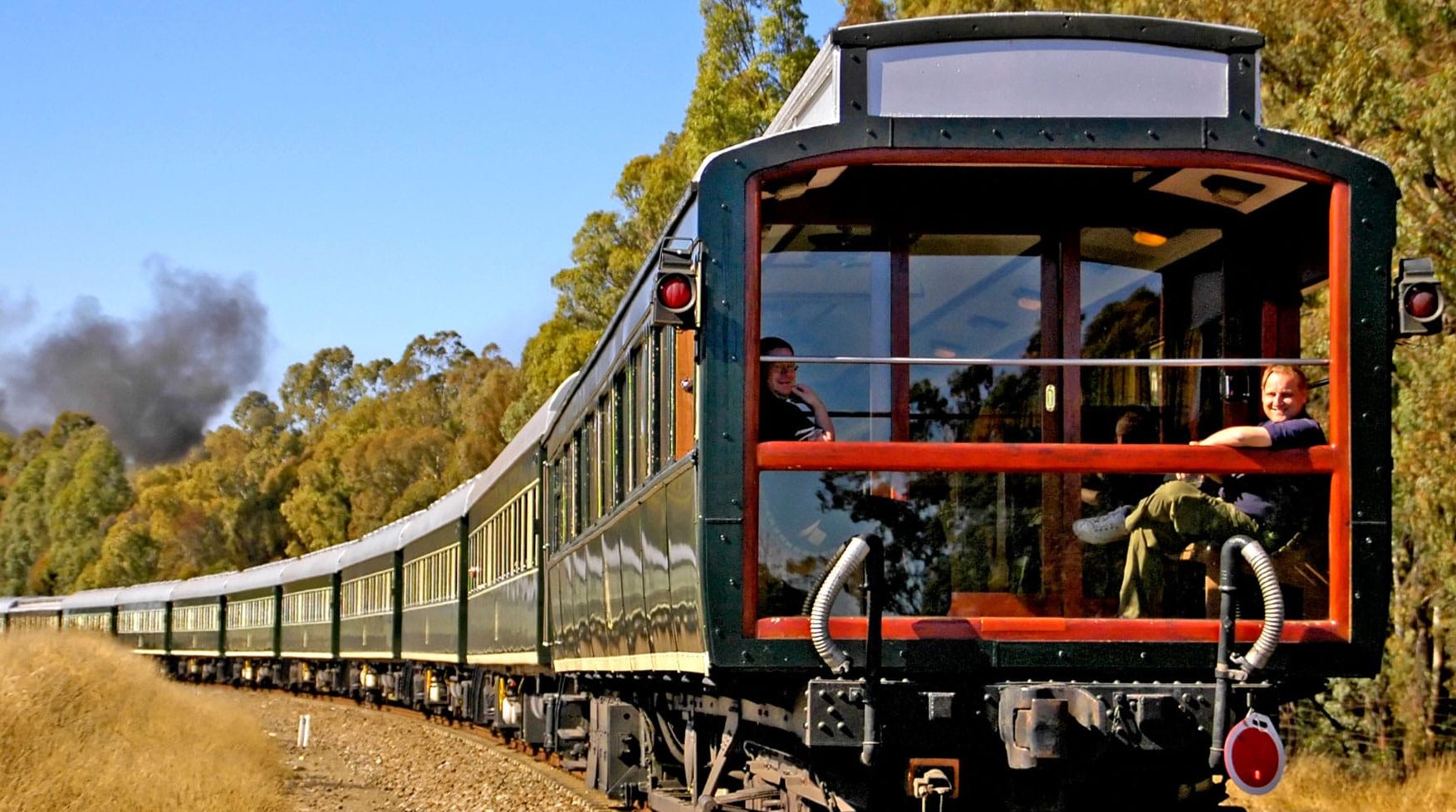
One of the most unexpected joys of luxury train travel is the community that forms among passengers, often without a single word being exchanged. There’s a shared understanding that everyone on board has made a deliberate choice to prioritize experience over efficiency. This unspoken bond is most evident in the dining cars, where strangers might exchange knowing smiles as the train rounds a bend, revealing a vista so breathtaking it renders speech unnecessary. Or in the observation cars, where a group of travelers might gather to watch the sunset, their silence as comfortable as a shared secret.
For solo travelers, this camaraderie offers a middle ground between isolation and forced socialization. It’s possible to retreat to one’s cabin after dinner, yet still feel connected to the collective energy of the journey. The train becomes a microcosm of the world—diverse, unpredictable, and ultimately kind. This is why luxury trains often attract repeat passengers; the relationships formed aren’t fleeting, but etched into the memory of the journey itself.
Practical Considerations: Booking, Seasons, and Etiquette
While the allure of luxury train travel is undeniable, the practicalities require careful planning. Single cabins, though increasingly common, are in high demand, especially on routes like the Canadian or the Trans-Siberian, where demand peaks in summer. Off-peak seasons—spring in the Swiss Alps or autumn in the Canadian Rockies—offer not only lower prices but also a more intimate experience, with fewer passengers and a slower pace. It’s also worth noting that some trains, like the Maharajas’ Express in India, operate only during specific months, so timing is everything.
Etiquette on luxury trains is another consideration. While formal dress codes have relaxed in recent years, many trains still expect smart casual attire in the evenings. The dining experience, meanwhile, is a blend of structure and spontaneity—meals are served at set times, but the conversation is fluid. Solo travelers should embrace the rhythm of the train, arriving for meals promptly but allowing themselves the freedom to linger or explore the observation car if they prefer solitude. The key is to remain open to the experience without feeling beholden to it.
The Future of Solo Luxury Rail Travel
As climate concerns grow and the pace of modern life accelerates, the appeal of luxury train travel shows no signs of waning. In fact, it’s evolving. New routes, like the Bhutanese Royal Train or the Luxury Cruise Train in South Africa, are emerging to cater to niche interests, from spiritual retreats to wildlife safaris. Technology is also playing a role, with some trains now offering augmented reality guides that overlay historical context onto the passing scenery. Yet, the core appeal remains unchanged: the promise of a journey where the destination is secondary to the experience of getting there.
For solo travelers, this is more than just a holiday—it’s a statement. A statement that travel doesn’t have to be a race. That solitude can be luxurious. That the world is best explored not in a blur of airports and hotels, but at the pace of a train rolling through the countryside. In an era where connection is often digital and fleeting, luxury train journeys offer something rarer: a moment of true presence, shared with oneself and, perhaps, with a few kindred spirits along the way.