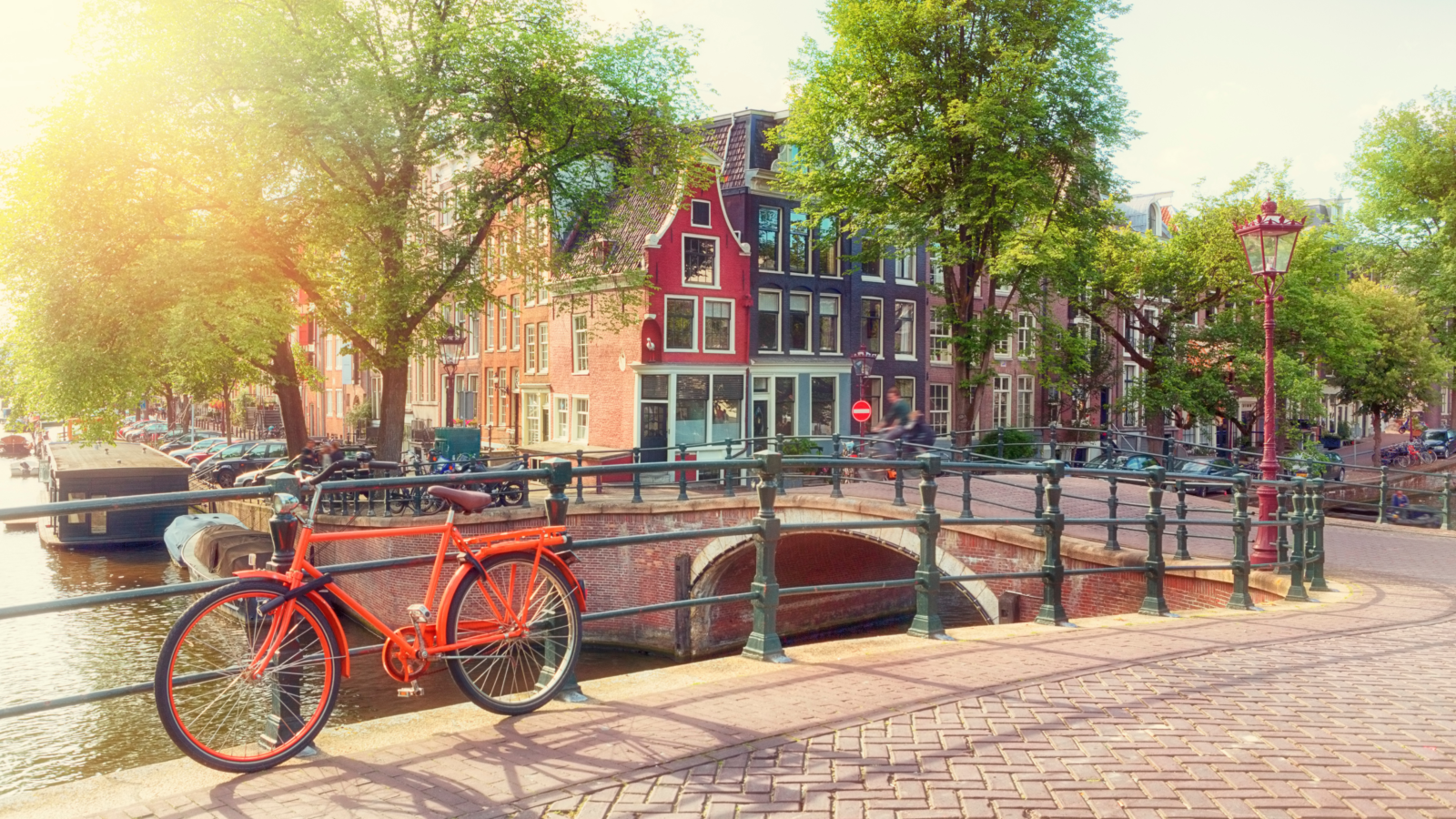
Amsterdam’s compact layout, vibrant canals, and liberal atmosphere draw millions of visitors each year. While most tourists enjoy the city’s charm, a handful of common pitfalls repeatedly dampen the experience—for both the traveler and locals. Understanding why these mistakes happen and how to avoid them can preserve the relaxed vibe that makes Amsterdam unique.
1. Ignoring Bicycle Etiquette
The city’s streets are dominated by cyclists, and failing to respect their flow can lead to dangerous encounters. Many first‑time visitors walk or stand in bike lanes, assuming they are merely sidewalks. This misunderstanding stems from Amsterdam’s reputation as a “bike capital,” which encourages tourists to view cycling as optional rather than integral. To stay safe and courteous, keep to designated pedestrian paths, look both ways before crossing, and never block a bike lane with luggage or a stroller.
2. Over‑Planning the Canal Belt
Tourists often rush to see every historic canal in a single day, believing the more sights the better. This approach overlooks the leisurely rhythm of Amsterdam, where residents savor coffee along the water’s edge. The pressure to “tick off” each bridge creates a checklist mentality that can feel intrusive to locals. Instead, select a few favorite canals, stroll at a relaxed pace, and allow spontaneous detours to reveal hidden courtyards and boutique cafés.
3. Expecting English Everywhere
While Dutch residents are proficient in English, assuming every sign, menu, or service is bilingual can be presumptuous. The city’s pride in its language often means that smaller establishments use Dutch‑only signage. Tourists who insist on English may inadvertently dismiss local culture. Making a small effort—learning basic phrases like “alstublieft” (please) and “dank u” (thank you)—fosters goodwill and deeper immersion.
4. Treating Coffeeshops Like Tourist Traps
Coffeeshops are legal venues for cannabis consumption, but many visitors treat them as novelty stops, crowding tables for selfies rather than respecting the quiet, contemplative environment patrons seek. This behavior reflects a fascination with the city’s liberal policies, yet it can clash with the sober, reflective atmosphere many locals appreciate. Choose a seat, order responsibly, and keep noise levels low to maintain the venue’s intended vibe.
5. Purchasing Souvenirs from Street Vendors Without Checking Authenticity
The allure of cheap tulip bulbs or wooden clogs can lead tourists to buy items that are mass‑produced abroad. This practice not only supports counterfeit markets but also undermines Amsterdam’s reputation for quality craftsmanship. The deeper appeal lies in tangible reminders of the trip, but genuine souvenirs—such as Delft‑style ceramics made locally—offer authenticity and support the city’s artisans.
6. Using Taxis Instead of Public Transport
Many travelers default to taxis, assuming they are more convenient than trams or buses. However, Amsterdam’s public transport network is efficient, affordable, and environmentally friendly. Overreliance on taxis contributes to traffic congestion and air pollution, contradicting the city’s sustainable image. Purchasing an OV‑chipkaart grants access to trams, metros, and ferries, ensuring a smoother, greener travel experience.
7. Disrespecting the “No Smoking” Areas
Despite the Netherlands’ relaxed stance on tobacco, smoking is prohibited in many indoor public spaces, including museums and cafés. Tourists who light up in these zones often overlook the clear signage, inadvertently breaching local regulations. This mistake reflects a broader assumption that Dutch permissiveness extends universally. Always verify designated smoking areas to avoid fines and maintain public courtesy.
8. Overlooking the Importance of “Gezellig”
“Gezellig” describes a warm, cozy atmosphere that locals value highly. Visitors who prioritize nightlife loudness or rush through social settings may miss this subtle cultural nuance. The fascination with Amsterdam’s nightlife can lead to noisy gatherings that disrupt the intimate ambience of local bars and restaurants. Engaging in relaxed conversation, savoring a pastry, and embracing the calm will align more closely with the city’s spirit.
9. Ignoring the Museum Quarter’s Quiet Hours
Major museums such as the Rijksmuseum and Van Gogh Museum implement quiet hours to preserve artwork and respect visitors. Tourists who speak loudly, use flash photography, or congregate near exhibits ignore these guidelines, disrupting the contemplative environment. The desire to capture Instagram‑ready moments often overshadows the museums’ intent to provide a reflective space. Observe posted rules, use designated photo areas, and keep voices low.
10. Assuming All Food Is “Dutch”
Amsterdam’s culinary scene is diverse, yet many tourists default to eating “Dutch” dishes like raw herring or stroopwafels at every opportunity. This narrow view reduces the city’s rich multicultural offerings to a few stereotypical items. The fascination with traditional fare can eclipse the flavors introduced by Indonesian, Surinamese, and modern fusion restaurants. Exploring varied cuisines not only broadens the palate but also acknowledges the city’s historic global connections.