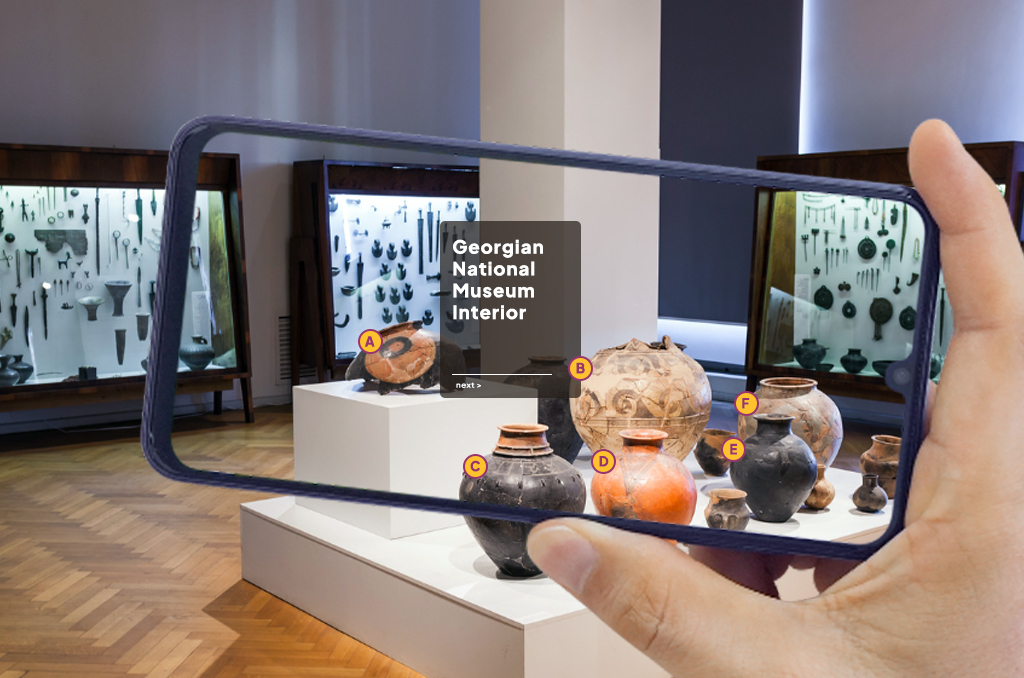
Museums are no longer static repositories of artifacts—they have transformed into dynamic, immersive spaces where technology breathes life into history, art, and culture. Among the most revolutionary tools reshaping the museum experience are self-guided tour apps, which blend audio narratives, augmented reality (AR), and interactive storytelling to create personalized journeys. Whether you’re a history buff, an art enthusiast, or a curious traveler, these apps offer a way to explore collections at your own pace, uncover hidden details, and engage with exhibits in ways previously unimaginable. Below, we delve into 10 standout museum travel apps that redefine how we experience cultural institutions.
The Rise of Self-Guided Museum Apps: A Paradigm Shift in Cultural Exploration
The traditional museum visit often followed a linear path, dictated by room layouts and signage. Self-guided apps disrupt this model by placing the visitor in control. These digital companions provide curated audio guides, AR overlays that reconstruct historical scenes, and even gamified challenges to deepen engagement. The shift toward app-based exploration reflects a broader trend in travel—one where personalization and interactivity take precedence over passive observation. Museums adopting these tools report increased visitor satisfaction and longer dwell times, as users linger to uncover every layer of a story.
Audio Narratives: The Unseen Storytellers of Museum Galleries
At the heart of many museum apps lies a rich tapestry of audio narratives. These aren’t mere descriptions of artifacts; they’re immersive soundscapes that transport listeners to the era of a painting, the battlefield of an ancient artifact, or the studio of a master sculptor. Some apps feature voice performances by historians or the artists themselves, while others use ambient sounds—clinking pottery, distant chatter, or the rustle of parchment—to evoke authenticity. The best audio guides adapt to the visitor’s pace, allowing pauses for contemplation or quick skips to areas of interest. For those with visual impairments, these narratives ensure an inclusive experience, proving that sight isn’t the only sense that can appreciate art.
Augmented Reality: Bringing Exhibits to Life with Digital Magic
Augmented reality is the secret sauce that transforms a museum visit from educational to extraordinary. By overlaying digital elements onto the physical world, AR apps can reconstruct destroyed monuments, animate static sculptures, or even let users “hold” a 2,000-year-old artifact in their hands via their smartphone screen. Some museums use AR to highlight details invisible to the naked eye—such as the brushstrokes of a Van Gogh or the inscriptions on a cuneiform tablet. Others deploy AR to create interactive exhibits where visitors solve puzzles to unlock hidden stories. The technology’s versatility makes it ideal for everything from children’s museums, where AR scavenger hunts delight young explorers, to archaeological sites, where it breathes life into ruins.
Gamification: Turning Museum Visits into Interactive Adventures
Why should learning feel like a chore when it can feel like a game? Gamified museum apps inject playful competition into cultural exploration, rewarding visitors for completing challenges, answering trivia, or collecting digital badges. Some apps turn entire exhibitions into escape rooms, where users must decipher clues hidden in artifacts to “unlock” a final reward. Others incorporate augmented reality to create scavenger hunts, where players use their phones to scan QR codes or solve puzzles tied to specific exhibits. The benefits are twofold: visitors retain more information through active participation, and museums gather valuable data on which exhibits resonate most with their audience. For families, these apps turn a museum trip into a bonding experience where everyone—from toddlers to grandparents—can participate.
Offline Access: Exploring Without the Constraints of Connectivity
Not all museum visits happen within the cozy confines of a Wi-Fi zone. Many self-guided apps now offer offline access, allowing users to download maps, audio guides, and AR content before entering a museum or archaeological site. This feature is a game-changer for travelers exploring remote locations or those wary of data roaming charges. Offline mode ensures that a hiker in the Scottish Highlands can still access a virtual tour of a castle ruin, or a traveler in Venice can navigate the Doge’s Palace without losing signal in a marble labyrinth. The best apps also include features like battery-saving modes and low-data options to ensure a seamless experience, even in the most connectivity-challenged environments.
Multilingual Support: Bridging Language Barriers in Global Museums
In an era of global tourism, language should never be a barrier to cultural enrichment. Many museum apps now offer multilingual support, with audio guides and text translations available in dozens of languages. This inclusivity extends beyond just English, Spanish, or Mandarin—some apps include rare dialects or sign language options for the deaf and hard of hearing. For international visitors, this feature eliminates the frustration of deciphering cryptic exhibit labels or missing out on key details due to a language gap. It also benefits museums in multicultural cities, where diverse audiences deserve equal access to their collections. The result is a more equitable and enriching experience for all visitors.
Personalized Itineraries: Crafting Your Ideal Museum Journey
The beauty of self-guided apps lies in their adaptability. Instead of following a one-size-fits-all route, visitors can curate their own itineraries based on interests, time constraints, or even mood. Some apps use AI to recommend exhibits based on a user’s past visits or preferences, while others allow manual filtering by era, artist, or theme. For example, a visitor short on time might focus on a museum’s “must-see” highlights, while a dedicated art lover could dive deep into a lesser-known collection. Personalization extends to pacing as well—users can linger on a single exhibit for an hour or breeze through an entire wing in 20 minutes. This flexibility ensures that every visit feels unique and tailored to the individual.
Social Sharing: Documenting and Discussing Your Museum Experience
In the age of Instagram and TikTok, even museum visits are becoming social events. Many self-guided apps incorporate features that allow users to document their journey, from snapping photos of AR reconstructions to sharing audio highlights with friends. Some apps include built-in social feeds where visitors can post their favorite discoveries or engage in discussions about exhibits. Others integrate with platforms like Twitter or Facebook, enabling users to share their experiences with a broader audience. This not only enhances the personal enjoyment of a visit but also fosters a sense of community among museum-goers. For museums, these social interactions serve as free marketing, as visitors become ambassadors for the institution.
Behind-the-Scenes Content: Peering into the Inner Workings of Museums
What happens when the museum closes its doors? Some apps offer a rare glimpse behind the scenes, revealing the conservation processes, storage facilities, and research that keep collections alive. Users might watch videos of conservators delicately restoring a painting, explore 3D models of artifacts still in crates, or listen to curators discuss the challenges of acquiring a controversial piece. This transparency builds trust and appreciation for the work that goes into preserving cultural heritage. It also satisfies the curiosity of visitors who’ve ever wondered, “How do they decide what gets displayed?” By demystifying the museum’s operations, these apps foster a deeper connection between the public and the institution.
Future Innovations: What’s Next for Museum Travel Apps?
The evolution of museum apps shows no signs of slowing down. Emerging technologies like virtual reality (VR) and artificial intelligence (AI) are poised to take self-guided tours to the next level. Imagine donning a VR headset to “step into” a historical event or using AI to generate a custom audio guide based on your real-time reactions to an exhibit. Some apps are already experimenting with biometric feedback, where sensors detect a visitor’s interest level and adjust the tour accordingly. Others are exploring blockchain to create digital certificates for artifacts, allowing users to “own” a piece of history virtually. As these innovations develop, the line between physical and digital experiences will continue to blur, offering ever more immersive and personalized ways to engage with culture.