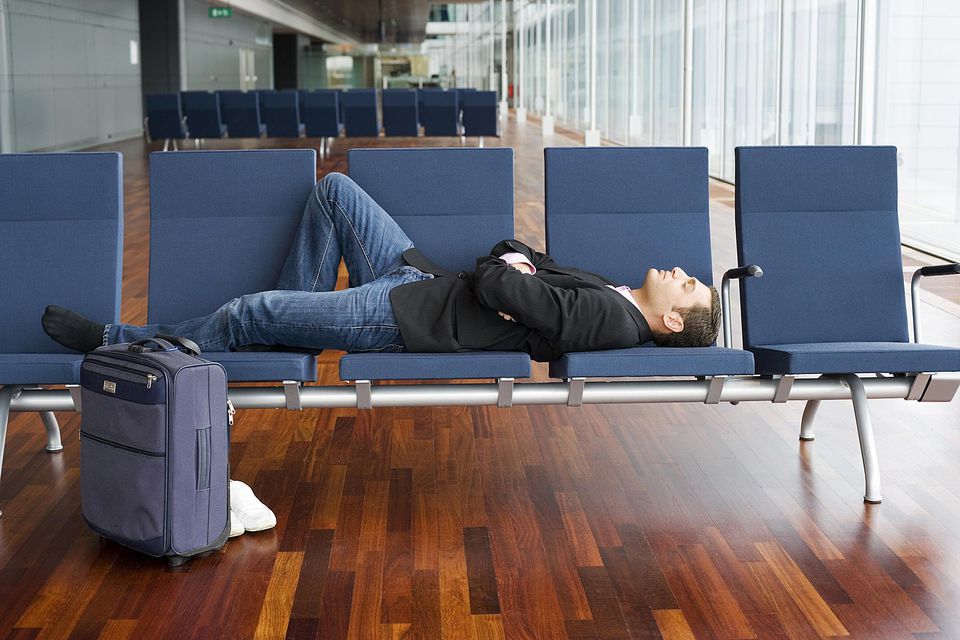
Welcome, intrepid wanderer, to the labyrinthine world of airport security—a realm where the mundane collides with the spectacular, and the act of sleeping becomes an audacious declaration of trust in a space brimming with unpredictability.
The Allure of Resting Gazes
In airports—temporal nexuses of global movement—the very ground beneath us seems to pulse with the rhythm of transient souls. The temptation to recline, even for a fleeting moment, is irresistible. Yet, this simple act of surrendering oneself to the airport’s vast interior can be fraught with perilous oversight.
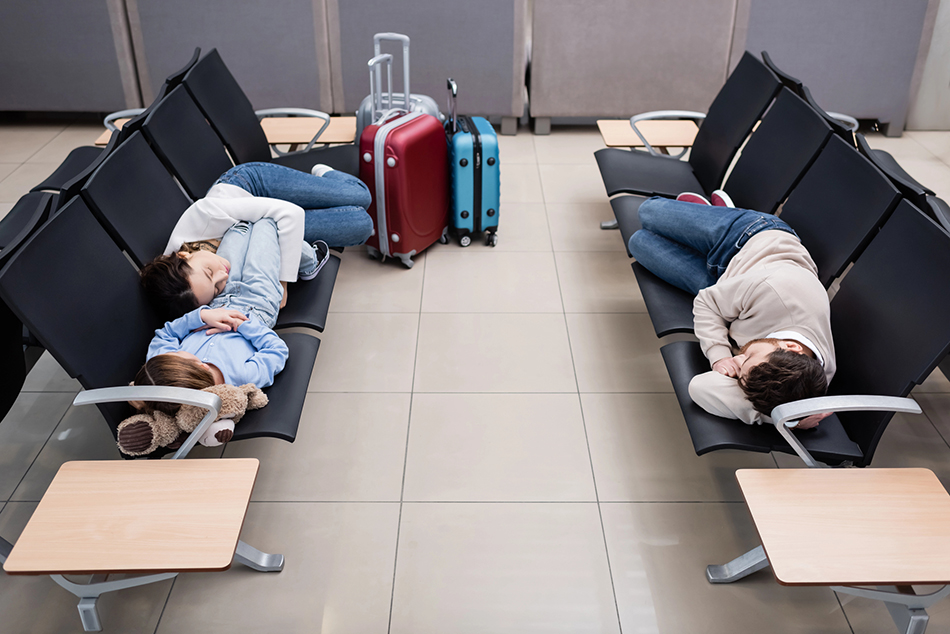
The image above captures a traveler’s repose amidst the sterile humdrum of terminals, a tableau that begs the question: what deeper fascination beckons us to trust these bustling bastions of travel with our most vulnerable selves?
1. Ignoring Surveillance Blind Spots
A cardinal sin for the nocturnal wanderer is to dismiss the omnipresent gaze of surveillance technology. Cameras, discreetly positioned, watch over every nook and cranny, yet their viewing angles can create deceptive blind spots—areas where one might assume privacy only to find themselves unwittingly broadcasted.
2. Neglecting Personal Security Devices
In the quest for comfort, many travelers eschew personal security tools such as anti-theft backpacks or cable locks for laptops and chargers. This oversight can render one susceptible to opportunistic thieves who thrive in the underbelly of airport terminals.
3. Overlooking Hygiene Considerations
The sterile surfaces of seating and restrooms often belie a lack of hygiene standards that travelers may overlook. Failing to sanitize or use personal wipes can lead to inadvertent exposure to myriad pathogens, turning a brief nap into an unanticipated health hazard.
4. Disregarding Airport Noise Levels
Airports are cacophonous by nature, with the constant drone of announcements, rolling carts, and ambient chatter. Ignoring noise-canceling headphones or earplugs can result in fragmented sleep or, conversely, an unnerving silence that heightens alertness to potential threats.
5. Underestimating Emergency Protocols
In the heart of every terminal lies a web of emergency procedures—evacuation routes, first-aid stations, and security personnel poised for action. Disregarding these protocols can leave one ill-prepared in the event of an unforeseen incident.
6. Ignoring Weather and Climate Factors
Certain airports, especially those in extreme climates, can pose additional challenges—whether combating arctic chill or scorching heat. Neglecting appropriate clothing or hydration strategies can transform a simple rest into an uncomfortable—or even dangerous—endeavor.
7. Overlooking Accessibility Needs
For travelers with disabilities, navigating the airport’s layout to find a secure sleeping spot can be daunting. Ignoring the availability of accessible seating areas or quiet zones may result in an inability to rest comfortably.
8. Disregarding Local Cultural Norms
In some regions, public sleep is culturally frowned upon, potentially leading to unwelcome attention from staff or fellow travelers. Understanding and respecting local norms can prevent awkward encounters or security checks triggered by suspicion.
9. Ignoring Alertness to Surroundings
Sleeping without maintaining peripheral awareness can render one oblivious to immediate threats—be they minor, like the approach of a cleaning crew, or major, such as an emergency evacuation signal.
10. Underestimating Time Sensitivity
In the fast-paced world of air travel, delays are commonplace. Sleeping without accounting for potential time shifts can result in missed connections or heightened stress upon waking to find oneself stranded at a gate.
11. Overlooking Personal Safety Contracts
Some travelers opt for personal safety services—concierge-style assistants who monitor their well-being during layovers. Neglecting such arrangements, especially in unfamiliar locales, can leave one exposed to the whims of chance.
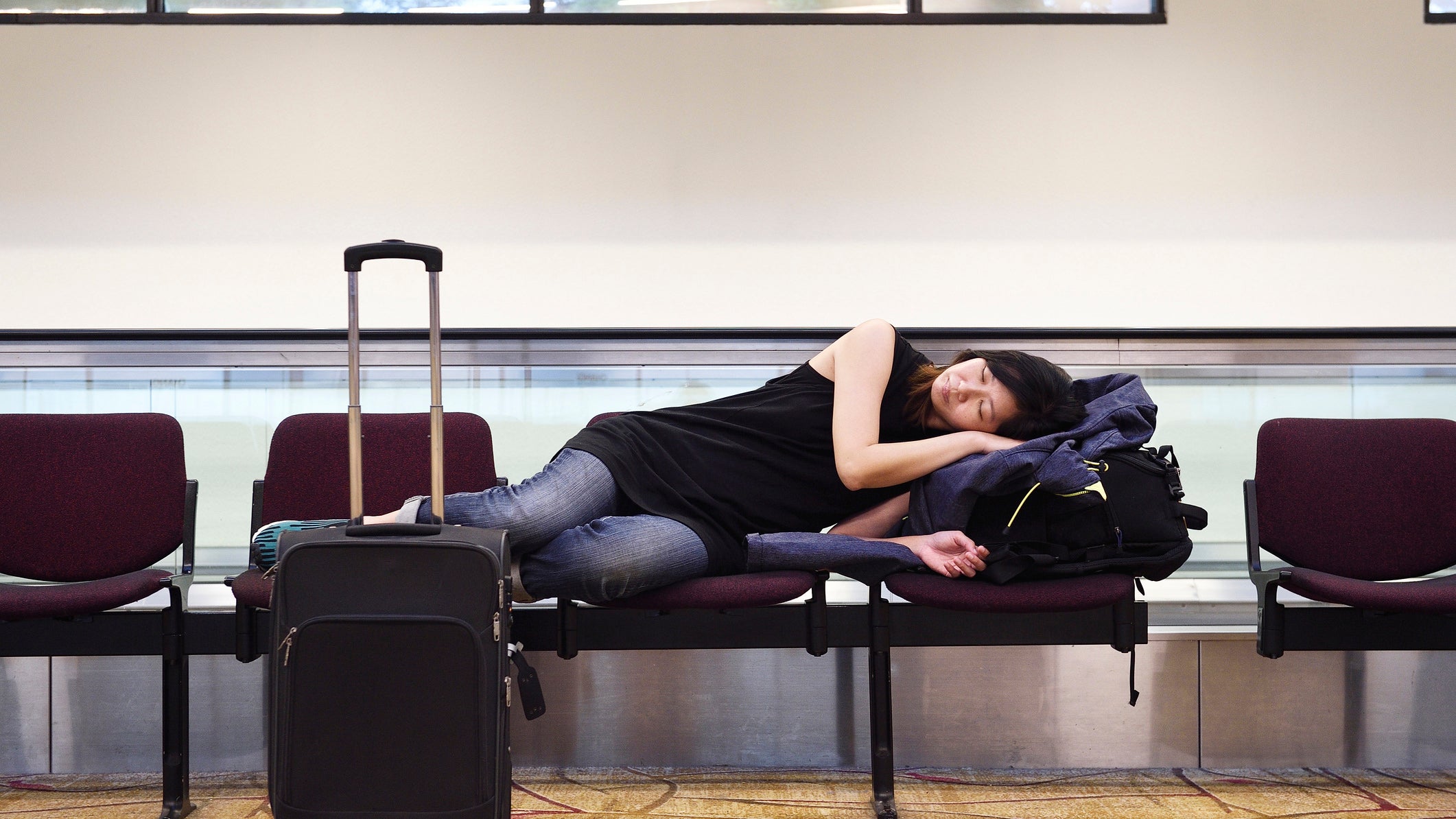
The photograph above illustrates a traveler embarking on a strategic rest amid the bustling terminal environment—a visual testament to the delicate balance between repose and vigilance.
Concluding Reflections
In the tapestry of air travel, where each thread represents a moment of transition or discovery, sleeping in airports emerges as both a pragmatic necessity and an audacious act of faith. By addressing these common mistakes with thoughtful preparation and awareness, travelers can transform potential vulnerabilities into opportunities for serene reprieve—a paradoxical harmony of risk and refuge that defines the spirit of global exploration.