There is an almost primal allure to a city’s street food. It is not merely about satiating hunger; it is a geographic fingerprint, a sensory autobiography written in steam, smoke, and sizzle. For a traveler, finding a meal that is both exquisite and pocket-friendly—under the auspices of ten dollars—is akin to discovering a secret passage into the soul of a place. The following eleven cities do not just offer cheap eats; they offer an edible cartography, a narrative where every skewer, dumpling, or taco is a chapter. Here, the price point is not a limitation but a liberation, forcing you into authenticity.
Ho Chi Minh City, Vietnam: The Symphony of the Street
Saigon’s culinary landscape is a relentless, beautiful cacophony. Forget the white-tablecloth restaurants; the real action is on the plastic stools that crowd the sidewalks of District 1. For less than two dollars, a bowl of phở or bún bò Huế arrives, a broth that has been simmering for hours, its depth a testament to patience. The genius here is the zero-compromise approach to complexity. You will find bánh mì sandwiches—a legacy of French colonialism, now a distinctly Vietnamese rebellion of pâté, pickled daikon, and cilantro—for under a dollar. The observation is that the best food comes from the most unassuming carts; the deeper reason is that Vietnam’s history of resourcefulness has turned humble ingredients into haute cuisine.
Mexico City, Mexico: The Anarchic Bounty
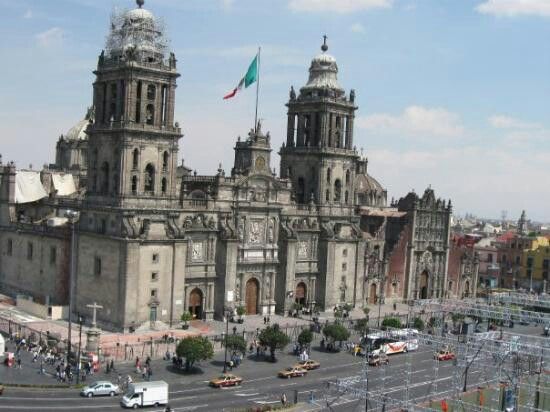
To walk through the mercados of CDMX is to witness a culinary insurgency against blandness. The taco is the undisputed monarch here, but the variety is staggering. Canasta tacos, steamed in baskets and filled with chicharrón or frijoles, cost mere pesos. A tlacoyo—a thick, oval corn cake stuffed with fava beans or requesón—offers a pre-Hispanic chewiness that modern flours cannot replicate. The city’s fascination with chapulines (grasshoppers) might seem exotic, but it is a pragmatic act of utilizing any available protein. The informal tone of the street vendor masks a rigorous technical skill; the salsa is always a complex alchemy of chiles that changes one’s perception of heat itself.
Bangkok, Thailand: The Theater of Chaos
Bangkok’s street stalls are not static; they are kinetic performances. The wok is a stage, the flames a spotlight. For under 60 baht, one can experience pad thai that is simultaneously sweet, sour, salty, and savory, a balance that feels almost philosophical. The som tam (papaya salad) is pounded in a mortar with a rhythm that sounds like a heartbeat. The observation is the speed of service; the deeper truth is that Thai cuisine relies on a strict binary opposition—cooling herbs like mint and coriander against fiery bird’s eye chilies. This duality is not accidental; it is a climatic adaptation to the tropical heat, a cooling mechanism built into the flavor profile.
Istanbul, Turkey: The Cross-Continental Mosaic
Standing on the Bosphorus, one eats a balık ekmek (fish sandwich) that tastes of two continents. The grilled mackerel is simple, but the bread is sturdy, the onions sharp, and the squeeze of lemon a necessary acidity. The city’s street food is a living archive of the Silk Road and Ottoman trade routes. Simit—a sesame-crusted bread ring—is the morning fuel of millions, often bought from a red cart for a single lira. Midye dolma (stuffed mussels) are sold by hawkers with a theatrical flair, the vendor opening the shell to reveal a perfumed rice filling. The fascination lies in the layering of influences: Greek, Armenian, Turkic, and Levantine traditions all compressed into a single, portable bite.
Marrakech, Morocco: The Spice-Scented Alleyway
Navigating the labyrinthine souk in Marrakech is an olfactory pilgrimage. The air is thick with saffron, cumin, and the smoke of charcoal grills. A brochette of kefta (spiced minced meat) is a masterclass in seasoning, often served with a side of khobz (bread) for less than a few dirhams. The harira soup, a tomato-based concoction with lentils and chickpeas, is a complete meal in a bowl, its complexity masking its low cost. The observation here is that Moroccan street food relies heavily on preserved ingredients—lemons, olives, and dried meats—a holdover from a time when desert travel necessitated non-perishable goods. The result is a cuisine of intense, concentrated flavor that defies its simple presentation.
Tokyo, Japan: The Precision of the Portable
Tokyo’s street food—though more regulated than in other cities—packs a disproportionate punch of elegance. A tamagoyaki (rolled omelet) from a vendor in the Tsukiji outer market is a study in control, each layer thin and perfectly seasoned with dashi. Yakitori skewers, grilled over binchotan charcoal, achieve a smoky, succulent quality that is difficult to replicate at home. Takoyaki (octopus balls) are a textural marvel: crisp exterior, molten interior. The underlying reason for this perfectionism is the Japanese concept of shokunin—the relentless pursuit of mastery in a single craft, even for a 200-yen snack. The simplicity of the ingredients belies hundreds of hours of practice.
Penang, Malaysia: The Melting Pot on a Plate
Georgetown, Penang, is arguably the greatest street food destination in Southeast Asia, and it is criminally cheap. Char kway teow—stir-fried flat rice noodles—is a symphony of wok hei (that smoky, charred flavor) and savory prawns. A bowl of assam laksa is a tart, fishy, spicy shock to the system, a flavor profile that is aggressively sour before it gives way to heat. The observation is that every dish is a hybrid. Chinese cooking techniques meet Malay spices meet Indian influences. The deeper reason is Penang’s history as a free port, a nexus of migration where cooks from different ethnicities adapted their grandmothers’ recipes, creating something entirely new. The result is a dizzying variety of flavor combinations available for a few ringgit.
Naples, Italy: The Architecture of Dough
Naples is not a city; it is a pizzeria writ large. The street food here is not about carts but about pizza a portafoglio (folded pizza) from a forno. For under €5, one can have a Margherita that is a testament to the holy trinity of tomato, mozzarella, and basil. But look further: cuoppo is a paper cone of fried seafood—baby octopus, anchovies, and shrimp—dusting your fingers with salt and lemon. The frittatina di pasta is a deep-fried, béchamel-filled pasta patty, an act of pure decadence. The underlying principle is resourcefulness; these foods were born from feeding large, poor families with leftovers. The magic is that the constraints of poverty created a texture and flavor that is now sought after by connoisseurs.
Portland, Oregon, USA: The Gentrified Griddle
Portland’s food cart pods have become a pilgrimage site for the locavore movement. Unlike the historical street food of the East, Portland’s version is deliberate and designed. A single cart might serve Korean-Mexican fusion tacos with house-made kimchee and local pork belly, all for $9. The focus is on hyper-local ingredients and ethical sourcing, even from a cart. Poutine with smoked gouda and braised beef is common; vegan pho with tempeh is equally respected. The observation is that Portland’s street food is a reflection of the city’s identity: rebellious, artisanal, and slightly self-aware. The deeper reason is a rejection of the corporate fast-food model; it is a grassroots attempt to reclaim flavor from industrialization, proving that $10 can buy a meal with a narrative of provenance.
Cairo, Egypt: The Ancient Street
In Cairo, the street food is a direct line to the Pharaonic, Coptic, and Islamic past. Ful medames—slow-cooked fava beans mashed with olive oil, lemon, and cumin—has been eaten for millennia. It costs less than a dollar. Tamiya (Egyptian falafel) is made from fava beans rather than chickpeas, giving it an earthier, greener flavor. The koshari is a carbohydrate masterpiece: rice, lentils, macaroni, and chickpeas topped with a spicy tomato sauce and crispy onions. The genius is the intersection of texture and dryness, with the sauce providing the only moisture. The underlying truth is that Egyptian street food is a reflection of the Nile valley’s agricultural bounty—legumes and grains—which have sustained a civilization for thousands of years. It is a meal that tastes of history.
Lima, Peru: The Coastal Fusion
Lima’s street food is a bold, ceviche-centric affair, but the price point for a ceviche de pescado is astonishingly low. The causa—a yellow potato cake layered with chicken or tuna and avocado—is a cold, creamy revelation. Anticuchos are skewers of beef heart, marinated in vinegar, cumin, and aji panca, grilled to a chewy, smoky tenderness. The observation is the raw, unadulterated use of the sea and the highlands. The fascination stems from Peru’s biodiversity; the country possesses over 3,000 varieties of potatoes, and the street vendor uses the native ají peppers with an expert hand. The cheapness is not a sign of low quality, but a reflection of a local economy where the best ingredients are still accessible to everyone, making gourmet a democratic right.