In the contemporary era where technology dissolves borders and work ceases to be tethered to a fixed locale, digital nomadism has elevated to an alluring lifestyle choice. Facilitating seamless productivity while traversing various time zones is both an art and a science, demanding meticulous attention to detail—chief among these is mastering the intricacies of sleep health. The challenges of juggling circadian rhythms against the backdrop of relentless connectivity highlight an oft-overlooked realm: the strategic deployment of sleep aids and blue light glasses. This exploration delves into the nuanced packing essentials for digital nomads contending with the kaleidoscopic sensory demands of multiple time zones, decoding the deeper reasons for their reliance on these subtle yet powerful tools.
Understanding the Circadian Rift: Navigating Temporal Discontinuity
Digital nomads frequently traverse the globe, punctuating their daily routines with abrupt time zone shifts that instigate a profound disruption in their biological clocks. The circadian rhythm—our intrinsic 24-hour cycle governing sleep-wake patterns—becomes fractured amid rapid transmeridian travel. This dissonance manifests as insomnia, lethargy, and cognitive fog, impairing performance and well-being. Such circadian misalignment extends beyond mere inconvenience; it challenges the foundational equilibrium between neurochemical signals and environmental cues. The compelling fascination with sleep aids and blue light glasses emerges directly from the imperative to reconcile this internal-external temporal discord.
The Scientific Substrate of Sleep Aids: Beyond Mere Relaxants
Sleep aids, often misconstrued as simplistic sedatives, encompass a diverse spectrum of compounds and devices engineered to facilitate restorative rest. For the digital nomad, the utility of these aids transcends basic inducement of sleep; they subtly recalibrate neurological pathways to foster the initiation and maintenance of sleep amidst temporal chaos. Melatonin supplements, for instance, leverage the hormone’s endogenous role in signaling darkness and prompting somnolence. Meanwhile, herbal infusions like valerian root and magnesium formulations modulate neurotransmitters such as GABA, engendering relaxation without the cognitive haze characteristic of pharmaceutical hypnotics. Understanding the mechanistic underpinnings illuminates why these aids are not just conveniences but strategic interventions in temporal adaptation.
Blue Light Glasses: The Vanguard in Circadian Preservation
Exposure to blue light—emitted predominantly by digital screens and artificial lighting—has proven to be a formidable antagonist to circadian integrity. This high-energy visible light suppresses melatonin production, effectively tricking the brain into perceiving daytime even during nocturnal hours. For digital nomads ensconced in screen-centric workflows spanning disparate time zones, this creates an environment rife with circadian-confounding stimuli. Blue light filtering glasses operate on a sophisticated principle: selectively absorbing or blocking blue wavelengths to preserve melatonin synthesis. Their integration into daily routines provides a non-invasive, ergonomic solution to counteract artificial lighting’s temporal dissonance, thereby underpinning healthier sleep architecture.
Multifaceted Packing Strategies: Prioritizing Versatility and Ergonomics
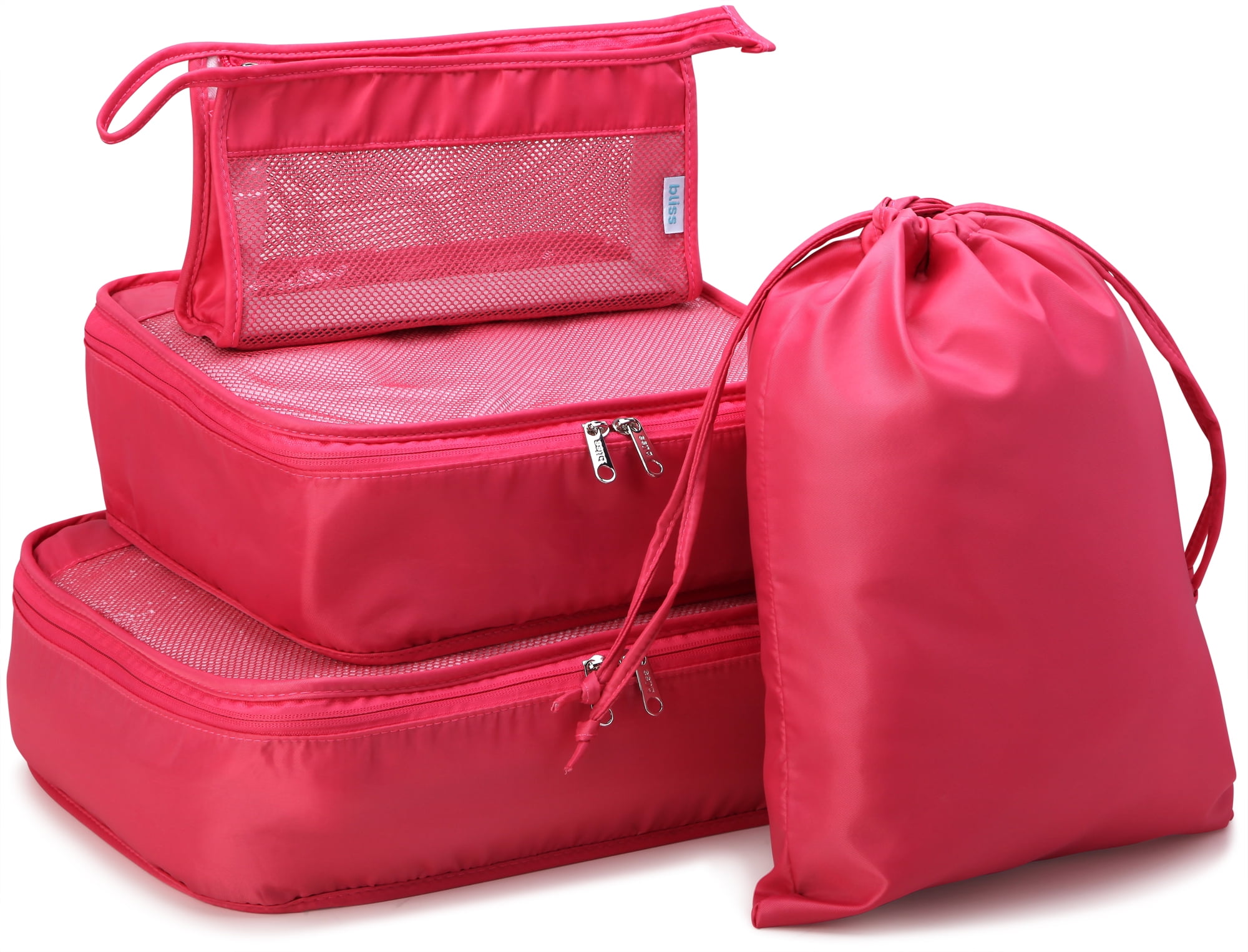
Effective packing for a nomadic existence must balance the paradox of minimalism and preparedness, especially when managing the physiological demands imposed by shifting time zones. Sleep aids and blue light glasses, though deceptively simple objects, demand strategic consideration. Compactness ensures their nondisruptive coexistence with other essentials, while quality and durability become paramount due to frequent handling and transit-related stressors. Selecting adjustable blue light glasses that accommodate various facial geometries contributes not only to comfort but to prolonged wearability essential during extended work sessions. Similarly, portable sleep aids in measured dosages assure compliance without adding burdensome weight or complexity.
The Psychological Interface: Rituals for Temporal Reorientation
The psychological dimension undergirding sleep and adjustment to new time zones highlights rituals as cognitive anchor points amid shifting circumstances. The act of donning blue light glasses at dusk, or consuming a carefully timed sleep aid, transcends mere physical function—it becomes a symbolic gesture reaffirming control over one’s internal chronology. These rituals mitigate anxieties attendant to disrupted routines, engendering a sense of stability and predictability. Moreover, the intentionality embedded in such practices can condition the brain to anticipate restorative states, augmenting their efficacy through psychosomatic synergy.
Technological Adjuncts: Synergizing Tools for Sleep Optimization
Beyond sleep aids and blue light glasses, digital nomads increasingly rely on technological adjuncts designed to optimize sleep and facilitate circadian recalibration. Apps that modulate ambient light exposure, soundscapes attuned to relaxation, and wearables that monitor sleep stages all contribute to a comprehensive approach. Their interplay with physical aids creates a layered defense against the deleterious effects of temporal disorientation. The integration of these modalities into packing lists extends the nomad’s toolkit, marrying analog simplicity with digital sophistication for holistic temporal wellness.
Light Management: Harnessing Environmental Cues to Resynchronize Rhythms
Strategic exposure to natural and artificial light represents a cornerstone in managing circadian realignment. While in transit or residing in unfamiliar lodgings spanning diverse latitudes, nomads manipulate light intensity and timing to instruct internal clocks. Blue light glasses serve as guardians against nocturnal light intrusion, but daytime exposure remains equally critical. Bright light therapy—natural sunlight or specialized lamps—can advance or delay circadian phase, easing adaptation to new zones. This measured navigation of photic stimuli underscores a profound understanding of the symbiosis between environment and physiology, elevating packing from mere logistics to a deliberate calibration of sensory inputs.
Pharmacological and Non-Pharmacological Sleep Aids: Ethical and Practical Considerations
The choice between pharmacological and non-pharmacological sleep aids introduces complexities beyond efficacy. Digital nomads must evaluate potential side effects, dependency risks, and legality across jurisdictions—a daunting calculus in a peripatetic lifestyle. Non-pharmacological options like meditation, melatonin dosing, and herbal supplements offer safer profiles but may require disciplined consistency. Conversely, pharmaceutical hypnotics provide rapid onset but carry hazards of tolerance and cognitive impairment. The discerning nomad curates a personalized regimen responsive to situational demands, balancing immediacy with sustainability and legal compliance.
Ergonomics of Sleep: Optimizing Sleep Environment On the Move
Portable sleep aids address chemical and optical factors, but an often-overlooked facet is the physicality of sleep itself during travel. The nature of transient accommodations—from hostels to boutique hotels—imposes constraints on light control, noise insulation, and bedding comfort. Noise-cancelling earplugs and lightweight blackout masks complement blue light glasses in crafting a microenvironment conducive to sleep. Nomads who meticulously assemble ergonomic sleep kits effectively mitigate external perturbations, accelerating the transition into restorative slumber regardless of locale.
Community and Cultural Dimensions: Shared Practices and Collective Wisdom
The global digital nomad community fosters a dynamic exchange of experiential knowledge, particularly regarding coping mechanisms for sleep and time zone challenges. Collective insights illuminate novel applications of sleep aids and blue light technologies, informed by multicultural perspectives and varying chronotypes. This communal dimension cultivates a deeper fascination with the interplay of biology, technology, and lifestyle ingenuity. Such shared wisdom not only enhances individual adaptation but also enriches the evolving narrative of digital nomadism as a sophisticated, resilient mode of existence.
Future Horizons: Innovations in Sleep Management for Nomads
As the digital nomad phenomenon accelerates, emerging innovations promise to revolutionize sleep management on the move. Advances in smart textiles embedding ambient light modulation, next-generation ocular devices with dynamic spectral filtering, and personalized chronotherapy algorithms herald unprecedented precision in circadian alignment. These technologies, once nascent curiosities, may soon become indispensable packing constituents, transforming sleep aids and blue light glasses from adjuncts to integral facilitators of global nomadic workflow. This evolving landscape underlines the perennial human quest to master time itself, a resonant testament to our adaptability and inventive spirit.