There’s a myth that family vacations must be all about relaxation, overpriced souvenirs, and the same old theme park rides. But what if you could transform every trip into a covert classroom—where curiosity is the currency, and every destination becomes a living textbook? Sneaky learning isn’t about flashcards in a suitcase; it’s about turning the mundane into the magnificent, the ordinary into the extraordinary. Whether you’re navigating the neon-lit streets of Tokyo or hiking the rugged trails of Patagonia, every environment offers lessons in history, science, culture, and resilience. The key isn’t to force education—it’s to let wonder lead the way. Here’s how to craft a family adventure that feels like play but functions like a masterclass in disguise.
The Art of the Unplanned Detour: How Spontaneity Fuels Curiosity
Rigid itineraries are the enemy of discovery. The most transformative educational trips aren’t meticulously planned; they’re organic, unfolding in the gaps between the “must-see” attractions. A detour down a cobblestone alley in Lisbon might lead to a 500-year-old bakery where a baker explains the alchemy of sourdough. A canceled ferry in Croatia could become an impromptu lesson in maritime engineering as you watch locals repair a wooden boat. These moments aren’t just breaks from the schedule—they’re the curriculum. Encourage your family to collect “mystery objects” (a strange shell, a vintage coin, a handwritten receipt) and research their origins later. The thrill of the unknown turns every journey into a scavenger hunt for knowledge.
Culinary Cartography: Mapping the World Through Food
Food isn’t just sustenance; it’s a cultural passport. A bowl of pho in Hanoi isn’t just soup—it’s a lesson in Vietnamese resilience, French colonial influence, and the alchemy of bone broth. A street vendor’s empanada in Buenos Aires reveals the fusion of Indigenous, Spanish, and Italian culinary traditions. Turn every meal into a field study: have your kids interview vendors about their recipes, sketch the ingredients, or recreate dishes at home. Even grocery shopping abroad becomes a lesson in geography (where does quinoa really come from?) and economics (why is saffron so expensive?). The kitchen table becomes a lab; the world, a recipe book.
Urban Archaeology: Decoding the Hidden Stories of Cities
Cities are palimpsests—layers of history etched into architecture, street names, and even graffiti. A stroll through Rome isn’t just about the Colosseum; it’s about tracing the footsteps of gladiators, deciphering the Latin inscriptions on fountains, and spotting the Baroque facades that hide medieval ruins. In Istanbul, the Grand Bazaar isn’t just a market—it’s a 500-year-old economic engine where your haggling skills become a lesson in supply chains and cultural negotiation. Equip your family with a “detective’s notebook” to document oddities: a faded fresco on a crumbling wall, a shop sign in a dead language, a manhole cover stamped with a royal crest. These fragments are the bones of history.
The Language of the Land: Learning Through Immersion
You don’t need fluency to unlock a language’s soul. Start with the basics—greetings, numbers, and food vocabulary—and let necessity drive progress. In a Moroccan souk, knowing how to say “how much?” in Arabic transforms a transaction from a transaction into a conversation. In a Japanese ryokan, bowing correctly isn’t just etiquette; it’s a lesson in respect and hierarchy. Use language apps not as crutches, but as springboards: learn the phrase for “I’m lost” before you need it, and suddenly, every wrong turn becomes a linguistic adventure. Even silence can be instructive—listening to the cadence of a foreign tongue teaches rhythm, emotion, and the unspoken rules of communication.
Nature as a Classroom: When the Outdoors Becomes a Lab
The natural world is the most patient teacher. A tide pool isn’t just a collection of rocks and seaweed; it’s a microcosm of interdependence, where anemones and hermit crabs teach lessons in symbiosis. A hike through the Swiss Alps isn’t just exercise; it’s a geology lesson in glacial erosion, a physics demonstration in avalanche dynamics, and a biology seminar in alpine flora. Turn every outdoor excursion into a scavenger hunt for scientific principles: identify cloud formations to predict weather, count tree rings to estimate age, or track animal tracks to understand behavior. Even a city park can become a study in urban ecology—observe how pigeons adapt to human dominance, or how invasive species like kudzu outcompete native plants.
Art as a Portal: Seeing the World Through Different Eyes
Art isn’t confined to museums; it’s embedded in the fabric of daily life. A fresco in a Florentine church isn’t just a painting—it’s a window into Renaissance politics and religious fervor. A graffiti mural in Berlin isn’t vandalism; it’s a social commentary on gentrification and freedom of expression. Even the way a street performer’s hands move to the rhythm of a djembe drum teaches physics (sound waves) and anthropology (cultural transmission). Before visiting a gallery, have your kids create their own “art passports”—sketching or photographing works that intrigue them, then researching the stories behind them. The goal isn’t to memorize names; it’s to cultivate the habit of looking closely, questioning deeply, and feeling viscerally.
.jpeg)
The Economics of Experience: Turning Spending into Learning
Money isn’t just a tool for consumption; it’s a lens for understanding value. A €5 gelato in Rome isn’t just dessert—it’s a lesson in inflation, tourism economics, and the cost of living. A €200 handbag in Milan isn’t just a status symbol; it’s a case study in luxury branding and global supply chains. Turn every purchase into a negotiation: compare prices across markets, haggle in bazaars, or track the journey of a product (where was your coffee grown? Who picked the cotton in your T-shirt?). Even budgeting becomes a lesson in prioritization—would you rather splurge on a fancy dinner or a local cooking class? The goal isn’t frugality; it’s awareness. Every transaction is a story waiting to be told.
Technology as a Travel Companion: Balancing Screens and Serendipity
Smartphones are double-edged swords—distractions in one hand, guides in the other. Use them to enhance, not replace, discovery. Augmented reality apps can overlay historical details onto ruins, turning a crumbling temple into a holographic time machine. Translation apps break language barriers, but only if you use them to converse, not just consume. Geocaching turns the world into a global treasure hunt, blending digital coordinates with physical exploration. The key is to set boundaries: no screens during meals, no Google Maps when you’re lost (use a paper map instead). Technology should amplify curiosity, not anesthetize it.
The Power of the Personal: Collecting Stories, Not Just Souvenirs
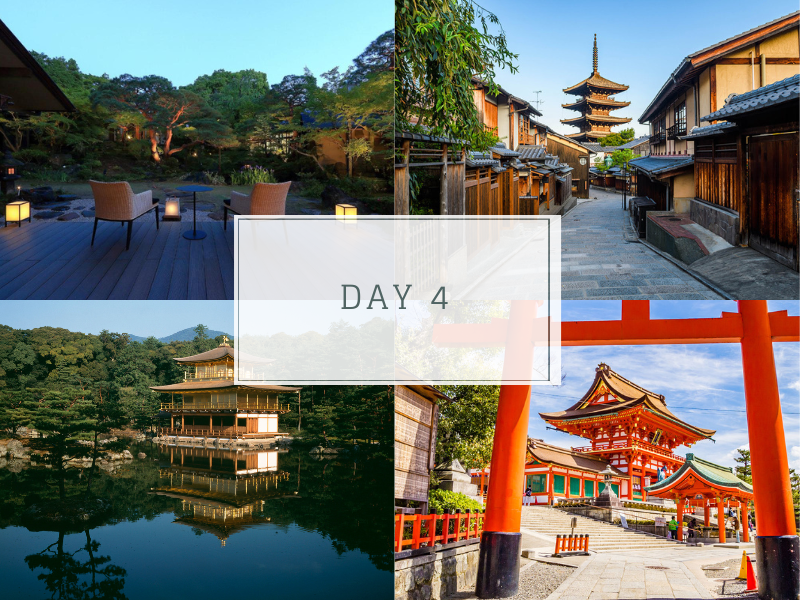
The most valuable souvenirs aren’t made in factories; they’re the stories you collect along the way. A conversation with a fisherman in Kerala about monsoon patterns. A child’s laughter in a Marrakech square as they teach you a game of tag. The way a grandmother in Kyoto folds an origami crane with precision honed over decades. These moments aren’t just memories; they’re living lessons in resilience, joy, and human connection. Encourage your family to keep a “travel journal of people”—sketching faces, recording snippets of dialogue, or writing letters to strangers they meet. The goal isn’t to document the trip; it’s to let the trip document you.
Closing the Loop: Bringing the Lessons Home
The final exam isn’t a test; it’s a dinner table conversation where everyone shares their favorite “aha!” moment from the trip. Did the kids learn why the Eiffel Tower was almost dismantled? Did they discover how a single spice shaped global trade? Turn these reflections into creative projects: a family cookbook with recipes from the road, a map annotated with personal stories, or a short film starring the locals they met. The goal isn’t to replicate the trip; it’s to let it reverberate through your daily lives. Education isn’t a destination—it’s a way of moving through the world. And the best classrooms? They’re everywhere.