
Have you ever wondered if the way you travel could do more harm than good? Or, conversely, could a slow paced journey actually enrich not just your experience but also the places you visit? As enticing as globetrotting sounds, it carries an underlying challenge: how to explore the world responsibly without leaving a detrimental footprint. Sustainable slow tourism offers a compelling answer to this dilemma, inviting travelers to dive deeper, tread lighter, and savor each moment with mindfulness. Let’s unravel the 12 guiding principles that shape sustainable slow tourism and discover how they can transform the way you traverse the globe.
1. Embrace Local Culture and Heritage
Traveling slowly means diving beneath the surface of a destination’s culture. Engaging respectfully with local traditions, history, and customs breathes life into your journey while supporting community identity. Rather than skimming popular attractions, immerse yourself in local festivals, cuisine, and artisan craftsmanship. This not only enriches your experience but fosters cultural preservation and mutual respect.

2. Prioritize Environmental Stewardship
One of sustainable slow tourism’s core pillars is environmental responsibility. This means minimizing your ecological footprint, from selecting eco-conscious accommodation to reducing waste. Opt for destinations with protected natural areas and participate in conservation efforts whenever possible. Small actions, like carrying reusable water bottles or avoiding single-use plastics, contribute to preserving pristine habitats for future generations.
3. Support Local Economies
Economic empowerment through tourism helps communities thrive without displacing their cultural fabric. Choosing locally owned businesses, markets, and services ensures that your spending circulates within the community rather than being siphoned off by multinational conglomerates. When you support indigenous artisans and locally operated tours, you invest directly in the resilience and sustainability of the place you’re visiting.
4. Travel Mindfully and at a Leisurely Pace
Slow tourism is a deliberate antidote to the whirlwind visiting style fostered by mass tourism. Allow yourself the luxury of time to absorb the ambiance of each locale. Taking this unhurried approach can reveal hidden gems and foster deeper connections with people and places. Consider walking, cycling, or using public transportation—methods that slow not only your travel but also lower environmental impact.
5. Foster Equitable and Inclusive Experiences
Sustainable slow tourism advocates inclusivity, ensuring tourism benefits reach marginalized or underrepresented groups within communities. Seek experiences that empower women, indigenous peoples, and local youth. Supporting social initiatives or cooperatives during your travels promotes fair opportunities and combats inequalities that tourism can sometimes exacerbate.
6. Respect Wildlife and Natural Habitats
Encountering wildlife responsibly requires understanding boundaries. Avoid activities exploitative to animals, such as riding elephants or visiting tiger petting zoos. Instead, choose wildlife watching tours led by ethical operators and maintain a respectful distance. Protecting habitats safeguards biodiversity, which in turn sustains the ecological balance that makes destinations alluring in the first place.
7. Minimize Carbon Footprint
Air travel remains one of the largest contributors to tourism-related carbon emissions. Sustainable slow tourism urges reconsideration of how far and how often you fly. Where possible, travel by train, bus, or ferry. Offsetting your carbon emissions through reputable programs can also mitigate impact, but ultimately, thoughtful itinerary planning that prioritizes fewer, longer stays is key to lowering your carbon footprint.
8. Engage in Educational Opportunities
Transform your journey into a meaningful learning experience by actively seeking knowledge about environmental challenges, cultural histories, and sustainable practices of your destination. Participating in workshops, guided eco-tours, or community exchanges can deepen your understanding and inspire advocacy. Educated travelers often become ambassadors for responsible tourism long after their trips end.
9. Encourage Community Participation in Tourism Planning
Communities that have a voice in tourism development tend to experience better outcomes and greater sustainability. Supporting destinations where local populations lead or share leadership in tourism initiatives ensures respect for local priorities and heritage. When communities steer tourism’s growth, compatibility between visitor expectations and local wellbeing improves.
10. Practice Waste Reduction and Responsible Consumption
Travelers often contribute to increased waste and resource strain in popular destinations. Sustainable slow tourism embraces minimalism and conscious consumption—packing light, avoiding disposable items, and choosing products with low environmental impact. In many places, basic waste management infrastructure may be limited, making your conscientious behavior critical in preventing pollution.
11. Promote Health and Well-being for Hosts and Guests
Fostering wellness is fundamental in slow tourism. This encompasses mental and physical health through peaceful environments and stress-free itineraries. It also includes prioritizing the health of host communities by avoiding overcrowding, respecting local living standards, and supporting initiatives that improve sanitation and healthcare access. Conscious travel nurtures harmony between visitors and locals.
12. Cultivate Long-Term Relationships with Destinations
Slow tourism encourages travelers to view destinations not as fleeting stops, but as ongoing connections. Returning to a favorite locale, forging friendships, and supporting sustained development contributes to positive, enduring impacts. Over time, these relationships build trust, foster cultural exchange, and ensure that tourism remains a force for good rather than disruption.
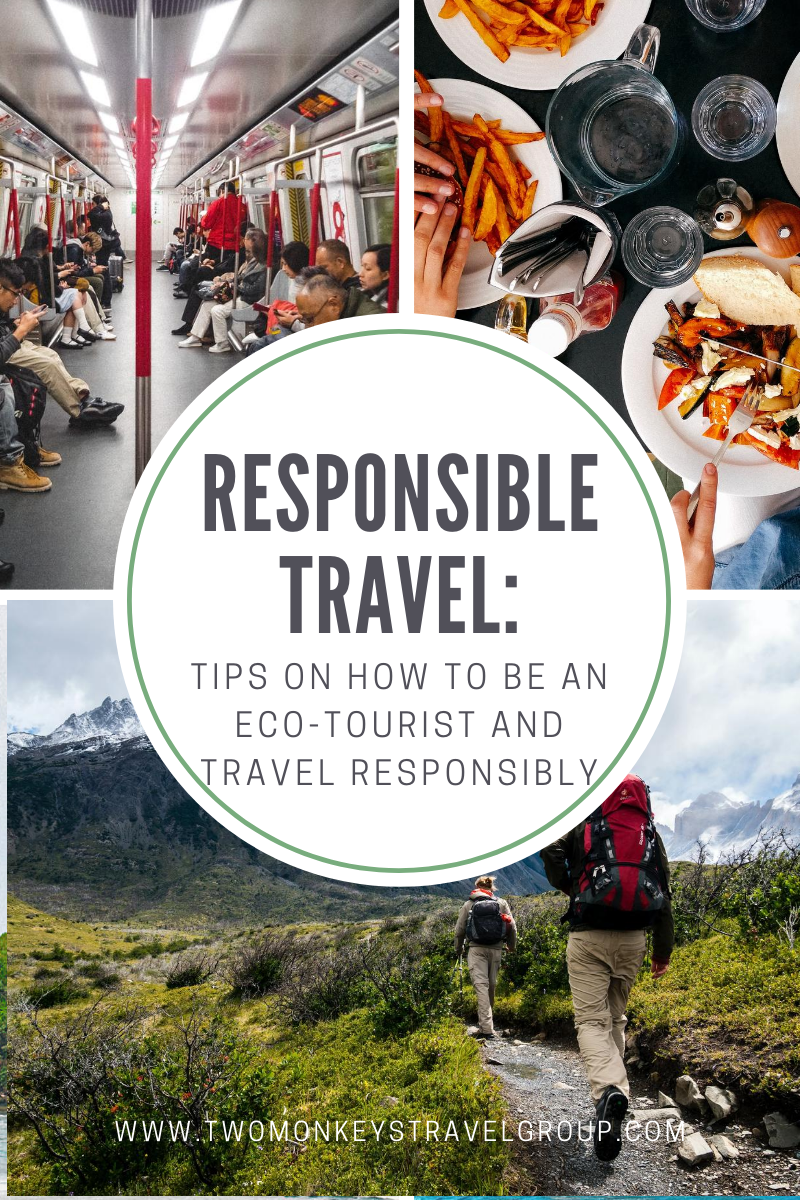
In conclusion, slow sustainable tourism redefines what it means to explore the world. It’s a mindful commitment to preserving the environment, uplifting communities, and enriching one’s travel experience through deliberate, respectful choices. Can you rise to the challenge of transforming your itineraries with these principles? The world awaits not just visitors, but guardians who travel thoughtfully and leave only footprints of kindness behind.