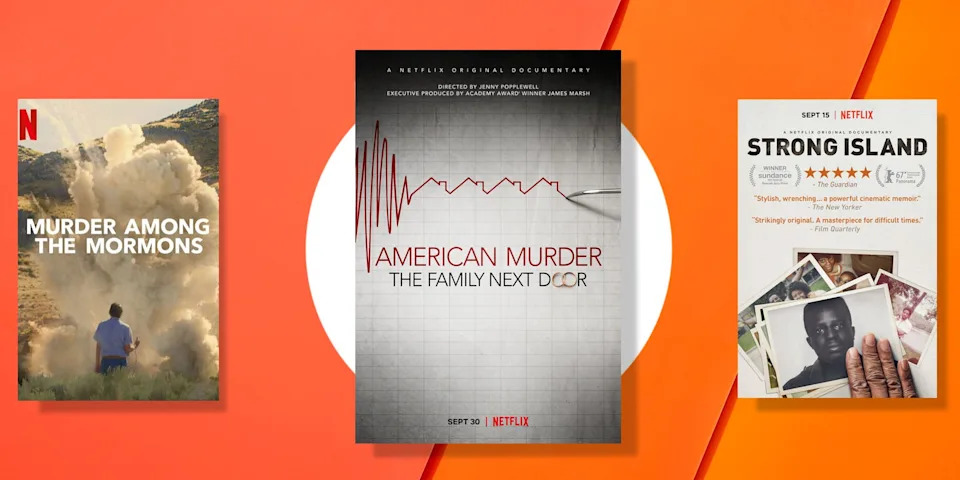
There’s something undeniably magnetic about crime documentaries. They pull us in with the promise of unraveling mysteries, the thrill of the unknown, and the haunting allure of human darkness. But what is it about these shows that keeps us binge-watching late into the night, our hearts pounding with every twist? Perhaps it’s the way they blur the line between entertainment and education, offering us a glimpse into the darker corners of society while satisfying our curiosity. Or maybe it’s the way they force us to confront uncomfortable truths about justice, morality, and the fragility of the human psyche. Whatever the reason, crime documentaries have become a cultural phenomenon, drawing millions of viewers into their gripping narratives. Here are 13 must-watch destinations for anyone captivated by the genre.
The Allure of the Unresolved: Why We Can’t Look Away
Crime documentaries thrive on the unresolved, the questions left dangling like loose threads in a tapestry of chaos. Shows like Making a Murderer and The Jinx don’t just tell stories—they leave us questioning the very foundations of truth and justice. This fascination with the unresolved isn’t just about morbid curiosity; it’s a reflection of our collective obsession with closure. In a world where answers are often just a Google search away, crime documentaries remind us that some mysteries defy resolution, and that uncertainty can be as gripping as any answer. The deeper we dig, the more we realize that the real mystery isn’t just who committed the crime—it’s why we can’t stop watching.
Small-Town Secrets: The Charm of Rural Crime
There’s a peculiar charm to crime documentaries set in rural or small-town America. Shows like Tiger King and The Keepers transport us to places where the pace of life is slow, but the secrets run deep. These narratives often revolve around tight-knit communities where everyone knows everyone—and no one wants to talk. The contrast between the idyllic setting and the horrors unfolding within it creates a tension that’s hard to resist. It’s as if the tranquility of the countryside is just a veneer, masking a web of deceit, violence, and unspoken truths. These stories force us to confront the idea that evil isn’t confined to cities; it thrives in the quietest corners of our world.
The Antihero Appeal: When the Villain is the Protagonist
Crime documentaries often blur the lines between hero and villain, leaving us captivated by characters who are as flawed as they are fascinating. Robert Durst in The Jinx, Joe Exotic in Tiger King, and even Steven Avery in Making a Murderer—these are not your typical antagonists. They’re complex, charismatic, and sometimes even sympathetic. This antihero appeal taps into our fascination with the idea that anyone, regardless of their actions, can be compelling. It challenges our moral compass and forces us to ask: What makes someone a villain? Is it their actions, or is it our perception of them? The answer isn’t always clear, and that ambiguity is part of what makes these stories so addictive.
Justice Delayed: The Frustration of the System
Few things are as infuriating as watching a crime documentary where justice seems perpetually out of reach. Shows like Serial and The Staircase highlight the flaws in our legal system, where truth is often buried under bureaucracy, politics, and inefficiency. The frustration isn’t just about the cases themselves—it’s about the broader implications. If the system can fail in these high-profile cases, what does that say about justice for the rest of us? This theme resonates deeply because it taps into a universal fear: that the system designed to protect us might actually be rigged against us. The more we watch, the more we realize that justice isn’t just about punishment—it’s about accountability, and accountability is often the first casualty.
The Psychology of Evil: What Drives the Unthinkable
Crime documentaries don’t just focus on the crimes—they delve into the minds of those who commit them. Shows like Mindhunter and Dahmer explore the psychology behind some of the most heinous acts, forcing us to confront the question: What makes a monster? The answer isn’t simple. It’s a mix of nature and nurture, of trauma and choice, of darkness and desperation. These narratives challenge us to see the humanity in even the most monstrous figures, and in doing so, they force us to question our own capacity for evil. It’s a chilling reminder that the line between us and them isn’t as clear as we’d like to believe.
The Power of the Podcast: How Audio Enhances the Mystery
While visual documentaries dominate the genre, podcasts like Serial and My Favorite Murder prove that audio can be just as gripping. The absence of visuals forces the listener to fill in the gaps with their imagination, creating a more immersive experience. There’s something uniquely intimate about hearing a story unfold through someone’s voice, as if they’re whispering secrets directly into your ear. Podcasts also allow for a deeper exploration of the material, with hosts often revisiting cases over multiple episodes, uncovering new details with each installment. The result is a narrative that feels more personal, more urgent, and ultimately, more haunting.
The Role of the Internet: How True Crime Became a Cultural Phenomenon
The rise of crime documentaries coincides with the explosion of the internet, and the two are inextricably linked. Platforms like Netflix, HBO, and YouTube have democratized storytelling, allowing niche genres like true crime to flourish. But the internet’s role goes beyond distribution—it’s also a tool for investigation. Crowdsourced evidence, online sleuths, and viral theories have become integral parts of these narratives. Shows like Unsolved Mysteries and The Night Stalker have embraced this digital age, using social media and online communities to engage viewers in real-time. The internet hasn’t just changed how we consume these stories; it’s changed how we interact with them, turning passive viewers into active participants.
The Ethics of Spectacle: When Crime Becomes Entertainment
For all their intrigue, crime documentaries raise ethical questions about the commodification of suffering. When does a story cross the line from informative to exploitative? Shows like The Ted Bundy Tapes and Extremely Wicked, Shockingly Evil and Vile walk a fine line between raising awareness and sensationalizing violence. The families of victims, the accused, and even the perpetrators themselves are often reduced to characters in a macabre drama. This ethical dilemma forces us to confront our own complicity. Why do we watch? Is it for the thrill, the education, or the sheer spectacle of it all? The answer isn’t always flattering, but it’s a question we must ask if we’re to engage with the genre responsibly.
The Global Appeal: Crime Documentaries Beyond Borders
While American crime documentaries dominate the landscape, the genre is truly global. Shows like The Tinder Swindler and Don’t F**k with Cats take us to places like Norway, Israel, and Canada, proving that human darkness knows no borders. These international stories offer a fresh perspective, challenging our assumptions about crime and justice in different cultures. They also highlight the universal themes that bind these narratives together: greed, deception, and the quest for power. Whether it’s a con artist in Europe or a serial killer in Japan, the stories resonate because they tap into the same primal fears that drive our fascination with the genre.
The Future of Crime Documentaries: What’s Next?
As technology evolves, so too does the crime documentary genre. Virtual reality, interactive storytelling, and AI-driven investigations are just a few of the innovations on the horizon. Shows like Don’t F**k with Cats have already experimented with gamification, turning viewers into detectives. The future of the genre lies in its ability to adapt, to find new ways to engage audiences while maintaining the core elements that make these stories so compelling. One thing is certain: as long as there are mysteries to unravel and darkness to explore, crime documentaries will continue to captivate us.