Embarking on a family road trip should be a symphony of laughter, shared stories, and the open road stretching before you like an unspoiled horizon. Yet, for many, the journey is hijacked by the dreaded specter of motion sickness—a merciless thief that turns joy into nausea, excitement into exhaustion, and memories into misery. Whether it’s the winding mountain passes, the endless interstate stretches, or the backseat bickering of restless children, motion sickness doesn’t discriminate. But fear not. With the right strategies, you can transform your family’s road trip from a potential disaster into a seamless adventure. Here’s how to outsmart motion sickness before it outsmarts you.
The Science of Motion Sickness: Why Your Body Betrays You
Motion sickness isn’t just a figment of imagination—it’s a full-blown physiological rebellion. Your brain, that overworked CEO of your body, receives conflicting signals: your eyes tell it you’re stationary (staring at the back of a seat or a tablet), but your inner ear screams that you’re hurtling through space at 70 mph. This cognitive dissonance triggers a cascade of nausea, dizziness, and cold sweats. The culprit? A neurotransmitter called histamine, which your brain releases in a desperate attempt to reconcile the chaos. Understanding this isn’t just academic—it’s your first line of defense. By acknowledging the root cause, you can preemptively disarm the symptoms before they strike.

Preventive Measures: Fortify Your Vehicle Against the Nausea Onslaught
Prevention is the armor you wear into battle. Start with seating strategy: the front seat is your sanctuary. Here, your eyes align with the horizon, reducing the sensory whiplash that plagues backseat passengers. If your clan is too large for such luxuries, ensure the most susceptible members (usually the youngest or those prone to carsickness) occupy the middle seats, where the ride is smoothest. Ventilation is another unsung hero. Stale, recycled air is a motion sickness accelerant. Crack a window—even a sliver—to invite fresh oxygen. And don’t underestimate the power of temperature control. A stuffy, overheated car is a nausea incubator. Keep the climate cool and consistent.
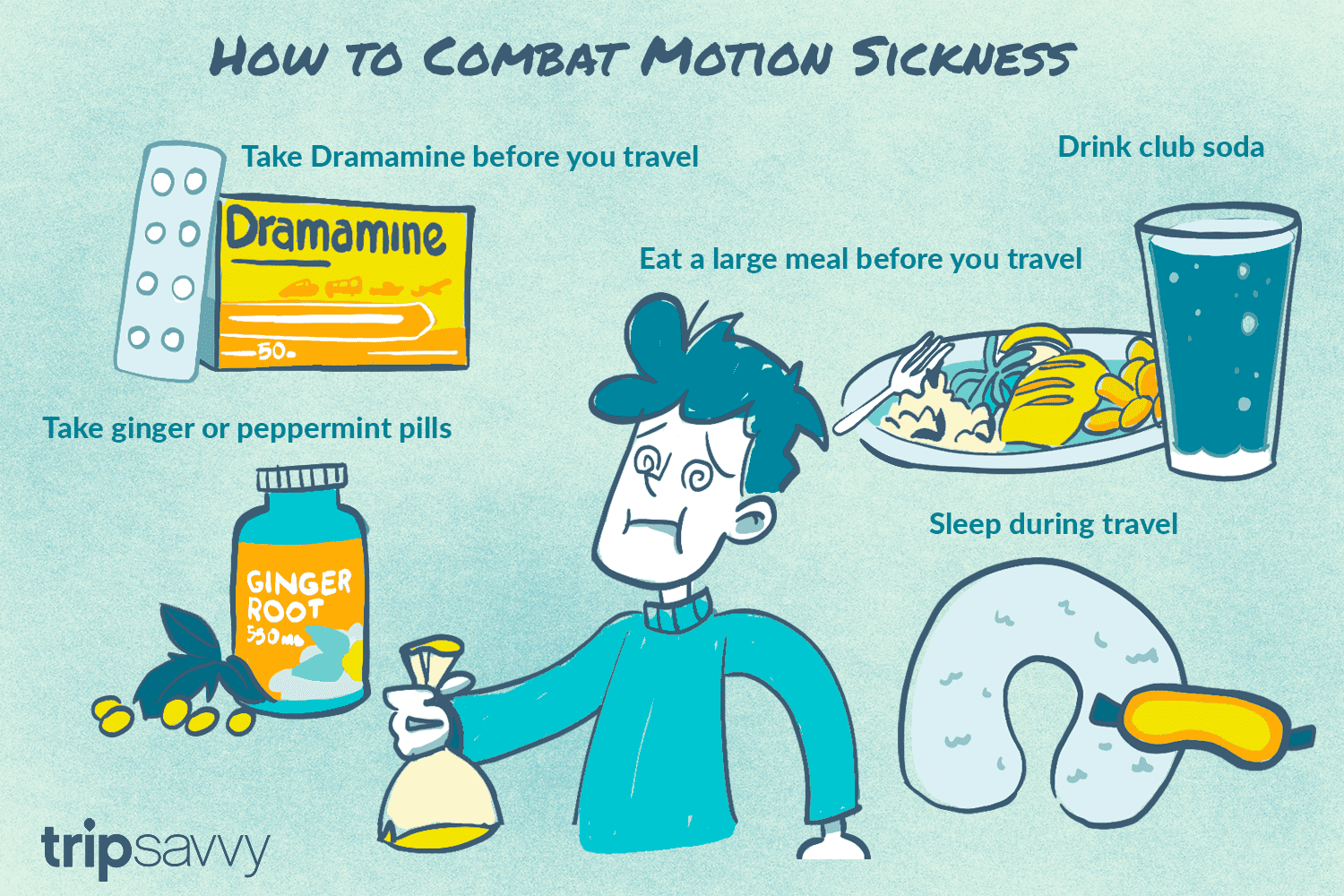
Hydration is non-negotiable. Dehydration thickens your blood, making your brain more susceptible to the chaos of conflicting signals. Pack a cooler with chilled water bottles and encourage sips at regular intervals. Avoid caffeine and carbonation, though—these are diuretics in disguise. Instead, opt for electrolyte-rich drinks like coconut water or diluted fruit juices. And here’s a pro tip: ginger. Not the candied variety, but fresh ginger root. A few slices steeped in hot water can work wonders as a preemptive tonic. Steep it the night before your trip and pack it in a thermos.
Natural Remedies: The Gentle Arsenal Against Nausea
When prevention isn’t enough, nature offers a pharmacopeia of remedies. Ginger, again, takes center stage. Studies have shown it’s as effective as over-the-counter drugs for many sufferers. Keep ginger chews or capsules handy—just be sure to test them beforehand to ensure they don’t upset your stomach further. Peppermint is another ally. Its crisp aroma can soothe the queasiest of stomachs. A few drops of peppermint essential oil on a tissue, tucked into a child’s collar, can work wonders. Acupressure bands, those humble elastic wristlets with a plastic nub, apply pressure to the P6 (or Nei-Kuan) point on the wrist. They’re not magic, but they’re close.
For the more adventurous, consider the power of distraction. A riveting audiobook or podcast can redirect your brain’s focus away from the nausea. Choose something engaging—comedy, mystery, or a gripping true-crime series. The key is to keep your mind occupied, not wandering into the land of queasiness. And don’t overlook the humble cracker. A few saltines or plain bread can absorb stomach acid and settle the waves. Keep a stash within arm’s reach.

Pharmaceutical Backups: When Nature Needs Reinforcements
Sometimes, the natural route isn’t enough. Enter the world of pharmaceuticals. Antihistamines like dimenhydrinate (Dramamine) or meclizine are the go-to for many travelers. They’re effective but come with a caveat: drowsiness. If you’re the driver, this is a non-starter. For kids, consult a pediatrician before dosing—some medications aren’t suitable for young children. Scopolamine patches, applied behind the ear, are another option. They’re prescription-only but offer long-lasting relief (up to 72 hours). The downside? They can cause dry mouth and blurred vision. Always test any new medication at home first to gauge your body’s reaction.
For those who prefer a middle ground, consider non-drowsy options like ginger supplements or vitamin B6. These won’t knock out nausea entirely but can take the edge off. And if all else fails, there’s always the nuclear option: a plastic bag and a sense of humor. Sometimes, embracing the inevitable is the best strategy.
Mind Over Motion: Psychological Tactics to Outsmart Nausea
Your brain is a powerful tool—if you know how to wield it. Visualization techniques can trick your body into calm. Before the trip, practice deep breathing exercises. Inhale for four counts, hold for four, exhale for six. Repeat until your heart rate steadies. During the drive, focus on a fixed point in the distance, like the horizon or a distant landmark. Avoid reading or staring at screens, as these exacerbate the sensory conflict. If you’re prone to anxiety, consider meditation apps or calming playlists. The goal is to keep your nervous system in a state of equilibrium.
Another tactic? Control the narrative. Motion sickness thrives on fear. If you or your children anticipate nausea, it becomes a self-fulfilling prophecy. Instead, frame the trip as an adventure. Talk about the exciting destinations ahead. Play games that require focus, like “I Spy” or license plate bingo. Laughter is a natural antidote to nausea—it relaxes the diaphragm and eases tension. Turn the car into a mobile comedy club if it helps.
Emergency Protocols: When All Else Fails
Even the best-laid plans can unravel. If nausea strikes, act fast. Pull over at the next safe spot. Fresh air is your immediate ally. Step out of the car and take slow, deep breaths. If you’re traveling with kids, keep a small trash bag and wet wipes within reach—discretion is key. Once the worst passes, sip water slowly and avoid food for at least an hour. Rehydrate with electrolyte solutions if available. And if the symptoms persist, don’t hesitate to seek medical attention. Motion sickness is rarely serious, but dehydration can be.
For chronic sufferers, consider desensitization therapy. Over time, repeated exposure to motion can train your brain to adapt. Start with short trips and gradually increase duration. Combine this with relaxation techniques for the best results. It’s not a quick fix, but it’s a long-term solution.
Final Thoughts: The Road Awaits
Motion sickness doesn’t have to dictate the terms of your family road trip. With preparation, the right tools, and a dash of creativity, you can reclaim the driver’s seat—literally and figuratively. Whether you’re a seasoned traveler or a first-time adventurer, these strategies will help you navigate the bumps (both literal and metaphorical) with confidence. So buckle up, roll down the windows, and let the journey begin. The open road is calling, and nausea doesn’t stand a chance.