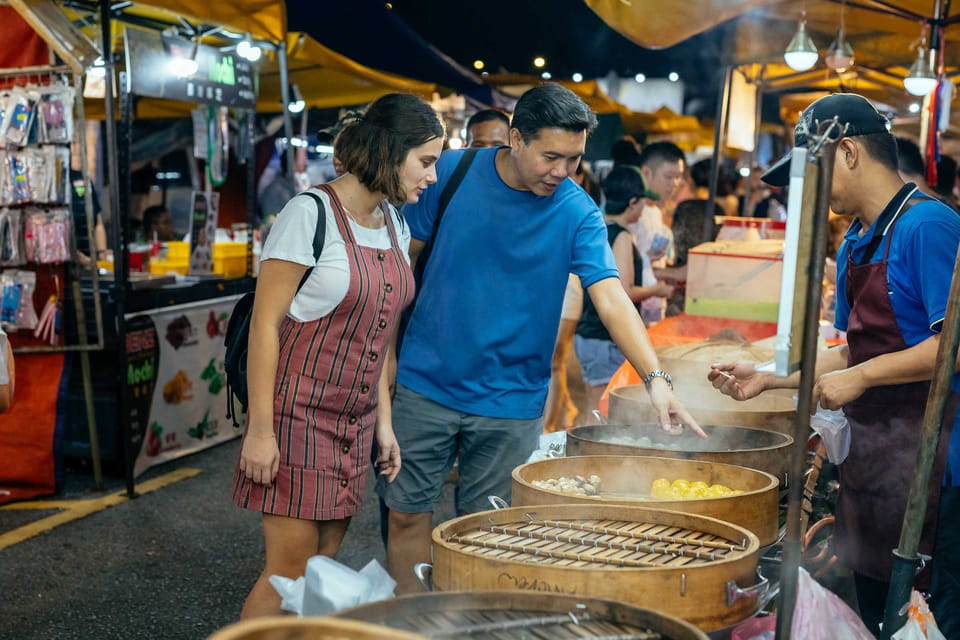
The electric hum of a foreign city at dusk is a siren song, but its true melody is often found not in grand monuments, but in the labyrinthine arteries of its night markets. A casual observer might see these places as mere consumerist spectacles—a cacophony of haggling voices and sizzling oil. Yet, a deeper look reveals them as living theaters of cultural osmosis, where the mundane act of buying a skewer of seafood becomes a ritualistic communion with the local soul. The phenomenon of the nighttime market tour, particularly those anchored by the primal allure of seafood grills and the ephemeral sweetness of live music, speaks to a primal human need: to gather, to share sustenance, and to witness the raw, unfiltered pulse of a place after the sun has retreated.
The Alchemy of Smoke and Salt: Why Seafood Grills Captivate
There is an undeniable, almost alchemical transformation that occurs when fresh catch meets an open flame under the cloak of night. The grill is not just a cooking apparatus; it is a stage. The sizzle of a squid tentacle hitting a hot grate, the sudden plume of fragrant smoke that carries the scent of lemongrass and chili, the char that seals in the oceanic brine—these sensory cues bypass intellectual judgment and speak directly to a prehistoric part of our brain. A night market tour capitalizes on this. The choice is not between sterile, climate-controlled restaurants, but between competing stalls, each with its own proprietary marinade and family recipe. You are not merely consuming a meal; you are participating in a gustatory narrative that has been passed down through generations. The grilled snapper, draped in a glaze of tamarind and fish sauce, becomes a tangible link to the coastal community that caught it that morning.
Harmonic Convergence: The Role of Live Music in Placemaking
While the grill provides the visceral anchor, live music provides the transcendental lift. It is the sonic backdrop that transforms a transactional space into a liminal one. A lone guitarist strumming a melancholic folk song, a duo playing a tropical cover of a Western pop hit, or a traditional percussion ensemble creating a polyrhythmic tapestry—these sounds do more than fill the silence. They inoculate the experience with a sense of ephemeral belonging. The music acts as a social lubricant, dissolving the barriers between tourist and local, between table and stage. In the context of a night market, live music is a form of ambient storytelling, a non-verbal dialogue that echoes the history, the joys, and the sorrows of the city. It invites you to linger, to have another glass of iced tea, to lean closer to your companions. The harmony is not just musical; it is a harmonic convergence of atmosphere, aroma, and auditory delight.
Navigating the Gastronomic Labyrinth: A Tactile and Olfactory Tour
A well-structured tour of these markets is less a guided walk and more a form of tactical drift. You are a hunter-gatherer in a concrete jungle of plastic stools and glowing signs. The first rule is to follow your nose. Let the trail of charcoal smoke and the sweet, pungent odor of grilled pineapple guide you to the heart of the action. Here, the hierarchy of the market is palpable. The busiest stall, the one with the longest queue and the most animated grill master, is invariably the best. Do not be shy; observe the locals. Notice how they handle the crabs, how they negotiate for a dozen oysters, how they season their plate with a potent mix of lime juice and crushed peanuts. This is a masterclass in living. The tour should encourage a promiscuous appetite—a half-dozen grilled scallops from one vendor, a whole fish from another, a side of water spinach stir-fried with garlic from a third. It is a symphony of separate movements, each dish a distinct movement contributing to a cohesive whole.
Beyond the Plate: The Social Fabric of Communal Dining
The true genius of the night market is its vertical dismantling of formal dining. There is no reservation, no sommelier, no starched tablecloth. Instead, you find a low, colorful plastic stool that forces you to sit closer to the ground, a position that is inherently more humble and convivial. This seating arrangement is a great equalizer. A billionaire and a backpacker can sit side-by-side, cracking crab legs with the same primal intensity. The shared experience of wiping greasy fingers on a communal napkin, of reaching across the table for a shared dipping sauce, fosters a camaraderie that a white-tablecloth meal can only aspire to. The live music, often played at a volume that necessitates leaning in to speak, further encourages this intimacy. The conversations that arise are not about the food itself, but about the moment—the perfect char on the shrimp, the sudden chill in the air, the song that just started playing. It is a social fabric woven from threads of spontaneity.
Unveiling the Dusk Ritual: Timing and Atmospheric Evolution
There is a specific temporal cadence to these tours that must be respected. Arriving too early, when the stalls are still setting up, yields a sterile experience. Arriving too late, when the crowds are thinning and the musicians are packing their cases, misses the crescendo. The optimal time is the golden hour of dusk, that liminal moment when the sky is a bruised purple and the neon lights begin to flicker on. It is a moment of transition, a daily rebirth of the market. Watch the vendors fire up their charcoal pits, the first plumes of smoke rising like incense before an altar of commerce. The music often begins tentatively, a few chords testing the air, before finding its rhythm as the crowd thickens. This evolution from quiet anticipation to boisterous celebration is the tour’s core narrative arc. It is a reminder that these markets are not static attractions; they are living organisms that breathe, grow, and change with the lunar cycle and the rhythm of the tides.
The Lingering Embers: Why the Memory Outlasts the Meal
As the evening deepens and the last skewers are consumed, the experience does not simply end. It lingers. The smell of woodsmoke clings to your clothes for days. The echo of a particular guitar riff plays in your head during a quiet moment. The memory of that perfectly grilled fish, devoured under a canopy of stars and string lights, becomes a talisman. This is the deeper reason for the fascination: the night market tour offers an experience of unmediated authenticity. It is a place where the boundaries between the performer and the spectator, the cook and the diner, become deliciously blurred. You leave not just with a full stomach, but with a story. You have participated in a tradition that predates the modern tourist industry, one built on the simple, profound joy of gathering around fire and sound. That feeling—of being witness to a city’s most honest, vulnerable, and joyful self—is the true currency of the night market, far more valuable than any bargain struck over a pile of grilled prawns.