Traveling solo is a rite of passage—an exercise in self-reliance, curiosity, and the quiet thrill of discovering the world on your own terms. Yet, even the most intrepid wanderers can fall prey to the siren song of overpriced souvenirs, those gaudy trinkets that promise to encapsulate the essence of a place but instead drain your wallet faster than a tuk-tuk in Bangkok traffic. The art of souvenir hunting isn’t about amassing clutter; it’s about curating memories without surrendering your hard-earned cash to the tourist-industrial complex. Here’s how to navigate the labyrinth of knickknacks, from the bustling bazaars of Marrakech to the flea markets of Lisbon, without breaking the bank.
The Psychology of Souvenirs: Why We Overpay (And How to Outsmart It)
Souvenirs are more than objects—they’re emotional currency. That miniature Eiffel Tower isn’t just plastic; it’s a talisman against forgetting the way the Seine glinted under a Parisian dawn. The problem? Retailers know this. They exploit the endowment effect, the cognitive bias that makes us value things more simply because we own them—or want to own them. A vendor in a Moroccan souk doesn’t just sell a brass lantern; he sells the illusion of authenticity, the story of a craftsman’s hands shaping metal under the desert sun. But here’s the truth: most souvenirs are mass-produced in factories, their “handmade” labels as flimsy as the material they’re stamped on.
To resist, ask yourself: Will this item still spark joy in six months? If the answer isn’t a resounding yes, walk away. The best souvenirs aren’t things at all—they’re experiences: a recipe scribbled on a napkin, a photograph of a stranger’s smile, the memory of a street musician’s melody lingering in your mind. When you shift your focus from acquisition to appreciation, the urge to overpay dissolves like salt in a monsoon.
Bargain Like a Local: The Art of Haggling Without Looking Like a Tourist
Haggling isn’t a negotiation; it’s a dance. The first rule? Never let them see you sweat. If a vendor in Istanbul’s Grand Bazaar senses your desperation, they’ll name a price that makes your credit card weep. Instead, adopt the cold-eyed tourist persona—a blend of polite disinterest and quiet confidence. Start with a laugh and a shake of the head. “Too expensive,” you say, in the local language if possible. Watch their face fall. Then, counter with a figure that’s 30-40% of their opening offer. Silence is your ally; let them fill it. They’ll either accept or counter. Repeat until you reach a price that feels fair, not fleeting.
But haggling isn’t just about the numbers—it’s about the ritual. In many cultures, the back-and-forth is part of the charm. In Morocco, it’s a social lubricant. In Vietnam, it’s a test of wit. The key is to haggle with respect. Never insult the item or the seller. A simple “I love this, but my budget is tight” goes further than a blunt “Your price is ridiculous.” And remember: if you’re not enjoying the process, you’re doing it wrong. Walk away if it stops being fun. There’s always another stall, another vendor, another story waiting to unfold.
Beyond the Gift Shop: Where to Find Authentic (and Affordable) Keepsakes
The most memorable souvenirs aren’t found in the fluorescent-lit corridors of airport gift shops or the kitschy stalls outside the Colosseum. They’re hidden in plain sight—on the fringes of tourist zones, in the hands of locals who haven’t yet learned to inflate prices for foreigners. In Kyoto, skip the souvenir shops near the temples and head to the kappabashi district, where chefs buy their tools. A hand-forged knife or a lacquered chopstick rest costs a fraction of what you’d pay in a tourist trap, and it’s a piece of Japan’s culinary soul. In Mexico City, avoid the stalls in the Zócalo and instead visit La Ciudadela, a crafts market where artisans sell directly to buyers. The prices? Half of what you’d pay in the historic center.
Food is another underrated souvenir. A bag of spices from a spice bazaar in Istanbul, a jar of local honey from a Greek island, or a block of aged Manchego from a Spanish market—these aren’t just edible; they’re edible memories. The best part? They’re often cheaper than their touristy counterparts, and they don’t take up luggage space. Pro tip: if you’re flying, pack them in your checked bag to avoid liquid restrictions. Just make sure to declare them at customs if you’re crossing borders.
The Digital Detox Souvenir: How to Capture Memories Without Clutter
In the age of Instagram, the temptation to document every moment with a physical token is strong. But what if the most powerful souvenir isn’t something you can hold, but something you can feel? A playlist of the songs you heard in a Berlin nightclub. A sketch of the street artist’s mural that moved you. A handwritten letter from a hostel owner in Prague who shared her grandmother’s recipe for trdelník. These are the souvenirs that don’t gather dust on a shelf but live in your mind, evolving with you.
If you’re determined to bring something home, think functional. A sarong from Bali doubles as a beach towel, a scarf from Morocco can be a blanket on chilly nights, and a handwoven bag from Peru is both stylish and practical. The best souvenirs serve a purpose beyond nostalgia. They’re tools, not trophies. And if you’re really struggling to resist the allure of a trinket, ask yourself: Will this item make my life better, or just my Instagram feed?
Packing Smart: How to Avoid the Souvenir Tax Before You Even Leave
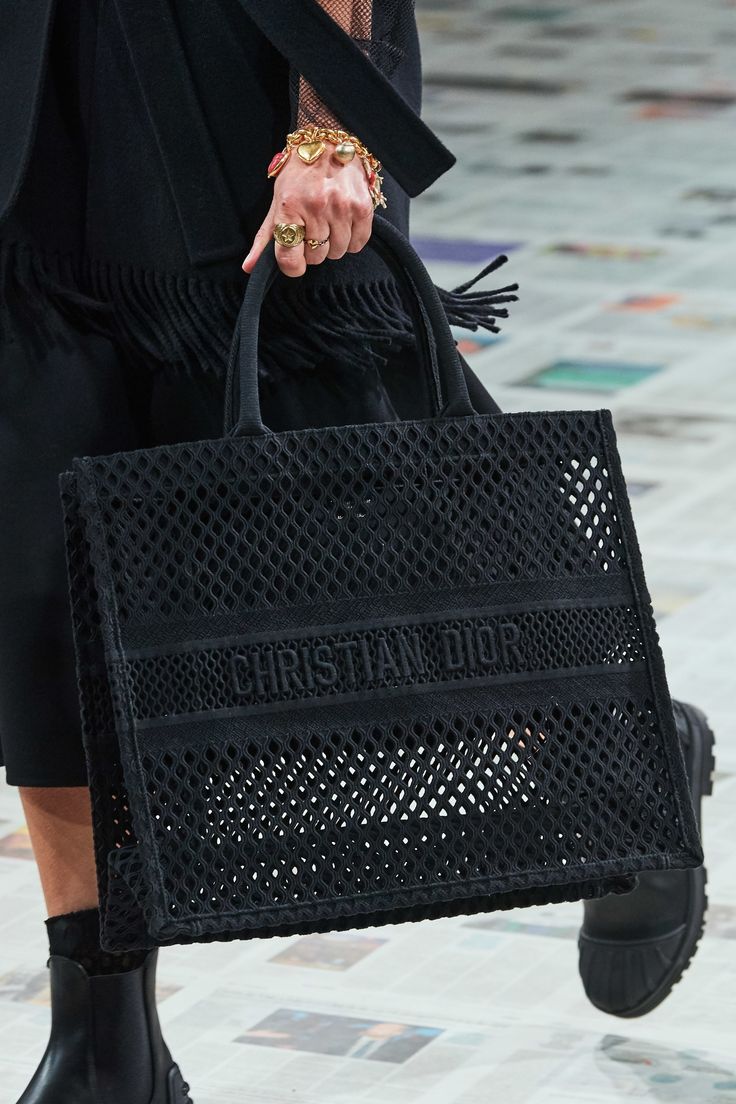
The first step to saving money on souvenirs isn’t in the market—it’s in your suitcase. Overpacking is the enemy of budget travel. The more space you have, the more you’ll feel compelled to fill it. Pare down your luggage to the essentials, leaving room for the unexpected. A collapsible tote bag is your best friend; it folds flat when empty but expands to carry treasures home. If you’re traveling light, wear your bulkiest items on the plane—a jacket, a sweater, or even a scarf can double as packing material for fragile finds.
Another pro tip: ship it home. If you’ve found something you truly love but can’t justify lugging it around, many destinations offer shipping services. In Florence, you can have your leather goods sent directly to your hotel. In Hanoi, a tailor can courier your custom-made ao dai to your next stop. The cost is often less than the excess baggage fee you’d rack up trying to cram it into your backpack. Plus, it gives you an excuse to return—because the best souvenirs are the ones that make you want to come back.
At the end of the day, solo travel is about freedom—the freedom to wander without a map, to eat what you want, to sleep when you’re tired, and to bring home only what truly matters. Souvenirs should be the icing on the cake, not the cake itself. So go ahead, haggle with a smile, haggle with a story, haggle with the confidence of someone who knows their worth. But remember: the best souvenirs aren’t bought. They’re earned.