Have you ever wondered if it’s possible to immerse yourself in the captivating wilderness of the Amazon while ensuring that the creatures inhabiting this vibrant ecosystem remain untouched and unharmed? The enchanting allure of caiman spotting and birding in the Amazon often sparks the imagination of nature enthusiasts worldwide. Yet, beneath the thrill lies a pressing challenge: how can tourists engage deeply with wildlife without disturbing the delicate balance of life in this unparalleled rainforest? Ethical animal tourism offers a promising answer, one that harmonizes human curiosity with conservation imperatives. Let’s explore five distinct ways to experience the Amazon’s riches with integrity and respect.
1. Guided Caiman Spotting Excursions with Conservation Experts
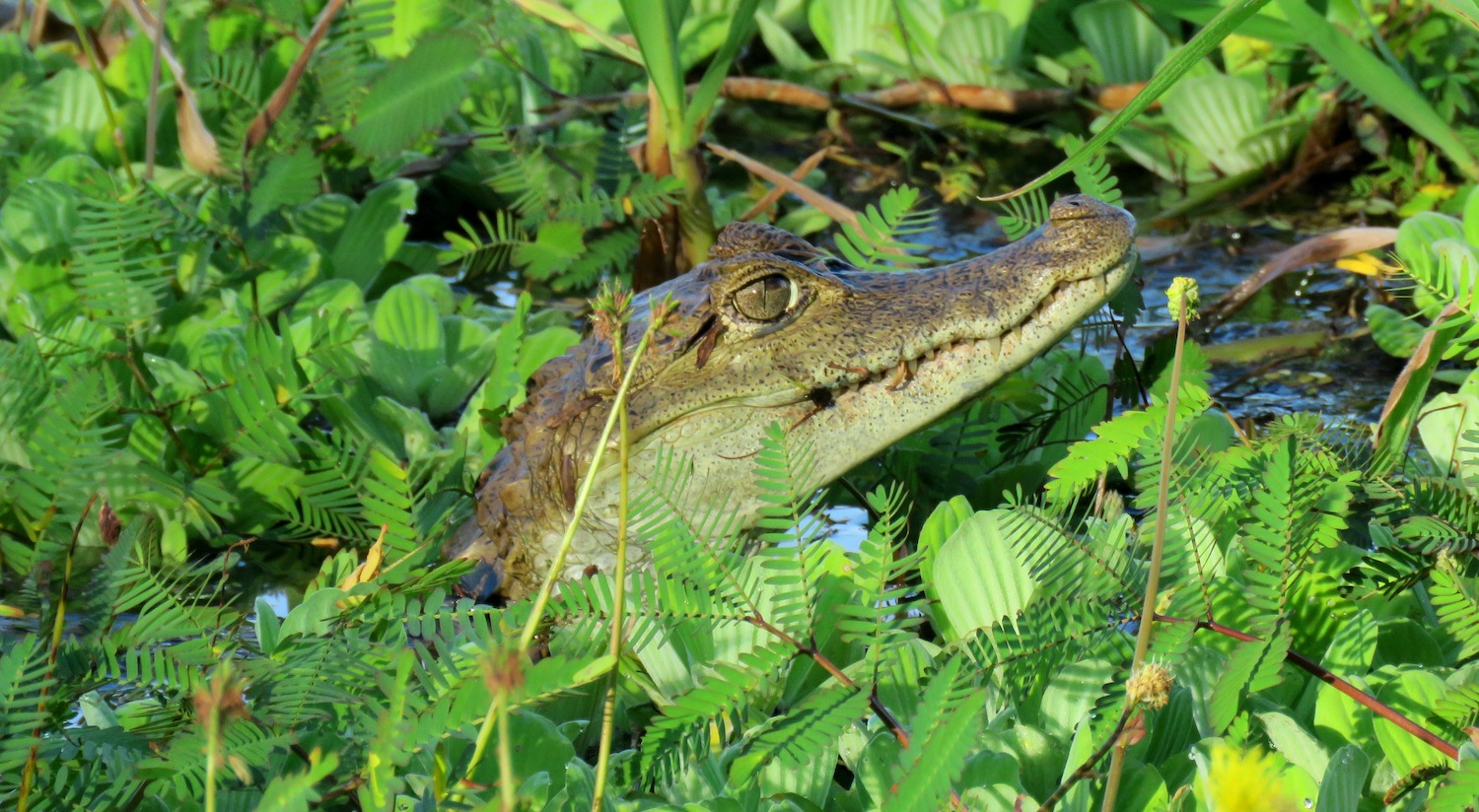
Venturing into the Amazon’s waterways in pursuit of caiman sightings can be an exhilarating experience. However, ethical caiman spotting transcends mere observation; it incorporates an educational dimension that fosters environmental stewardship. Participating in guided tours led by local conservation biologists or naturalists ensures that tourists not only spot caimans responsibly but also gain profound insights into their ecological importance.
These excursions typically employ small, quiet boats equipped to minimize disturbance. Guides emphasize maintaining a respectful distance and avoiding actions that might stress or endanger the animals. Moreover, they educate visitors about the species’ behaviors, reproductive cycles, and the crucial role caimans play as apex predators in regulating the riverine ecosystem. By engaging with knowledgeable guides, travelers contribute indirectly to ongoing research and conservation efforts, helping secure the future of these fascinating reptiles.
2. Participatory Birding Tours Supporting Indigenous Knowledge
Birding is an emblematic activity in the Amazon, home to thousands of avian species ranging from resplendent macaws to elusive tinamous. But ethical birding goes beyond ticking species off a list. One of the most enriching experiences is joining tours that integrate indigenous wisdom with modern ornithology, allowing visitors to appreciate birds not just as biological entities but as cultural symbols.
Guides from indigenous communities often possess a deep, traditional understanding of bird behavior, migration patterns, and vocalizations. Their involvement ensures that tourism benefits local economies and preserves intangible heritage. These tours prioritize quiet observation and avoid the use of disruptive playback calls, a practice sometimes employed elsewhere but problematic for bird wellbeing. By respecting these protocols, tourists enjoy intimate encounters with birds without altering their natural rhythms.
3. Nighttime Wildlife Observation with Minimal Light Pollution
Could glimpsing the Amazon’s nocturnal denizens be both thrilling and ethical? Nighttime excursions reveal a fascinating facet of the rainforest after dark, when caimans, amphibians, insects, and owls become active. Yet, excessive artificial light and noise can disorient and disturb these creatures. High-quality ethical tours mitigate these impacts by using low-intensity red lights and maintaining strict noise control.
Such ventures emphasize patience and subtlety, inviting travelers to attune their senses to the dimly lit forest. The methodical approach not only enhances wildlife encounters but also models low-impact tourism techniques vital for fragile environments. Engaging in nocturnal observation underscores the importance of respecting animal sensory worlds and acclimating human behavior accordingly.
4. Ecosystem Restoration Projects Inclusive of Wildlife Monitoring
Can tourism foster regeneration instead of exploitation? Some innovative Amazonian projects combine responsible tourism with hands-on participation in ecosystem restoration. By involving tourists in activities like reforestation and habitat rehabilitation alongside monitoring wildlife, these experiences transform travelers from passive spectators into active allies for conservation.
Monitoring caiman populations and bird diversity before and after restoration initiatives allows for measurable assessment of environmental health. Tourists learn how habitat degradation affects species and witness firsthand the tangible benefits of their contribution. Such participatory conservation nurtures empathy and awakens a sense of responsibility, underscoring that sustainable tourism can catalyze positive ecological outcomes rather than merely economic gain.
5. Ethical Photography Workshops Focused on Minimal Disturbance Practices
Is it possible to capture awe-inspiring images of Amazonian wildlife without compromising animal welfare? Ethical wildlife photography workshops address this question by instilling best practices that prioritize the subjects’ wellbeing over the shot. These workshops teach participants to avoid intrusive approaches, maintain adequate distances, and refrain from using bright flashes that startle animals like caimans and birds.
Trained photographers and naturalists emphasize patience and environmental sensitivity, cultivating an awareness that each click of the camera should contribute to conservation awareness rather than disturbance. Moreover, participants learn how to share their work responsibly, using images to promote conservation narratives that respect the dignity and natural context of the wildlife depicted.
Engaging with the Amazon’s captivating creatures—whether the elusive caiman basking by the riverbank or the flamboyantly feathered birds soaring above—calls for a delicate balance of wonder and respect. Ethical animal tourism offers pathways to experience this enchanting world responsibly, transforming tourists into custodians rather than intruders. Each mindful excursion fosters deeper appreciation for the Amazon’s complex wildlife tapestry and bolsters efforts to safeguard its enduring integrity for generations to come.