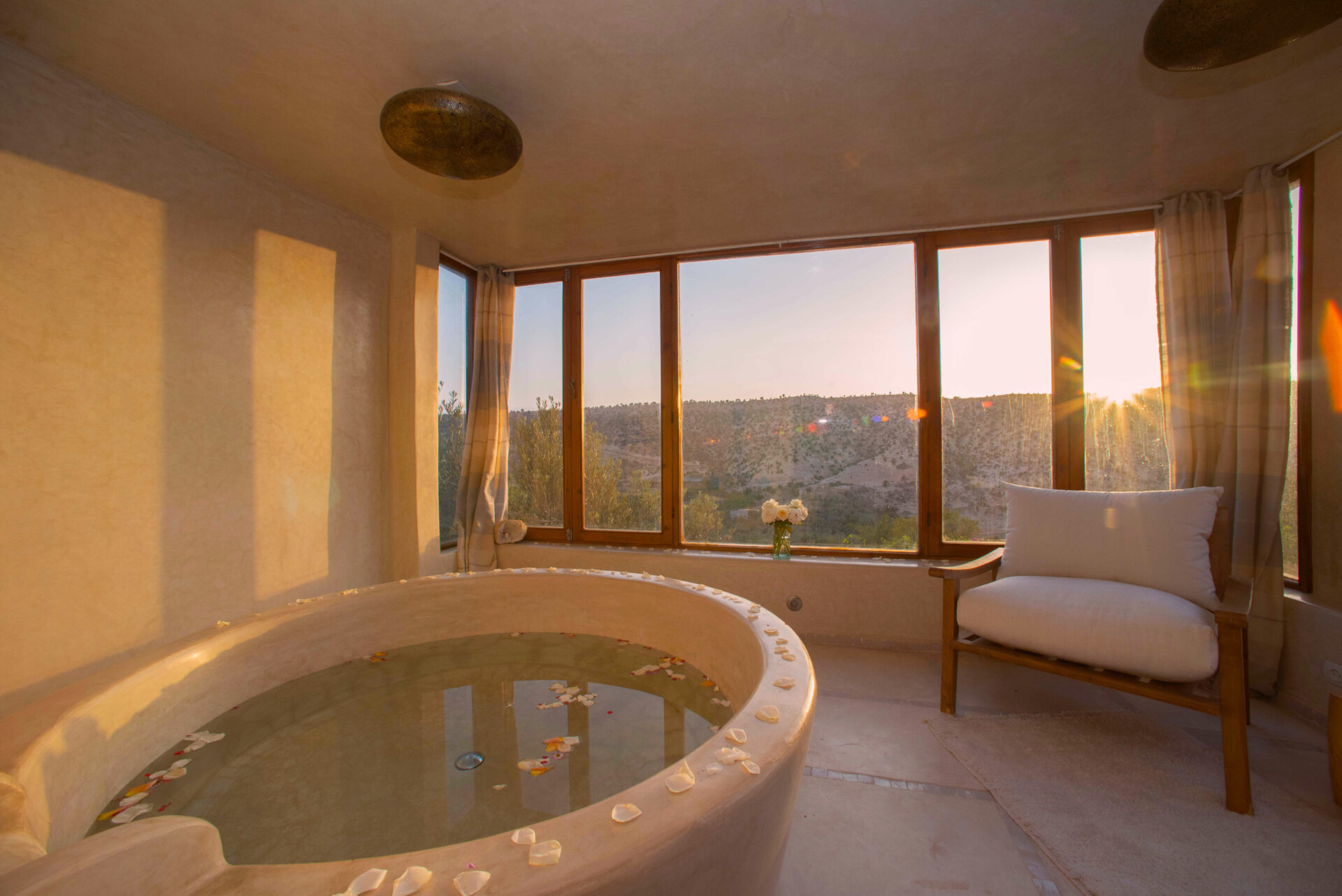
Moroccan hammams—traditional public baths—offer more than cleansing rituals; they serve as cultural touchstones where history, community, and sensory indulgence converge. Visitors often assume a hammam is merely a steam room, yet each venue reflects distinct regional practices, gender dynamics, and social hierarchies that explain their enduring allure. Below are five representative hammam experiences that illustrate why these spaces continue to captivate travelers seeking authentic immersion in Moroccan life.
1. Hammam Moulay Youssef – Fez
Located in the heart of the historic Medina, Hammam Moulay Youssef is a prime example of a centuries‑old communal bath that still operates under the stewardship of a single family. The stone‑covered floors and vaulted ceilings maintain the original 14th‑century architecture, while the brass taps and marble basins have been discreetly modernized. Visitors note the meticulous sequence of steps—pre‑wash with a black soap (savon noir), rigorous scrubbing on a textured stone slab, followed by a cooling rinse. The ritual’s repetitive motions echo ancient purification rites, reaffirming the hammam’s role as a social equalizer where locals and tourists share the same steaming sanctuary.
2. Hammam El Bacha – Marrakech
Set within a bustling souk, Hammam El Bacha blends traditional Moroccan aesthetics with a touch of luxury. Its polished copper bowls and fragrant eucalyptus steam distinguish it from the more austere baths. The experience includes an optional aromatherapy massage, a service that has become popular among travelers seeking relaxation beyond the routine cleanse. The presence of such added comforts highlights a growing trend: the commodification of heritage sites to meet modern wellness expectations while preserving core ceremonial elements.
3. Hammam Sidi Youssef – Rabat
In the capital’s coastal quarter, Hammam Sidi Youssef offers a quieter, family‑run atmosphere. The interior’s whitewashed walls and low‑hung lanterns create a serene environment conducive to contemplation. What sets this hammam apart is its emphasis on communal storytelling; elders often recount folklore while patrons soak in the warm water. This oral tradition reinforces the hammam’s cultural function as a repository of collective memory, demonstrating why the space remains a cornerstone of intergenerational connectivity.
4. Hammam de la Kasbah – Chefchaouen
Nestled in the blue‑washed lanes of Chefchaouen’s Kasbah district, this hammam is renowned for its use of locally sourced rosemary and mint leaves in the steam. The herbal infusion not only imparts a distinctive fragrance but also serves as a natural antiseptic, reflecting the region’s reliance on botanical remedies. Travelers frequently comment on the palpable link between the mountain environment and the bath’s therapeutic properties, underscoring the hammam’s adaptability to regional resources and health practices.
5. Hammam El Oued – Ouarzazate
Situated near the film studios of the “Gateway to the Desert,” Hammam El Oued caters to both film crews and tourists. Its expansive stone pool and open‑air design accommodate larger groups, a necessity for the bustling schedules of production teams. The hammam’s integration into a cinematic hub illustrates how contemporary industries co‑opt traditional venues, thereby extending the hammam’s relevance beyond purely local use. The experience often concludes with a light herbal tea, a gesture that bridges the bath’s historic purpose of cleansing with modern hospitality practices.