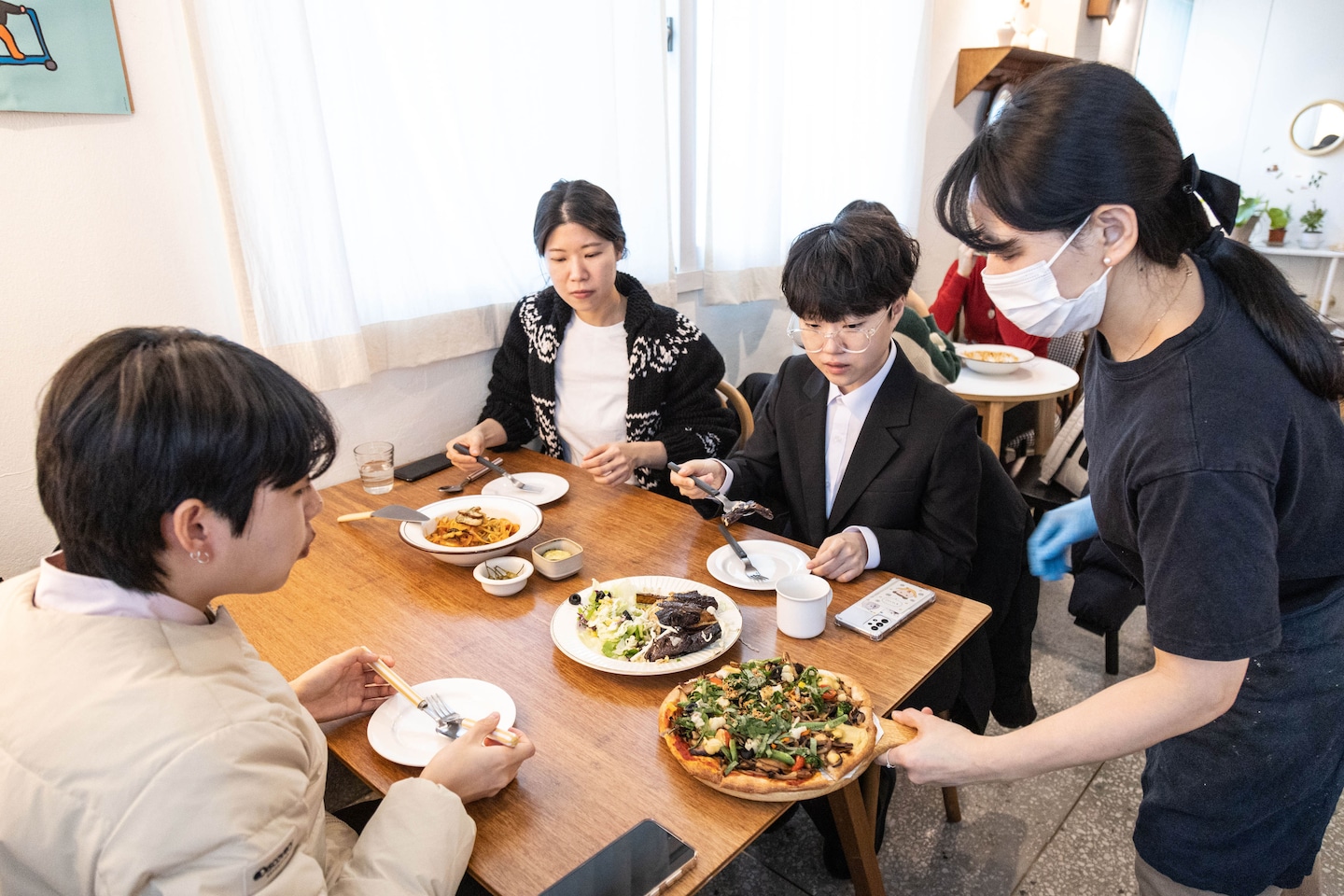
Traveling through South Korea as a vegetarian can be a rewarding culinary adventure—but it also comes with its own set of pitfalls. Ever wondered why some plant‑based travelers return home frustrated despite the country’s growing vegan scene? Below is a practical guide that pinpoints common missteps and offers a clear challenge: can you navigate Seoul’s food landscape using only menu symbols and no English translations?
1. Assuming All “Banchan” Are Vegetarian
Many visitors assume that the array of side dishes (banchan) served with meals are automatically meat‑free. In reality, several of the most popular banchan—such as myeongnan jeon (spicy beef rolls) or kimchi made with fish sauce—contain animal products. Always ask the server or check the ingredients list before loading your plate.
2. Relying Solely on English Menus
English menus are limited to major tourist districts and upscale restaurants. Outside these zones, menus are typically in Hangul, and translation apps can miss crucial details like “anchovy broth” or “beef stock.” Carry a pocket phrasebook or a list of Korean words for common animal ingredients (e.g., gogi for meat, yuk for beef, galbi for ribs) to avoid accidental consumption.
3. Overlooking Hidden Animal‑Based Seasonings
Even dishes that appear to be plant‑based can contain hidden animal derivatives, such as fish sauce (eojang), anchovy broth (myeolchi yuksu), or beef stock used in soups and stir‑fries. When ordering, explicitly request “no fish sauce” or “vegetarian broth” to ensure the kitchen adjusts the seasoning.
4. Skipping the “Vegan” Labels on Street Food
Street vendors rarely label their offerings, yet many stall owners are happy to modify recipes on the spot. Asking “채식 가능해요?” (Can you make this vegetarian?) often yields a tofu or vegetable substitution. Don’t assume a dish like tteokbokki is meat‑free; it commonly contains fish cake unless you ask for a vegan version.
5. Ignoring Regional Specialty Variations
Korean cuisine varies significantly by region, and what’s standard in Seoul may differ in Busan or Jeonju. For instance, Busan’s famed milmyeon (wheat noodles) is typically served in a broth made with beef bone, while Jeonju’s bibimbap often includes raw egg. Research regional dishes ahead of time to anticipate potential animal‑based components.
6. Assuming “Soy” Equals “Vegan”
Many Korean dishes incorporate soy products such as soy sauce (ganjang) or fermented soybean paste (doenjang). While soy itself is plant‑based, some commercial sauces are brewed with fish broth for depth of flavor. Look for “pure soy sauce” or request a “no fish” version to stay fully vegetarian.
7. Forgetting to Check Hotel Breakfast Buffets
Most Korean hotels offer extensive breakfast spreads that include pork belly, grilled fish, and egg dishes. Even the “fruit” section may hide kimchi or seaweed side dishes that contain fish sauce. Scan the buffet carefully, and if needed, ask staff for a separate vegetarian plate.
8. Not Using Dedicated Vegetarian Apps
Relying on general travel apps can lead you to restaurants that are “vegetarian‑friendly” but not truly meat‑free. Specialized platforms such as “HappyCow” or “Vegan Korea” provide up‑to‑date user reviews, menu photos, and notes on hidden animal ingredients, making them indispensable tools for a seamless experience.
9. Overlooking Alcoholic Beverages Containing Animal Products
Traditional Korean drinks like soju and makgeolli are typically vegetarian, but some flavored versions include dairy or honey, and certain craft brews are clarified with fish bladder (ising). Read the label or ask the bartender if the drink is truly plant‑based before raising a glass.
10. Assuming “Korean BBQ” Is Off‑Limits Entirely
While the classic Korean BBQ experience centers on meat, many restaurants now offer grilled tofu, mushrooms, and plant‑based patties. However, the accompanying dipping sauces often contain anchovy or shrimp paste. Request “no seafood sauce” and bring your own condiment if necessary. Embracing the grill’s atmosphere while customizing the menu can turn a perceived obstacle into a memorable dining adventure.