In an era defined by digital connectivity and geographical flexibility, remote work has surged as a powerful paradigm shifting traditional employment landscapes. Both freelancers and employees now seek opportunities to work across borders, exploring destinations that not only offer cultural richness but also facilitate legal and logistical ease through specialized remote work visas. These visas cater distinctly to the nuances of freelancing and traditional employment, carving pathways for professionals seeking to meld work with travel. Understanding what qualifies for these visas, alongside the subtle distinctions between freelancing and employee status, is crucial for anyone aiming to capitalize on this emerging trend. This article dives deeply into five notable remote work visa programs, explicating their qualifications, benefits, and implications for freelancers versus employees.
Understanding Remote Work Visas: Differentiating Freelancers and Employees
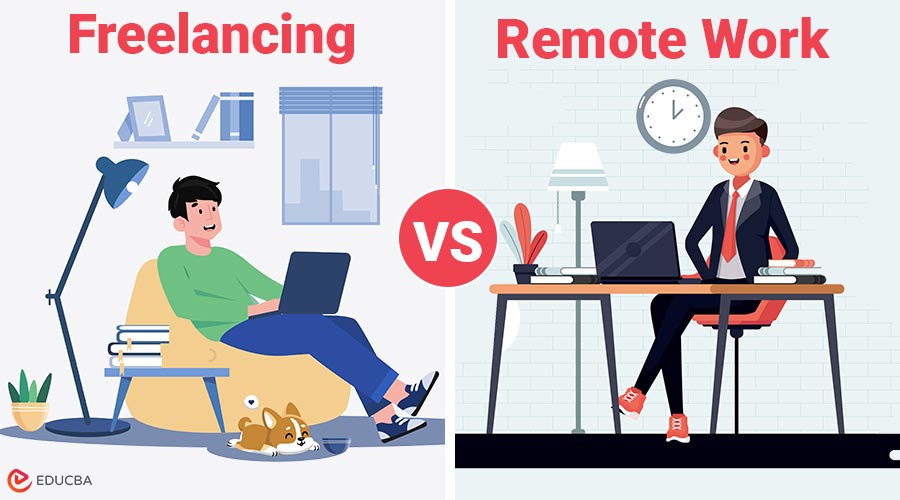
Remote work visas, also known as digital nomad visas, are official permits allowing foreign nationals to reside and work legally in a host country without being employed by a local entity. However, these visas differ significantly based on whether the applicant is a freelancer or a remote employee of a foreign or multinational company. Freelancers typically operate as independent contractors, often juggling multiple clients and managing their own business operations. Employees, by contrast, usually have a single employer located outside the host country, maintaining a traditional organizational structure even when working remotely.
The criteria for remote work visas reflect these distinctions. Approval processes take into account income stability, tax implications, insurance requirements, and sometimes the nature of the remote work itself. Moreover, some countries impose minimum income thresholds to ensure visa holders can sustain themselves without burdening local welfare systems. Both freelancers and employees must present evidence of their remote work status, but freelancers often need to provide more elaborate proof of business viability and client contracts. These nuances form the framework for eligibility across diverse jurisdictions.
Portugal’s D7 Visa: A Haven for Freelancers and Passive Income Earners
Portugal’s D7 visa is renowned for its appeal to freelancers and those with passive income sources. Although it is not expressly branded as a “remote work visa,” the D7 caters impressively to digital nomads who demonstrate stable and sufficient income through freelancing activities or investments. Applicants must prove sustainability, usually via documented income streams from overseas contracts or rental properties.
Unlike employee-centric visas, the D7 does not require a local employment offer. Freelancers will find this particularly advantageous, as it grants latitude to operate remotely without local sponsorship. However, applicants must submit comprehensive paperwork verifying regular income and health insurance coverage. Upon approval, the visa allows residency with pathways to permanent residence and eventual citizenship. The cultural vibrancy and relatively low cost of living make Portugal a compelling destination for independent remote workers seeking both professional and lifestyle enrichment.
Estonia’s Digital Nomad Visa: Bridging Freelancers and Remote Employees
Estonia, a pioneer in digital governance, established its Digital Nomad Visa to attract professionals who can execute their work wherever there is a stable internet connection. It uniquely accommodates both freelancers and remote employees, provided that applicants demonstrate a minimum monthly income—typically around €3,504 or equivalent—that reflects a consistent and legal revenue stream.
The visa application emphasizes the applicant’s capacity to work independently of the local labor market, thereby ensuring no direct competition with local employment opportunities. Freelancers must present contracts or documentation outlining current freelance engagements, while employees need employment contracts confirming their permanent work status with a non-Estonian company. This inclusive approach leverages Estonia’s advanced digital infrastructure, appealing to a broad spectrum of remote workers who crave seamless administrative and technological integration.
Barbados Welcome Stamp: Exclusivity for Remote Employees and Entrepreneurs
Barbados introduced the Welcome Stamp visa as a 12-month residency permit catering predominantly to remote employees and entrepreneurs who generate income outside of Barbados. This program is particularly alluring to full-time remote employees with a verified salary and freelancers who typically maintain entrepreneurial entities or consistent client work.
The visa’s eligibility emphasizes stringent income requirements—usually a minimum annual income of $50,000 USD—and mandates valid travel and health insurance. Applicants must also demonstrate the ability to work remotely across multiple time zones. Interestingly, the Barbados Welcome Stamp encourages long-term visa holders to engage with the local economy minimally, without necessitating full-time employment or tax residency, positioning Barbados as a tax-efficient and luxury destination for remote professionals.
Germany’s Freelancer Visa (Freiberufler): Tailored for Self-Employed Creatives and Specialists
Germany’s Freelancer Visa, often known in German as the “Freiberufler” visa, is a specialized permit designed for self-employed professionals such as writers, artists, consultants, and IT experts. This visa is exclusively oriented towards freelancers rather than traditional employees and requires a meticulous demonstration of professional qualifications, viable business plans, and evidence of sufficient financial resources.
Applicants must submit a portfolio of past work, letters of intent from prospective clients, and proof of health insurance. Unlike many remote work visas focused on digital nomads, Germany’s program necessitates a degree of integration with the local market, though full-time physical presence for work is not always mandatory. The visa is renewable and can lead to permanent residency. Its rigorous application process reflects Germany’s regulatory approach toward protecting the local labor market while fostering specialized freelance sectors.
United Arab Emirates’ Remote Work Visa: A Corporate and Freelance Hybrid Model
The UAE’s Remote Work Visa exemplifies a flexible and innovative approach to remote work legislation. This visa addresses the needs of both freelancers and remote employees but also caters to startups and small businesses aiming for a regional hub. Applicants must prove stable employment with a company based outside the UAE or provide proof of freelance income and business registration.
The visa requires health insurance, proof of employment or self-employment, and a minimum income benchmark, typically around $5,000 per month. The UAE’s cosmopolitan environment, zero personal income tax, and world-class infrastructure make it a magnet for remote professionals seeking to blend business ambitions with high-quality living. Moreover, the visa permits residents to sponsor family members, creating opportunities for extended stays and deeper cultural immersion.
Conclusion: Navigating Remote Work Visas for Diverse Professional Profiles
Securing a remote work visa is a complex but rewarding endeavor that hinges on understanding the nuances between freelancing and employee statuses. Each visa discussed herein reflects distinct philosophies regarding income validation, work autonomy, and local labor market impact. Freelancers often face the challenge of proving sustainable business operations and diverse income streams, whereas employees must validate formal employment relationships outside the host nation.
Choosing the right visa depends on numerous factors including income level, professional field, desired length of stay, and integration goals. These visas open unparalleled mobility opportunities, empowering modern workers to transcend traditional office confines and immerse themselves in global cultures while maintaining their livelihoods. Mastering the qualifications and application intricacies facilitates smoother transitions to these coveted digital nomad lifestyles, redefining the future of work.