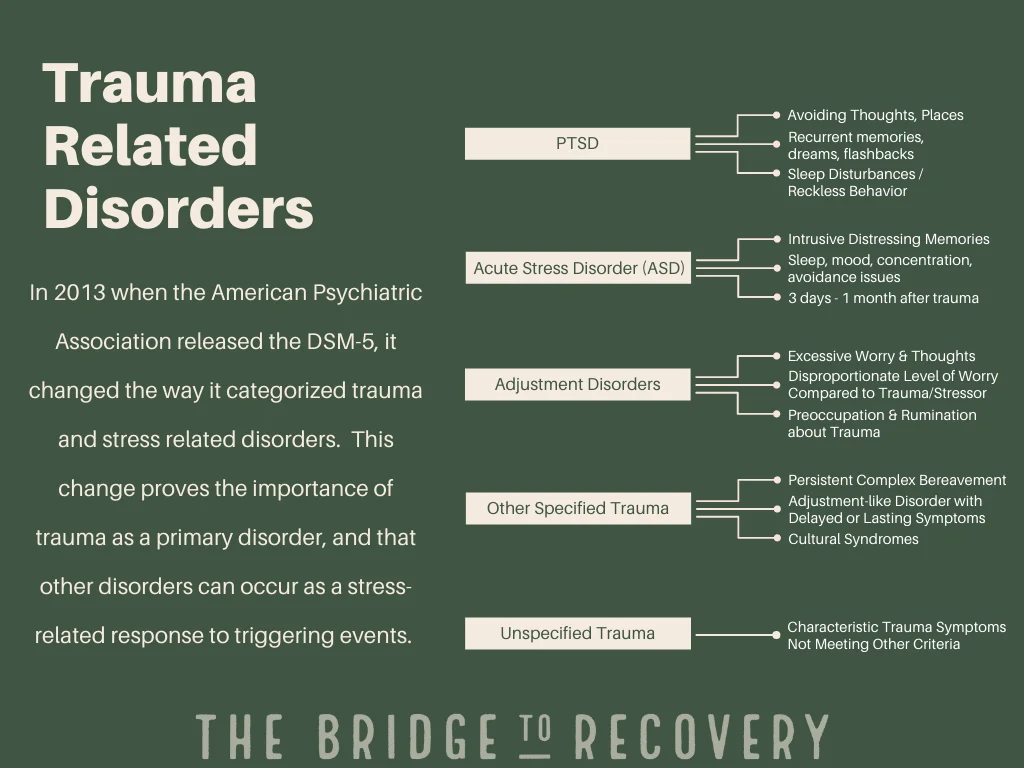
Mental health retreats dedicated to Post-Traumatic Stress Disorder (PTSD) and trauma recovery have become increasingly sophisticated, offering clinically guided programs that merge cutting-edge therapeutic techniques with holistic wellness practices. For solo travelers seeking profound healing journeys, these sanctuaries present a blend of evidence-based treatments and immersive experiences designed to catalyze personal transformation. This article delves into seven premier mental health retreats, each uniquely tailored to foster recovery from PTSD and trauma through diverse content and methodologies.
1. The Haven: Nature’s Embrace for Therapeutic Release
Located amidst serene landscapes, The Haven employs nature as a therapeutic ally. Participants engage in ecotherapy, harnessing the restorative power of natural settings to alleviate trauma symptoms. Day-to-day activities include guided wilderness treks, 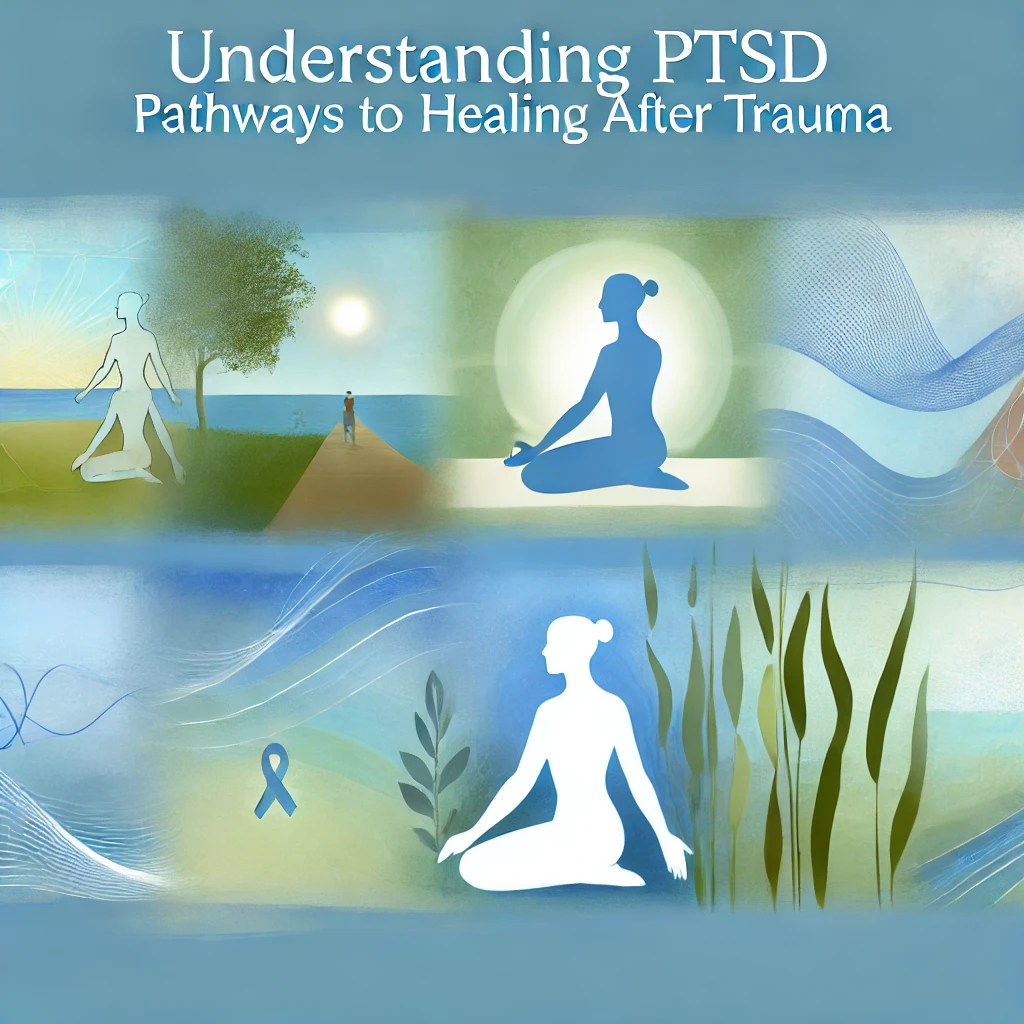 mindfulness practices, and creative art therapy sessions conducted outdoors. Clinically guided cognitive-behavioral therapy (CBT) workshops are interspersed with moments of solitude, encouraging introspective reflection.
2. Sanctuary of Sound: Music Therapy for Healing Frequencies
The Sanctuary of Sound pioneers music-based interventions to address PTSD. Here, sound healing sessions utilize Tibetan bowls, gongs, and vocal toning to induce deep states of relaxation. Participants learn  techniques like yoga nidra synchronized with therapeutic melodies. The retreat’s clinical team integrates eye movement desensitization and reprocessing (EMDR), complemented by personalized music playlists that facilitate emotional release.
3. Mindful Mirrors: Mirror Workshops for Self-Integration
Mindful Mirrors introduces participants to mirror work, a technique fostering self-awareness and integration of fragmented experiences. Through guided exercises, individuals confront their reflections as embodiments of past trauma, engaging in dialogues that promote acceptance and resilience. Coupled with psychotherapy sessions anchored in dual-channel processing, this retreat emphasizes experiential learning to dismantle dissociative barriers.
4. Quantum Leap: Neurofeedback for Brain Resilience
At the forefront of technological innovation, Quantum Leap utilizes neurofeedback to recalibrate brainwave patterns associated with trauma. Participants undergo  electroencephalography (EEG) sessions, enabling real-time monitoring of neural activity. Clinicians guide individuals through mentalization-based therapy (MBT), enhancing self-regulation skills and fostering a resilient neurological framework to confront stressors.
5. Zenith of Resilience: Adventure Therapy for Empowerment
Zenith of Resilience harnesses the power of adventure therapy to rebuild confidence and resilience. Activities range from rock climbing and white-water rafting to high-altitude treks, designed to challenge participants physically and psychologically. Clinical staff employ trauma-focused group therapy, providing a supportive community that normalizes experiences and celebrates achievements.
6. The Light Within: Somatic Experiencing for Bodily Wisdom
The Light Within specializes in somatic experiencing, a body-centered approach to trauma recovery. Participants engage in gentle movement exercises that encourage the release of stored tension, facilitated by clinicians trained in perceiving subtle physiological cues. This retreat integrates breathwork and grounding techniques, promoting a somatic awareness that bridges the mind-body disconnect inherent in PTSD.
7. Resonance Retreat: Group Cohesiveness for Collective Healing
Resonance Retreat emphasizes group dynamics as a catalyst for collective healing. Structured co-creation workshops enable participants to collaboratively design their therapeutic journey, fostering interdependence and shared resilience. Clinical interventions include psychodrama sessions, where individuals enact scenarios reflecting traumatic experiences, thereby externalizing internal struggles. The retreat culminates in a communal celebration, reinforcing bonds forged through mutual support.
Conclusion: A Multifaceted Approach to PTSD Recovery
The diverse offerings of these seven mental health retreats underscore the importance of personalized approaches in PTSD and trauma recovery. From nature immersion and music therapy to neurofeedback and adventure activities, each sanctuary provides a unique pathway toward healing. For solo travelers embarking on this transformative journey, these retreats promise not only clinical efficacy but also profound experiential learning that resonates long after the stay concludes.