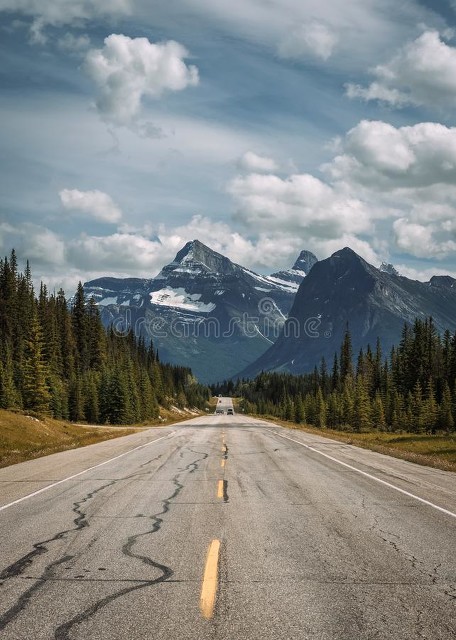
There’s a quiet revolution happening in the world of travel—one that’s reshaping the way retirees explore the globe. No longer content with packaged tours or cruise ship buffets, a growing number of over-60s are embracing the freedom of solo travel, seeking not just destinations, but transformation. They’re not just checking off landmarks; they’re collecting stories, forging connections, and redefining what it means to wander in your golden years. But why now? Why this sudden surge in solo travel among retirees? The answer lies in a potent mix of demographic shifts, digital empowerment, and a deep-seated human desire to prove that adventure doesn’t retire.
The Loneliness Epidemic and the Rise of the Wanderer
Retirement, for many, arrives with a paradox: the gift of time, shadowed by the loss of routine and community. The post-career void can feel like a slow unraveling—children grown, colleagues scattered, and the familiar rhythms of work replaced by empty afternoons. Solo travel, in this context, isn’t just about seeing new places; it’s about stitching together a new identity. Communities like Solo Traveler World and The Solo Female Traveler Network have become lifelines, offering more than itinerary tips—they provide camaraderie. Here, retirees swap stories of missed flights and serendipitous encounters, turning isolation into a shared adventure. The deeper fascination? The realization that solitude, when chosen, can be the most exhilarating form of togetherness.

From Cruise Ships to Backpacks: The Demographic Shift
The image of retirees in shuffleboard tournaments or bingo halls is fading—fast. Today’s over-60 crowd is healthier, wealthier, and far more digitally savvy than previous generations. They’re swapping all-inclusive resorts for hostels with private rooms, guided tours for self-planned treks, and guided tours for self-planned treks. Platforms like Road Scholar and Intrepid Travel’s solo-friendly tours cater to this new breed of explorer, blending education with exploration. The deeper pull? A rebellion against the infantilization of aging. Retirees aren’t just tourists; they’re pilgrims, chasing the same thrill of discovery that once drove them in their 20s—but with the wisdom of experience as their compass.

The Digital Nomad’s Silver Surfer: How Technology Enables Freedom
If the 20th century was defined by the road trip, the 21st belongs to the digital nomad—and retirees are its fastest-growing cohort. Tools like Meetup, Facebook Groups, and Couchsurfing have dismantled the barriers of geography, allowing retirees to find their tribe anywhere from a Lisbon hostel to a Kyoto ryokan. Apps like SoloTraveller and TourRadar curate experiences tailored to solo seniors, from group hikes in Patagonia to cooking classes in Tuscany. The deeper allure? The illusion of control. In a world where algorithms dictate so much of life, solo travel offers the rare chance to dictate your own narrative—one sunset, one train ride, one chance encounter at a time.
The Health Paradox: Why Travel Might Be the Best Medicine
Doctors prescribe walking. Therapists recommend new hobbies. But what if the most potent elixir for aging isn’t a pill or a hobby, but a boarding pass? Studies show that solo travel—especially in later years—can reduce stress, boost cognitive function, and even extend lifespan. Communities like Sage Traveling and Road Scholar aren’t just selling trips; they’re selling longevity. The deeper magic? The way travel forces the brain to rewire itself. Navigating a foreign subway, ordering food in a language you don’t speak, getting lost in a medina—these aren’t just activities; they’re neuroplasticity in action. Retirees aren’t just seeing the world; they’re keeping their minds alive.

The Myth of Safety: Why Retirees Are Choosing Risk Over Routine
There’s a perverse irony in modern life: we’ve never been safer, yet we’ve never felt more fragile. Retirees, in particular, are bombarded with warnings—about scams, about health scares, about the dangers of the unknown. And yet, they’re flocking to solo travel in record numbers. Why? Because safety isn’t the absence of risk; it’s the courage to face it. Communities like Solo Travel Society and Wanderlust Solo Travel thrive on this paradox, offering not just safety tips, but a philosophy: that the most meaningful experiences often lie just beyond the comfort zone. The deeper fascination? The realization that fear, when confronted, becomes fuel.
The Grandchildren Effect: How Legacy Shapes the Journey
Retirees aren’t just traveling for themselves anymore. They’re traveling for the stories they’ll tell their grandchildren—the time they got lost in Marrakech, the night they danced with strangers in Buenos Aires, the morning they woke up in a treehouse in Costa Rica. Platforms like G Adventures’ solo trips and Intrepid’s small-group tours cater to this multigenerational hunger for connection. The deeper pull? The desire to prove that life doesn’t end at 60; it evolves. These aren’t just vacations; they’re legacies in the making.
The Unspoken Truth: Solo Travel as a Form of Protest
Beneath the Instagram feeds and itinerary spreadsheets, there’s a quieter rebellion at play. Retirees are rejecting the narrative that aging means slowing down, that wisdom means settling. They’re protesting the idea that the best years are behind them. Solo travel, in this light, isn’t just a hobby—it’s an act of defiance. Communities like The Solo Traveler Network and Sage Traveling aren’t just sharing tips; they’re building a movement. The deeper fascination? The way travel becomes a metaphor for life itself—unpredictable, exhilarating, and ultimately, yours to shape.