White‑water rafting offers an exhilarating way to experience rivers, scenery, and teamwork without requiring advanced skills. For beginners, the right trip balances excitement with safety, providing manageable rapids, professional guides, and clear access points. Below is a curated list of beginner‑friendly rafting adventures across the United States. Each entry outlines the river’s classification, typical trip length, seasonal considerations, and what participants can expect in terms of scenery, wildlife, and logistical support.
1. Ocoee River – Tennessee
The Ocoee River, famous for hosting the 1996 Olympic slalom events, offers a Class III stretch called “The Ocoee Classic” that runs for about 12 miles. Guided tours last between 2.5 and 4 hours, making it an ideal half‑day excursion for newcomers. The river’s clear, cold water flows through a canyon lined with hardwood forest, and occasional sightings of river otters add a natural element. All equipment, including life jackets and helmets, is provided, and guides emphasize basic paddle strokes and rescue techniques.
2. Rogue River – Oregon
Western Oregon’s Rogue River presents a tranquil, scenic entry point at Gold Hill, where a Class II–III section called “The Rogue Lower” runs for 20 miles over a full day. The river meanders through old‑growth Douglas fir and offers glimpses of bald eagles and osprey. Beginners benefit from a gentle learning curve, with guides stopping at calm eddies to demonstrate steering, braking, and basic river safety. Lunch is typically provided on a riverside picnic platform.
3. Arkansas River – Colorado
In the Arkansas River’s “Jersey Junction” stretch near Buena Vista, beginners encounter a series of Class II–III rapids over a 9‑mile loop. The high‑altitude setting provides crisp mountain air and panoramic views of the Sawatch Range. Guided trips last 4 hours and incorporate an introductory safety briefing, hands‑on paddle instruction, and a brief shoreline hike to a historic mining site. Wildlife includes mule deer and occasional mountain goats on nearby cliffs.
4. Nantahala River – North Carolina
The Nantahala River’s “Canyon Run” in western North Carolina offers a 6‑mile, Class II–III experience that is well‑suited for first‑time rafters. The trip navigates a limestone canyon with towering cliffs and occasional waterfalls. Guides prioritize river etiquette, teaching participants how to read currents and perform basic rescues. The temperate climate in late spring and early fall provides comfortable paddling conditions, and the area is known for sighting river turtles and kingfishers.
5. Salmon River – Idaho
Known as “The River of No Return,” Idaho’s Salmon River includes a beginner‑friendly segment called “Upper Salmon,” a 10‑mile Class II stretch near the town of Riggins. This section offers calm rapids interspersed with gentle waves, making it ideal for learning paddle coordination. The surrounding wilderness includes expansive conifer forests and towering basalt cliffs. Guided trips last 5 hours and often conclude with a shore‑side barbecue, where participants can sample local trout.
6. Delaware River – Pennsylvania/New Jersey
The Delaware River’s “Delaware Water Gap” offers a well‑known Class II–III route of approximately 12 miles, running between the towns of Stroudsburg and Milford. The river flows through the scenic Delaware Water Gap National Recreation Area, providing views of sandstone cliffs and dense hardwoods. Guided tours, typically 3 hours long, emphasize paddling fundamentals and include a stop at a historic covered bridge for photo opportunities. Wildlife such as beavers and riverine turtles are frequently observed.
7. American River – California
Near Sacramento, the American River’s “Folsom Lake” outlet presents a 7‑mile, Class II–III stretch suitable for beginners. The route passes through riparian zones dotted with willows and cottonwoods, offering chances to spot great blue herons and river otters. Guided trips last about 3 hours, with a focus on basic navigation, teamwork, and safety gear usage. The mild climate of late summer makes this a popular choice for family outings.
8. Chattooga River – South Carolina/Georgia
Designated a National Wild and Scenic River, the Chattooga offers a gentle Class II section known as “Upper Chattooga” that spans 8 miles. The river cuts through rugged Appalachian terrain, providing dramatic vistas of sandstone cliffs and forested valleys. Beginner trips are typically 4 hours, featuring a comprehensive safety briefing, paddle drills, and a short hike to a waterfall vista. The area is a habitat for black bears and wild turkey, though sightings are rare during rafting.
9. Gallatin River – Montana
In southwestern Montana, the Gallatin River’s “Gallatin Canyon” provides a 10‑mile, Class II–III experience that combines calm stretches with occasional playful rapids. The surrounding canyon is framed by the Bridger Range, offering striking mountain backdrops. Guided trips last roughly 4 hours, with an emphasis on teaching beginners how to read river signs and execute basic turns. Wildlife such as elk and moose may be seen along the banks, especially during early morning departures.
10. Snake River – Wyoming/Idaho
One of the most iconic rivers in the western United States, the Snake River’s “Snake Canyon” section in Jackson Hole features a 9‑mile, Class II–III run. The canyon walls rise up to 300 feet, creating a dramatic setting for novice rafters. Trips are typically 5 hours long, including a thorough equipment check, paddle instruction, and a mid‑river break for refreshments. Bald eagles and ptarmigan are common aerial sightings during the summer months.
11. Green River – Utah
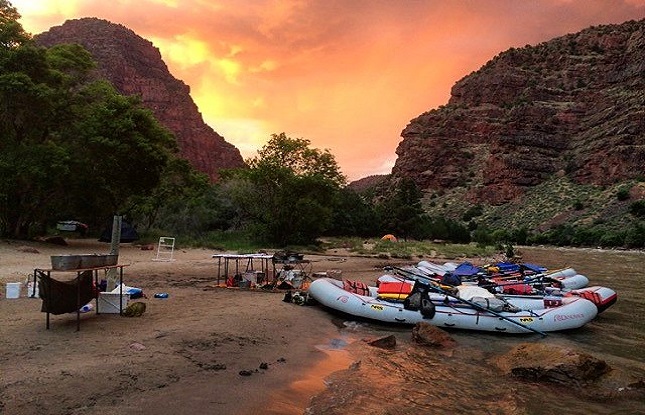
The Green River’s “Lower Canyon” near Moab offers a 6‑mile, Class II–III stretch that winds through red rock canyons and ancient petroglyph sites. Guided trips last about 3 hours and provide a gentle introduction to paddle control, with the added benefit of learning about the region’s cultural history. The arid climate ensures warm water temperatures, and hikers may spot desert bighorn sheep on the canyon rims.
12. Susquehanna River – Pennsylvania
In central Pennsylvania, the Susquehanna River’s “Upper Tier” segment offers an easy‑going Class II run of roughly 11 miles. The river flows through rolling farmland and wooded floodplains, presenting a calm environment for first‑time rafters. Guided excursions run 4 hours and incorporate basic safety drills, paddle handling, and a stop at a historic mill site. Seasonal bird migration brings a variety of waterfowl, including Canada geese and swans, which enhance the scenic experience.