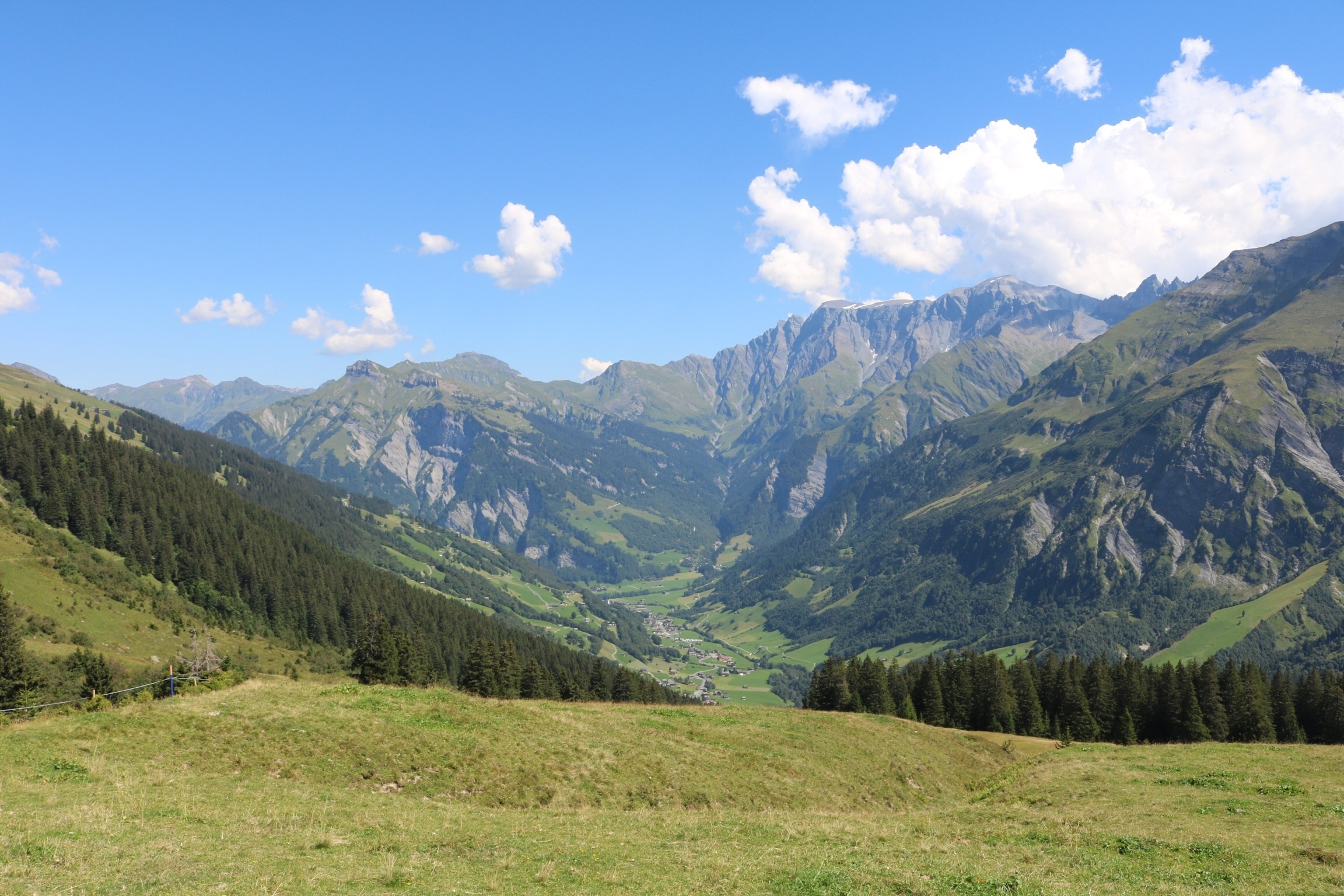
In an age where haste often dictates our journeys, the growing allure of eco-friendly slow travel presents an invitation to recalibrate our perceptions. These destinations are not merely places to check off a list but immersive environments fostering deeper connections — to landscapes, cultures, and oneself. Embracing extended stays at these eco-conscious havens promises more than relaxation; it translates into a meaningful shift in how we engage with the world, fostering sustainability and mindfulness. Here, the pace lingers, the environment flourishes, and travelers find themselves part of a larger, more thoughtful narrative.
1. Glarus Sued, Switzerland: Alpine Tranquility Meets Sustainable Innovation
Nestled amidst the Swiss Alps, Glarus Sued unfolds a canvas of breathtaking mountain vistas and verdant valleys. This lesser-known region embodies sustainable development through small-scale agriculture and renewable energy initiatives. Visitors who linger here become participants in a community deeply intertwined with its environmental stewardship. Hiking trails weave through crystalline waterfalls, while local farms offer organic produce harvested with care. A long stay unfolds opportunities to partake in alpine cheese-making workshops or to explore eco-lodges that blend effortlessly into nature’s embrace.

2. Valparaíso, Chile: Coastal Charm with a Conscience
Valparaíso’s labyrinthine streets and vibrant murals provide a colorful backdrop to a city embracing sustainable urban renewal. Its eco-conscious ethos manifests in community-led recycling programs, urban gardening projects, and a thriving local food scene rooted in organic markets. The city’s maritime heritage invites slow travelers to explore the Pacific coast’s quieter coves via kayak or bicycle, reducing ecological footprints while savoring panoramic ocean views. Extended stays here encourage visitors to engage with local artists and craftsmen, fostering cultural exchange grounded in sustainability.
3. Ubud, Bali: Sacred Rice Terraces and Mindful Living
Ubud has long been a sanctuary for those seeking serenity, yet its commitment to eco-conscious tourism has elevated it to a paradigm of slow travel. Surrounded by the island’s iconic rice paddies, the region supports intricate subak irrigation systems that epitomize harmony between humans and nature. Long-term visitors often find themselves embraced by yoga retreats and permaculture farms where each day unfurls with intention. This deliberate pace cultivates an understanding of Balinese spirituality intertwined with tangible conservation practices, transforming travel into a meditative journey.
4. Tulum, Mexico: Ecological Elegance on the Riviera Maya
Beyond its famed beaches and cenotes, Tulum is emerging as a beacon for ecological sustainability. The town’s slow travel ethos revolves around eco-resorts powered by solar energy, zero-waste restaurants, and community-driven conservation efforts aimed at protecting fragile mangrove ecosystems. An extended stay offers more than just rest; it presents the opportunity to delve into Mayan cultural workshops, volunteer for turtle preservation, or explore the Sian Ka’an Biosphere Reserve with a minimal environmental footprint. Here, leisure and responsibility meld seamlessly.
5. Isle of Eigg, Scotland: Renewable Energy and Remote Beauty
Remote yet remarkably self-sufficient, the Isle of Eigg is a microcosm of renewable innovation. Powered almost entirely by wind, solar, and hydroelectric energy, this small island in the Inner Hebrides embraces a communal lifestyle that prioritizes sustainability. Its rugged coastlines and verdant moorlands beg to be explored at a gentler pace. Visitors opting for longer stays find themselves welcomed into community events, local craftsmanship workshops, and ecological initiatives designed to preserve Eigg’s natural heritage. The island exemplifies how remoteness and modern sustainability can coexist.
6. Luang Prabang, Laos: Timeless Traditions and Ecotourism
Luang Prabang captivates with its blend of Buddhist temples, colonial architecture, and verdant mountain surroundings. This UNESCO World Heritage city is a forerunner in integrating cultural preservation with eco-friendly travel. Slow travelers discover opportunities to engage in volunteer programs focused on education and river conservation along the Mekong. Extended stays afford hours to meander curiously through its night markets and partake in alms-giving ceremonies, fostering a profound respect for Lao traditions and the environment alike.
7. Kangaroo Island, Australia: Biodiversity and Conservation in Harmony
Kangaroo Island stands as a sanctuary for Australia’s unique wildlife and a testament to dedicated environmental recovery efforts following devastating wildfires. The island’s eco-lodges provide immersive stays where guests can witness koalas, kangaroos, and sea lions thriving in their natural habitats. Guided slow-exploration tours focus on habitat restoration and sustainable agriculture. The tranquility here encourages contemplation and a heartfelt commitment to conservation, ensuring that every moment spent contributes to the island’s rebirth and ecological resilience.
8. Valle de Guadalupe, Mexico: Sustainable Viticulture and Gastronomy
Known as Mexico’s premier wine region, Valle de Guadalupe is transforming vintner traditions through sustainable farming techniques and artisanal production. The slow travel experience here invites oenophiles and gastronomes to savor organic wines paired with locally foraged ingredients. Extended visits encourage intimate winery tours, farm-to-table cooking classes, and explorations of the surrounding desert landscape on foot or horseback. This fusion of culinary excellence and environmental mindfulness invites a reevaluation of the sensory pleasures and ethical responsibilities of travel.