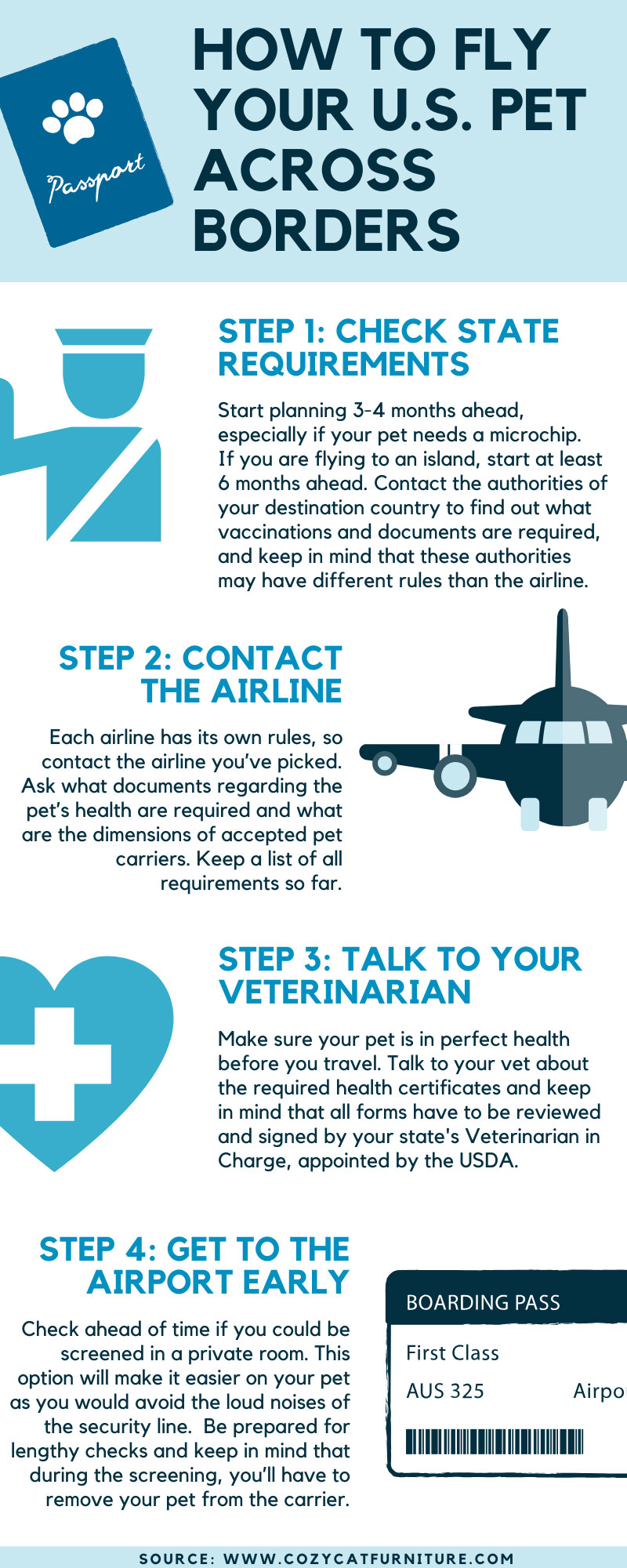
Embarking on an international journey with a furry companion is an adventure filled with excitement and anticipation. Yet, beneath the thrill of exploring new destinations lies a labyrinth of regulations designed to safeguard public health and animal welfare. Among these, pet quarantine rules stand as one of the most stringent and often misunderstood hurdles. Whether you’re relocating for work, vacationing abroad, or reuniting with family, understanding these rules can mean the difference between a seamless trip and a bureaucratic nightmare. From the meticulous microchipping protocols of Australia to the rigorous rabies titer tests mandated by Japan, each country imposes its own unique set of requirements. This guide delves into the eight most critical international pet travel quarantine rules, offering clarity for pet owners navigating this complex terrain.
The Unyielding Standards of Australia: A Quarantine Odyssey
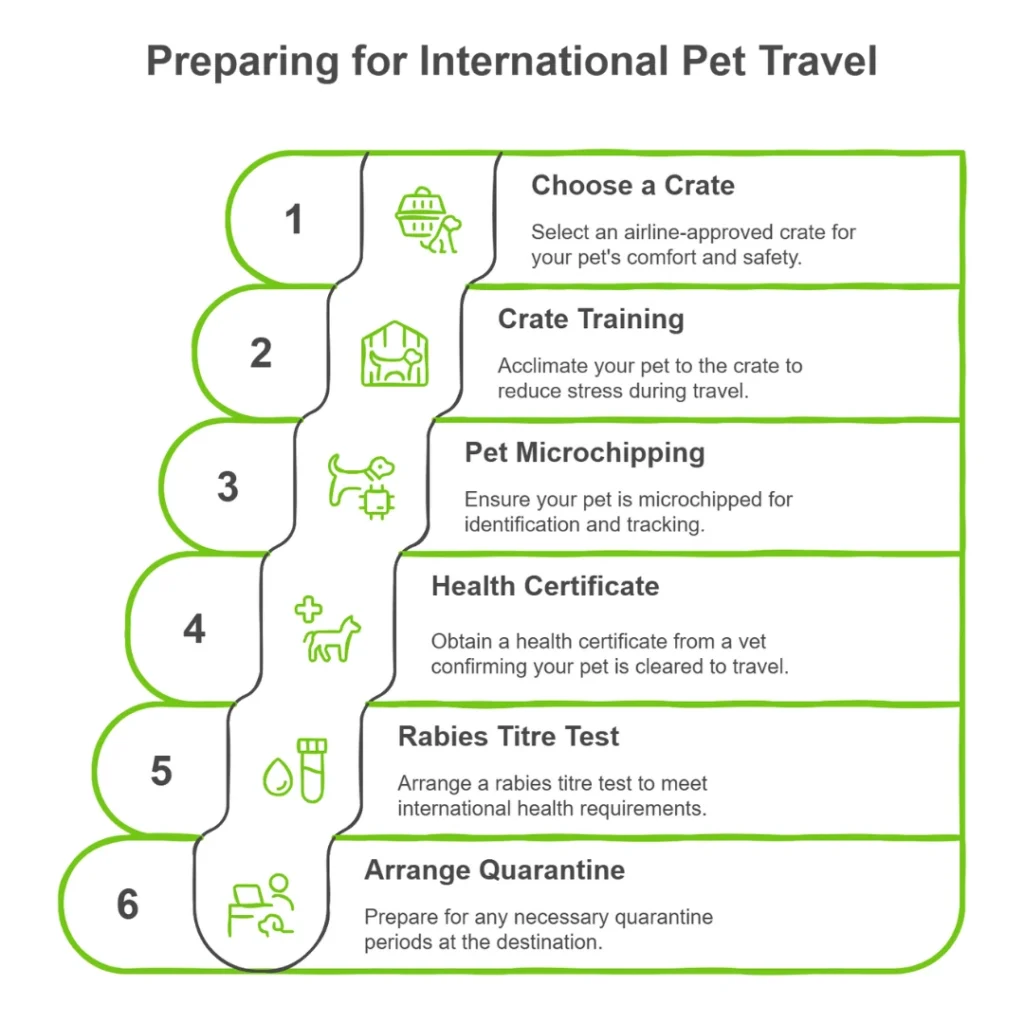
Australia is renowned for its stringent biosecurity laws, and pet travel is no exception. Dogs and cats arriving in the Land Down Under face a mandatory 10-day quarantine period at the Mickelham Post-Entry Quarantine Facility in Melbourne. This isolation isn’t merely a formality; it’s a safeguard against exotic diseases like rabies and leptospirosis. Before arrival, pets must undergo a microchipping process, followed by a rabies vaccination and a rabies antibody titer test conducted at an approved laboratory. The test results, known as the RNAT (Rabies Neutralizing Antibody Test), must show a minimum antibody level of 0.5 IU/ml. Owners must also secure an import permit and provide a detailed health certificate issued by an accredited veterinarian within 10 days of departure. The meticulous documentation and pre-travel preparations underscore Australia’s commitment to preserving its unique ecosystem.

Japan’s Rabies Titer Test: A Scientific Gauntlet
Japan’s approach to pet quarantine is equally rigorous but hinges on a different scientific pillar: the rabies titer test. Unlike countries that rely solely on vaccination records, Japan requires dogs and cats to undergo a rabies antibody titer test conducted at an approved laboratory, such as the Kansas State University Rabies Laboratory. The test must be performed at least 180 days after the rabies vaccination and no less than 30 days before entry. The results, which must show an antibody level of at least 0.5 IU/ml, are scrutinized by Japanese authorities. Upon arrival, pets are typically quarantined for 12 hours at a designated facility, though this can extend to 180 days if the titer test results are unsatisfactory. This scientific rigor reflects Japan’s status as a rabies-free country, where even the slightest risk is treated with uncompromising vigilance.
New Zealand’s Biosecurity Fortress: A Model of Precision
New Zealand’s biosecurity measures are often cited as a gold standard in pet travel regulations. The country mandates a 10-day quarantine for all imported dogs and cats, with the exception of those arriving from Australia, which has a reciprocal agreement. The process begins with microchipping, followed by a rabies vaccination and a rabies antibody titer test. Owners must also obtain an import permit and provide a health certificate issued within 48 hours of departure. Upon arrival, pets are transported to the Ministry for Primary Industries (MPI) quarantine facility in Auckland, where they undergo a thorough health inspection. The facility’s state-of-the-art infrastructure ensures that even the most stringent biosecurity protocols are met without compromising animal welfare. This meticulous approach underscores New Zealand’s dedication to protecting its pristine environment from invasive species and diseases.
The United Kingdom’s Pet Travel Scheme: A Streamlined Yet Strict Framework
The United Kingdom’s Pet Travel Scheme (PETS) offers a relatively streamlined process compared to Australia or Japan, but it is far from lenient. Dogs, cats, and ferrets entering the UK from non-EU countries must undergo a microchipping process, followed by a rabies vaccination and a rabies antibody titer test. The test must be conducted at least 30 days after the vaccination and no less than three months before entry. Upon arrival, pets must be accompanied by an animal health certificate issued by an accredited veterinarian within 10 days of travel. The UK does not impose a mandatory quarantine period for pets meeting these requirements, but failure to comply can result in a 21-day quarantine at the owner’s expense. This balance between accessibility and strictness reflects the UK’s pragmatic approach to balancing public health with the needs of pet owners.
Singapore’s High-Tech Quarantine: A Futuristic Approach
Singapore’s quarantine regulations for pets are a testament to the city-state’s reputation for cutting-edge technology and efficiency. Dogs and cats entering Singapore must undergo a microchipping process, followed by a rabies vaccination and a rabies antibody titer test. The test results must be submitted to the Agri-Food & Veterinary Authority (AVA) for approval before travel. Upon arrival, pets are typically quarantined for 30 days at the AVA’s Animal Quarantine Station, though this period can be reduced if all requirements are met. The facility is equipped with advanced monitoring systems, ensuring that pets are kept in optimal conditions during their stay. Singapore’s blend of technological innovation and strict biosecurity measures sets a benchmark for other countries to emulate.
South Africa’s Rabies-Free Zones: A Regional Nuance
South Africa’s pet travel regulations are shaped by its unique geographical and epidemiological landscape. The country is divided into rabies-free and rabies-controlled zones, each with distinct requirements. Pets entering rabies-free zones must undergo a microchipping process, followed by a rabies vaccination and a rabies antibody titer test. The test must be conducted at least 30 days after the vaccination and no less than three months before entry. In contrast, pets entering rabies-controlled zones face additional scrutiny, including a mandatory 30-day quarantine. This regional differentiation reflects South Africa’s ongoing efforts to combat rabies while facilitating safe pet travel. Owners must carefully research the specific requirements for their destination to avoid costly mistakes.
China’s Evolving Regulations: A Shifting Landscape
China’s pet travel regulations have undergone significant changes in recent years, reflecting the country’s growing emphasis on biosecurity and animal welfare. Dogs and cats entering China must undergo a microchipping process, followed by a rabies vaccination and a rabies antibody titer test. The test must be conducted at least 30 days after the vaccination and no less than three months before entry. Upon arrival, pets are typically quarantined for 30 days at a designated facility, though this period can vary depending on the port of entry. China’s evolving regulations underscore the importance of staying updated on the latest requirements, as failure to comply can result in extended quarantine periods or even denial of entry.
The United Arab Emirates’ Pet-Friendly Paradigm: A Model for the Middle East
The United Arab Emirates (UAE) has emerged as a pet-friendly destination in the Middle East, with regulations that balance biosecurity with accessibility. Dogs and cats entering the UAE must undergo a microchipping process, followed by a rabies vaccination and a rabies antibody titer test. The test must be conducted at least 30 days after the vaccination and no less than three months before entry. Upon arrival, pets are typically quarantined for 14 days at a designated facility, though this period can be reduced if all requirements are met. The UAE’s streamlined process and modern quarantine facilities make it an attractive destination for pet owners, reflecting the country’s commitment to fostering a welcoming environment for both humans and animals.